About this episode
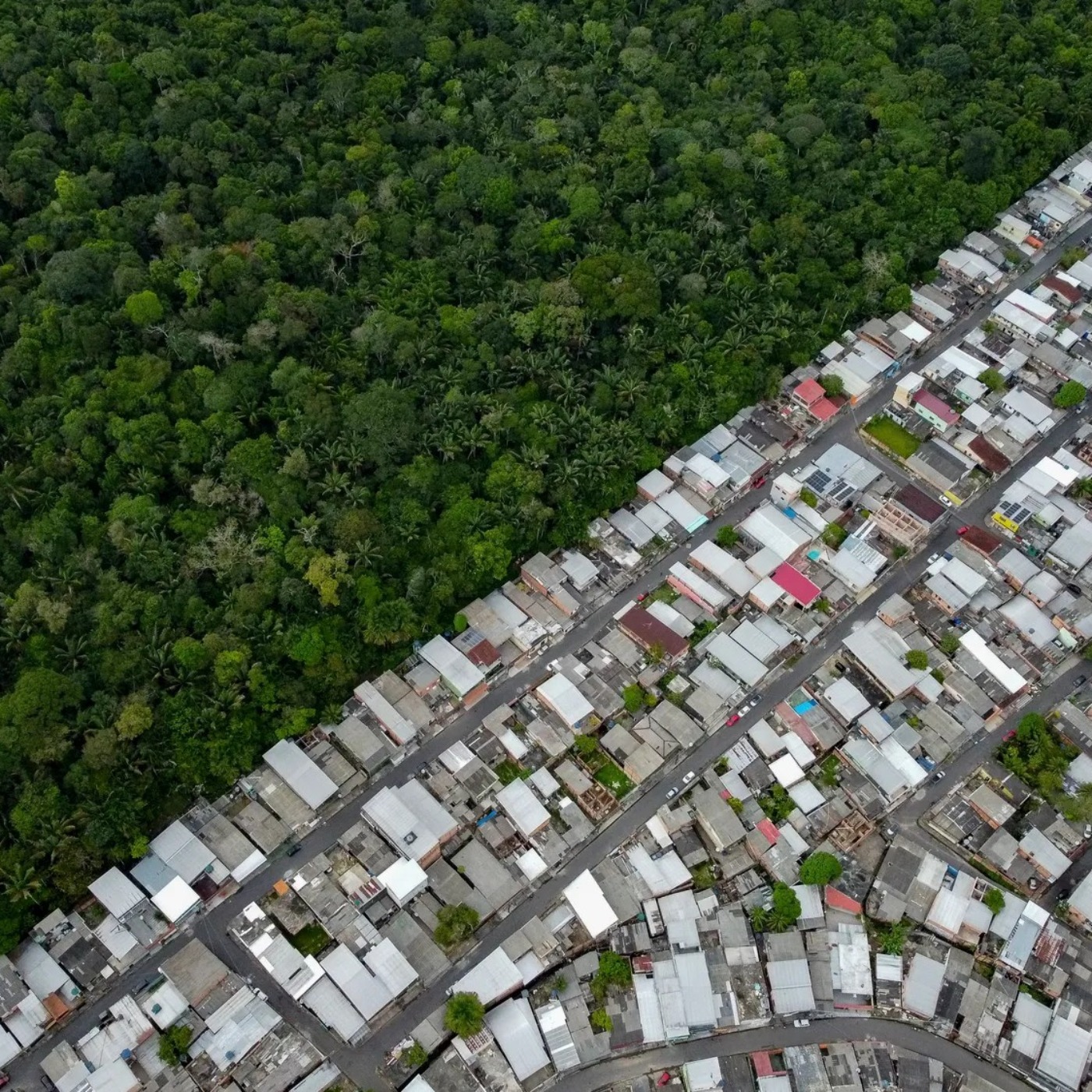
What makes a happy city? That is, what makes a city livable and responsive to humans’ physical, emotional and cultural needs? Over the last century, city planners have turned to the maintenance of green spaces within urban jungles to address these issues. In this final event for Pitt REEES’ Eurasian Environments series, the Eurasian Knot paired Maria Taylor and Roberta Mendonca De Carvalho to discuss green cities from two different contexts. Taylor researches mid-20th century efforts to green Soviet cities in response to rapid urbanization. De Carvalho studies the relationship between urbanization and environment in the Brazilian Amazon. How did city planners in the USSR and Brazil use green spaces to make cities more livable? What obstacles did they encounter? And how do these disparate contexts help us understand the global problem that pits people, city, and ecology against each other? Maria Taylor and Roberta Mendonca De Carvalho give us a trough of mental cud to crew on.
Guests:
Maria C. Taylor is an Assistant Professor in the Department of Landscape Architecture at Cornell University. Her research focuses on the history and theory of landscape, architecture, and urban planning, particularly in the Soviet Union.
Roberta Mendonca De Carvalho is a Teaching Associate Professor in the Urban Studies Program at the University of Pittsburgh. Her current research interests embrace urbanization as a worldwide process and tries to understand how it unfolds at the local scale.
Hosted on Acast. See acast.com/privacy for more information.
Get every episode summarized
Each time The Eurasian Knot publishes, we email you a written briefing from the transcript — the topics, who appeared, and any specific claims, with the ad reads skipped.
Email me new episodesFree for 3 shows. No card needed.
Hosts & guests
No transcript yet
This episode has not been transcribed. Request it and it moves to the front of the queue.
More episodes


