Get every episode summarized
Each time Ditch The Store publishes, we email you a written briefing from the transcript — the topics, who appeared, and any specific claims, with the ad reads skipped.
Email me new episodesFree for 3 shows. No card needed.
About this episode
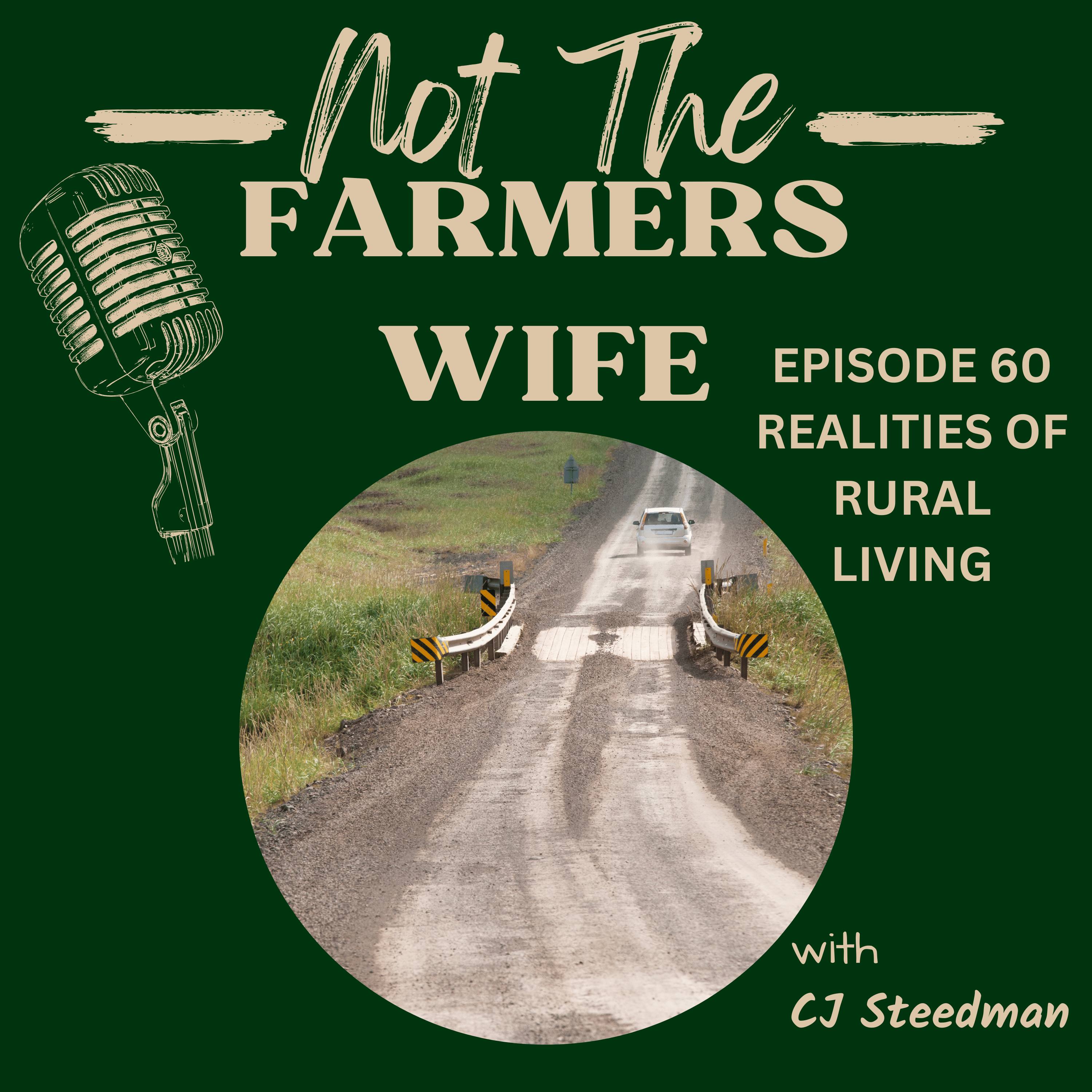
Realities of Rural Living - Episode 60
Before women make the transition to rural living, whether in Australia or the United States, they must consider several realities of rural life:
- Isolation: Rural areas can be isolated, with fewer neighbours and limited access to amenities and services. Women should assess their comfort level with solitude and consider how they will maintain social connections and support networks.
- Limited Services: Rural areas may have limited access to healthcare, emergency services, public transportation, and other essential services. Women should consider the availability of these services and plan accordingly for their needs.
- Workload: Farming and homesteading require significant time and effort. Women should be prepared for the physical demands of tasks such as gardening, animal care, maintenance, and other farm chores. Balancing work and personal life can be challenging in a rural setting.
- Financial Considerations: Starting a farm or homestead requires upfront investment and ongoing expenses. Women should carefully consider the financial implications, including land costs, equipment, supplies, and potential income streams. They should also have a plan for generating income and managing finances in a rural economy.
- Climate and Environmental Factors: Rural areas may be subject to extreme weather conditions, such as droughts, floods, wildfires, and severe storms. Women should be prepared to adapt to these environmental challenges and implement strategies for resilience and sustainability.
- Access to Education: Families with children should consider the quality of local schools and educational opportunities in rural areas. Women should assess the availability of educational resources and extracurricular activities for their children.
- Safety and Security: Rural areas may have lower crime rates compared to urban areas, but women should still prioritize safety and security. They should be aware of potential risks such as wildlife encounters, property crimes, and emergencies, and take measures to protect themselves and their property.
- Community Integration: Building connections with neighbours and becoming involved in the local community is essential for social support and collaboration. Women should consider how they will integrate into their new community and contribute to its well-being.
- Self-Reliance and Resilience: Rural living requires a degree of self-reliance and resilience. Women should be prepared to troubleshoot problems independently, adapt to changing circumstances, and persevere through setbacks.
By carefully considering these realities and conducting thorough research and planning, women can make informed decisions about whether rural living is the right choice for them and their families.
Get every episode summarized
Each time Ditch The Store publishes, we email you a written briefing from the transcript — the topics, who appeared, and any specific claims, with the ad reads skipped.
Email me new episodesFree for 3 shows. No card needed.
Hosts & guests
No transcript yet
This episode has not been transcribed. Request it and it moves to the front of the queue.
More episodes
More from Ditch The Store

Episode 178 - Why Most People Never Start
Ditch The Store

Episode 177 - Eggs Without Cartons The Book
Ditch The Store

Episode 176 - Your Spring Ditch The Store Plan
Ditch The Store

Episode 175 - The Best $25 You'll Spend in Your Garden
Ditch The Store