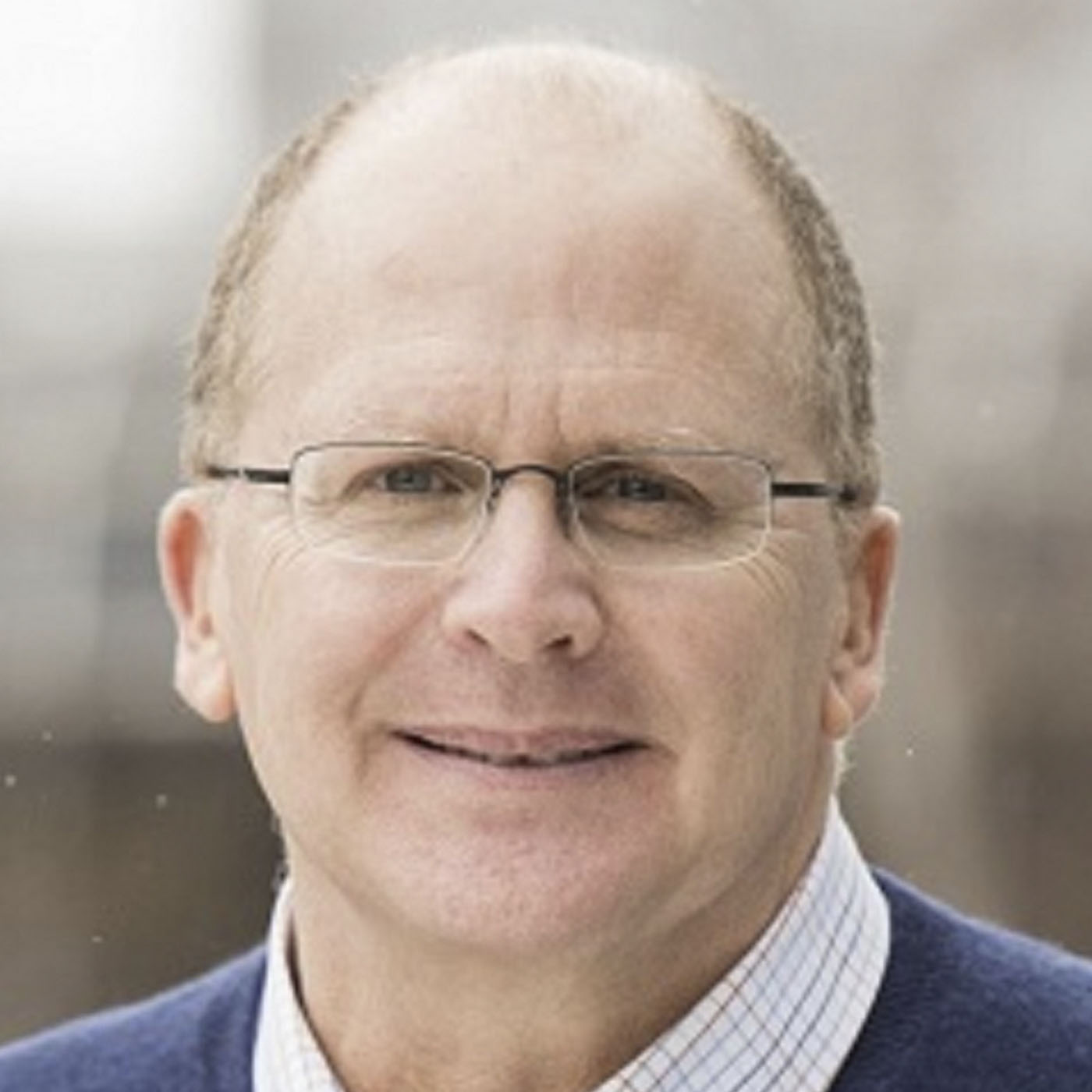
Encore! EP308: How Financial Toxicity Wreaks Havoc on Value-Based Payment Success, With Mark Fendrick, MD
About this episode
How Financial Toxicity Wreaks Havoc on Value-Based Payment Success, With Mark Fendrick, MD (Encore! EP308)
In this Encore, Stacey Richter revisits her conversation with Mark Fendrick, MD, director of the University of Michigan Center for Value-Based Insurance Design, about why patient benefit design and provider value-based payment have to be aligned — because right now they often work against each other.
WHAT YOU'LL LEARN
✅ Why a doctor can get dinged on quality scores when a patient can't afford the follow-up care they were told to get
✅ How most benefit designs set patient cost-sharing based on a service's price, not its clinical value
✅ Why "almost all of the services we recommend to reduce cost sharing…do not save money"
✅ What V-BID's core pillars are for aligning consumer engagement with value-based reimbursement
✅ Why providers need both funding and courage to actually change how they reimburse for care
WHY THIS MATTERS
Value-based payment can't succeed in isolation — if a patient's benefit design punishes them financially for following through on high-value care, the provider gets blamed for a bad outcome that was actually a benefit-design problem. Aligning patient incentives with provider incentives, Dr. Fendrick argues, is the "sledgehammer to the scalpel" fix value-based care needs.
MENTIONED IN THIS EPISODE
EP176 with Robert Pearl, MD (co-hosted by Alex Akers): Apple Podcasts | Spotify | Other Apps (link unavailable)
=== LINKS ===
🔗 Show Notes with all mentioned links: Episode Page
✉️ Enjoy this podcast? Subscribe to the free weekly newsletter
🫙 Support the podcast with a small donation to the Tip Jar
📺 Subscribe to our YouTube channel
🎤 Listen on Apple Podcasts
🎤 Listen on Spotify
=== CONNECT WITH THE RHV TEAM ===
✭ LinkedIn ✭ Threads ✭ Bluesky ✭ X
00:00 Introduction
05:00 Is back surgery high-value care?
05:51 If care is patient to patient, how is high-value care decided upon?
06:40 "Flintstones delivery: We have to move from the sledgehammer to the scalpel."
11:14 "Almost all of the services that we recommend to reduce cost sharing…do not save money."
12:30 "I didn't go to medical school to learn how to save people money."
17:03 "When a patient and their clinician agree…the patient should be able to get that [service] easily, and the clinician should be paid generously."
18:01 "When patients and providers are aligned, they do much better."
19:59 What services are deemed high value, and what services should be pre-deductible?
21:50 "Are primary care visits high value?…The answer is, it depends."
25:55 What are V-BID's core pillars to address value-based care?
28:04 How does Dr. Fendrick's method of value-based care and reimbursement actually enable better consumerism?
29:51 What do providers think about changing reimbursement on low-value and high-value care?
30:58 "We have incentives that are run amok."
32:12 EP176 with Dr. Robert Pearl.
32:49 "It's all about incentives."
33:43 "You do have the funding; you just have to have the courage."
Get every episode summarized
Each time Relentless Health Value publishes, we email you a written briefing from the transcript — the topics, who appeared, and any specific claims, with the ad reads skipped.
Email me new episodesFree for 3 shows. No card needed.
Hosts & guests
No transcript yet
This episode has not been transcribed. Request it and it moves to the front of the queue.
More episodes
More from Relentless Health Value

Private Equity in Primary Care: What the Data Actually Shows, With Yashaswini Si...
Relentless Health Value

Why Should a Plan Sponsor Care About the 340B Charity Program? With Shawn Gremmi...
Relentless Health Value

Mark Cuban and Cora Opsahl: The Truth About Pass-Through PBM Contracts and Gener...
Relentless Health Value

PMPM vs FFS—The Perverse Incentives Plan Sponsors Sometimes Miss, With Cristin D...
Relentless Health Value