About this episode
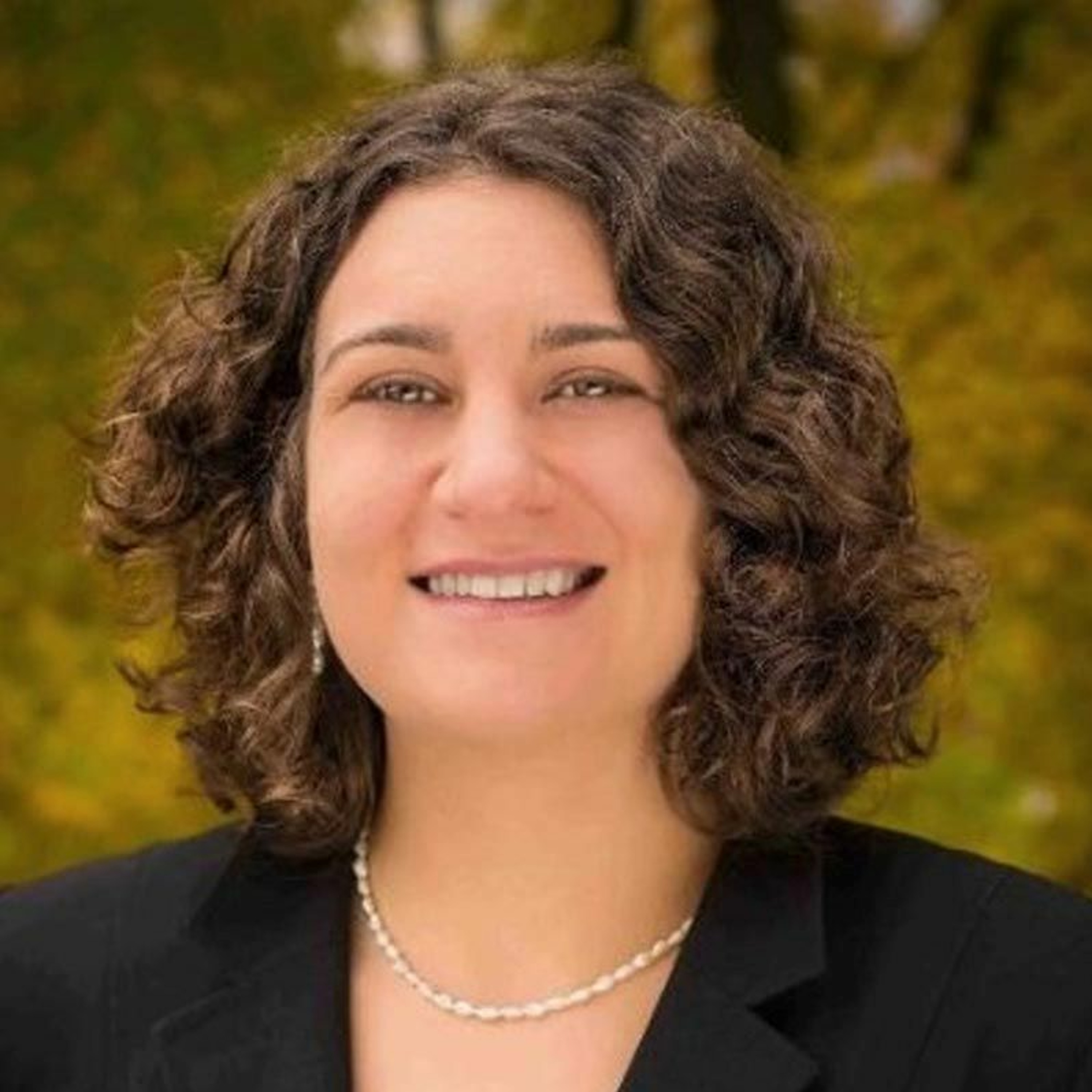
The promise of precision medicine to provide more effective and safer cancer therapies that target the genetics driving each patient’s disease has been hindered by the lack of understanding of the specific genetic alterations underlying many cancers. Elana Fertig thinks math can solve that problem. Fertig, with a nod to the algorithm Netflix uses to help recommend movies users might like, is working to identify the genes that drive an individual’s cancer. Fertig, assistant professor of Oncology Biostatistics and Bioinformatics at Johns Hopkins Kimmel Cancer Center, discussed the proliferation of genetic data relating to cancer, how researchers may be able to capitalize on that, and how such an approach may also bring a new understanding of why patients suffer relapses and develop resistance to cancer therapies.
Get every episode summarized
Each time The Bio Report publishes, we email you a written briefing from the transcript — the topics, who appeared, and any specific claims, with the ad reads skipped.
Email me new episodesFree for 3 shows. No card needed.
No transcript yet
This episode has not been transcribed. Request it and it moves to the front of the queue.
More episodes
More from The Bio Report

Resetting Severe Allergies at Their Cellular Source
The Bio Report
Sep 2, 202633:17pending
Innovating ADCs with Dual Targeting and Smarter Delivery
The Bio Report
Aug 26, 202629:35pending
Targeting the Brain’s Immune System in Alzheimer’s Disease
The Bio Report
Aug 19, 202634:19pending
How Gilead Is Building Durable Oncology and Immunology Franchises
The Bio Report
Aug 12, 202638:31pending