About this episode
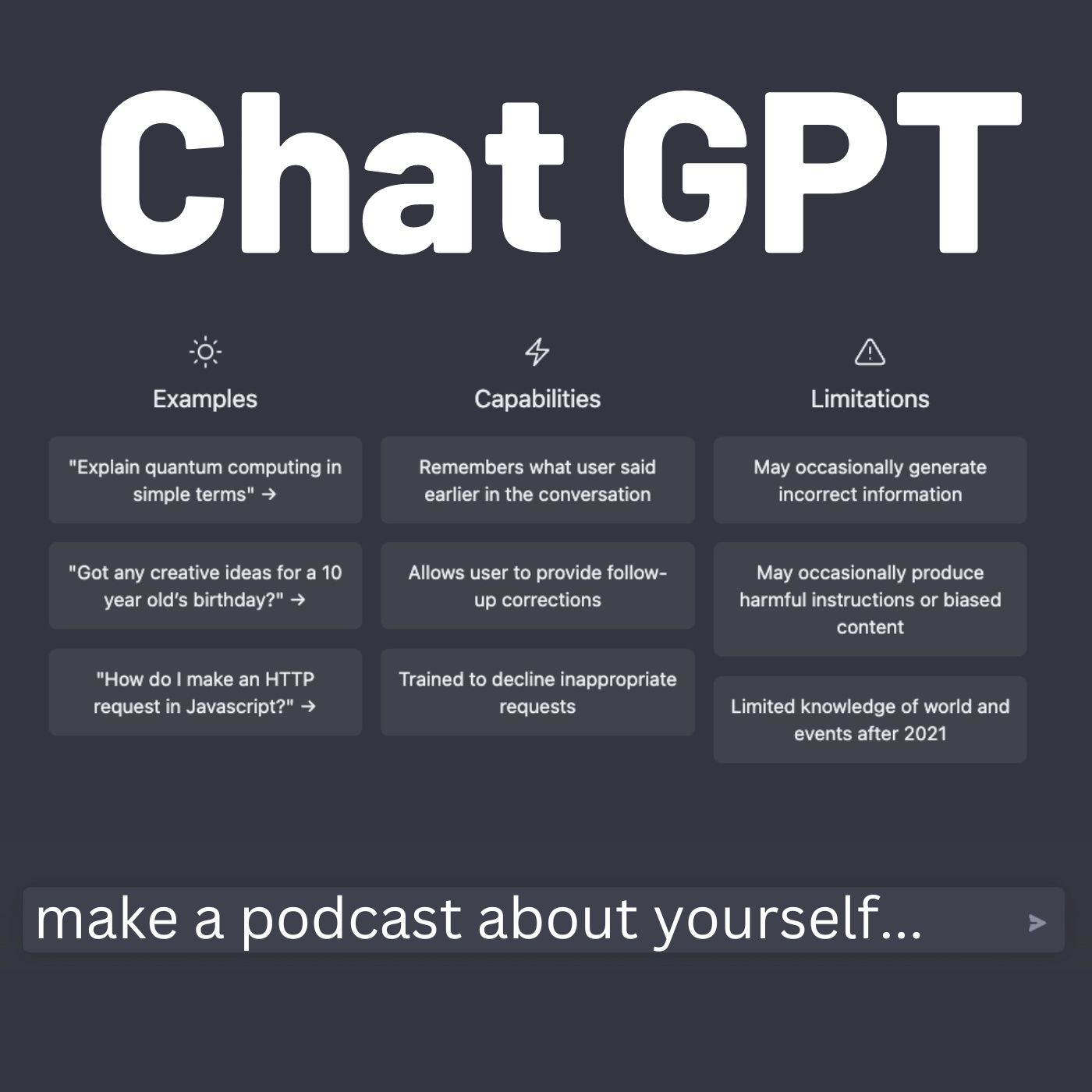
today we collectively examine the operational mechanics and common misconceptions surrounding ChatGPT and similar large language models. They clarify that AI does not "think" or possess knowledge like a human but instead uses statistical probability to predict the next token in a sequence. Experts emphasize that these systems rely on static training data rather than real-time internet browsing by default, leading to factual errors known as hallucinations. Furthermore, the texts highlight critical privacy and security risks, noting that user conversations may be stored and used to refine future models. The sources also compare AI to search engines, explaining that tools like ChatGPT function as collaborative assistants rather than direct replacements for human expertise or traditional search tools. Ultimately, the documentation serves as a guide for users to understand the technical limitations and ethical considerations of utilizing artificial intelligence in 2026.
Get every episode summarized
Each time Chat GPT Podcast publishes, we email you a written briefing from the transcript — the topics, who appeared, and any specific claims, with the ad reads skipped.
Email me new episodesFree for 3 shows. No card needed.
No transcript yet
This episode has not been transcribed. Request it and it moves to the front of the queue.
More episodes
More from Chat GPT Podcast

The Humans Secretly Operating Home Robots
Chat GPT Podcast
Sep 12, 202621:03completed
Predicting PTSD and AI therapy risks
Chat GPT Podcast
Sep 10, 202620:58completed
AI models guarding water and power
Chat GPT Podcast
Sep 9, 202622:37completed
How AI Extends the Creative Mind
Chat GPT Podcast
Sep 8, 202620:22pending