
About this episode
Brahms was only 20 years old when Robert Schumann wrote his famous Neue Bahnen(New Paths) article that proclaimed Brahms as the future of music and the heir of Beethoven. Beethoven had only been dead for 26 years at this point, and his shadow still loomed large over every single composer living in Germany, and beyond. Brahms knew that the most concrete way he would be compared with Beethoven would be through a symphony, and so…he studiously avoided writing one. It's not like he didn't try. Brahms began sketching symphonies only one year after the Neue Bahnen article, but he kept revising the sketches, or more often, burning them as inferior products. This would go on for 23 more years, until 1876. Brahms was 43 when he finally completed his first symphony, and it was worth the wait. What Brahms came up with would inspire symphonists to this day, and would carry on the tradition that Beethoven laid out with both a respectful and loving look back into the past, with a clear eye forwards into the future. Today we'll dissect this piece in detail, taking it down to its foundational elements in order to see how Brahms created this masterpiece of a first symphony. Join us!
Get every episode summarized
Each time Sticky Notes: The Classical Music Podcast publishes, we email you a written briefing from the transcript — the topics, who appeared, and any specific claims, with the ad reads skipped.
Email me new episodesFree for 3 shows. No card needed.
Hosts & guests

No transcript yet
This episode has not been transcribed. Request it and it moves to the front of the queue.
More episodes
More from Sticky Notes: The Classical Music Podcast

Grieg: Peer Gynt
Sticky Notes: The Classical Music Podcast
Sep 3, 20261:07:35failed

Mozart Clarinet Concerto
Sticky Notes: The Classical Music Podcast
Aug 20, 202651:41pending

Bohuslav Martinu Symphony No. 1
Sticky Notes: The Classical Music Podcast
Aug 6, 20261:01:53pending
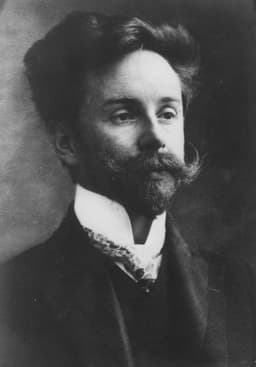
Scriabin Poem of Ecstasy
Sticky Notes: The Classical Music Podcast
Jul 23, 202651:04pending