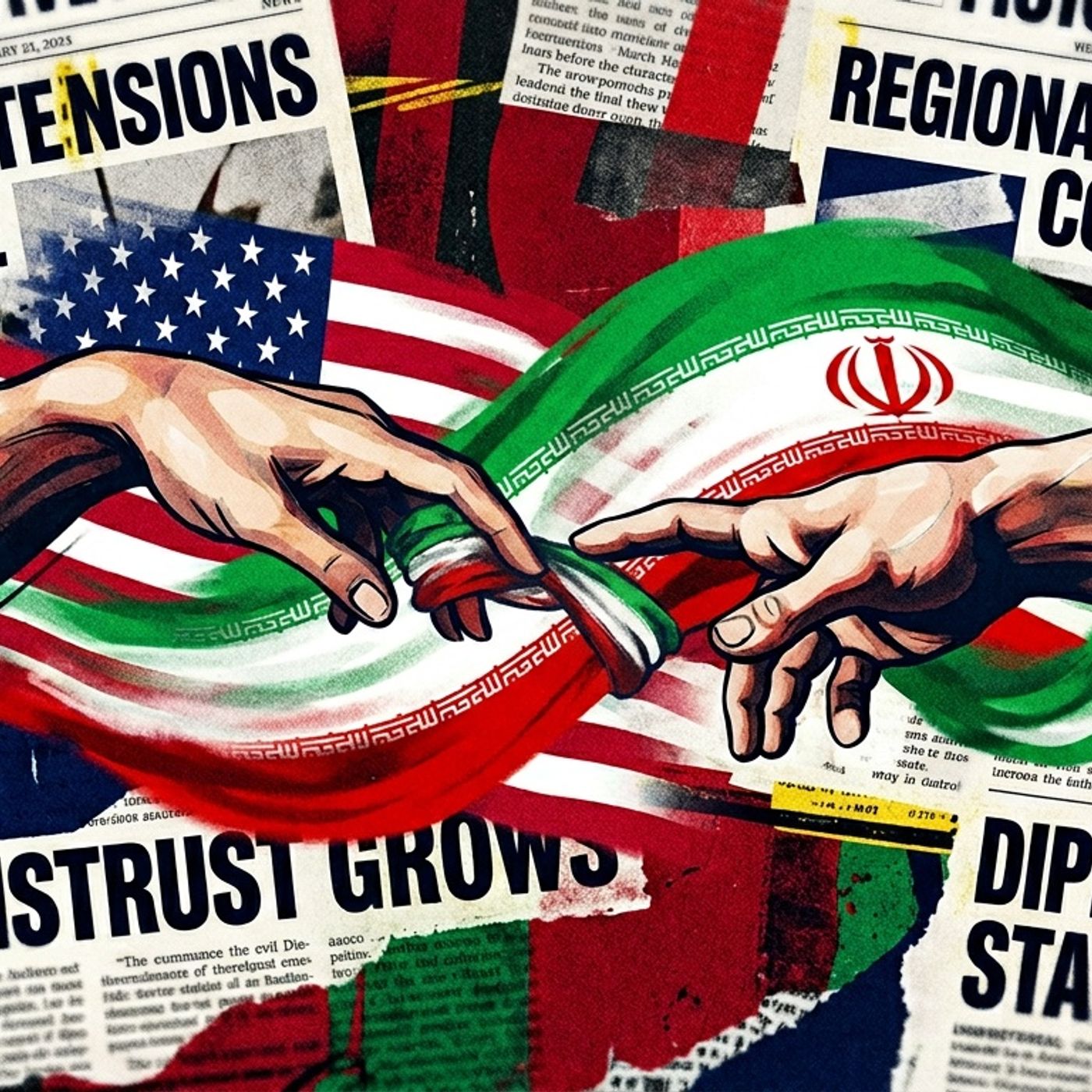
America's Dilemma_ Trust and Threats
About this episode
But here’s where it gets interesting – despite this overwhelming belief that Iran is a threat, a significant portion of the population isn’t sure they want to hand over military power to the current administration. Only about 30% of those polled have trust in the military judgment of President Trump when it comes to decisions about Iran and other adversaries. So, while fear looms large, confidence in our leaders is in short supply.
Become a supporter of this podcast: https://www.spreaker.com/podcast/conspiracy-theories-exploring-the-unseen--5194379/support.
Get every episode summarized
Each time Conspiracy Theories Exploring The Unseen publishes, we email you a written briefing from the transcript — the topics, who appeared, and any specific claims, with the ad reads skipped.
Email me new episodesFree for 3 shows. No card needed.
Hosts & guests
Transcript ready
59 searchable segments. Every word is indexed and playable.
Full transcript
Conspiracy Theories Exploring The Unseen — America's Dilemma_ Trust and Threats. Machine-transcribed; use the interactive transcript above to jump the player to any line.
Teleredic here from 2311 Racing. Game night's fun until someone spends five minutes lining up one shot. Chalk, breathe, reach-shock, still aiming. While they figure it out, I fire up Chamba Casino. I can spin anywhere, anytime, and there's always a new social casino game every week. Spins happen way faster than that shot. Play now at chambacasino.com. Let's Chamba. Sponsored by Chamba Casino, no purchase necessary. VGW Group, voidware prohibited by law, 21 plus terms and conditions apply. Let's dive right into a topic that's been making waves in American public opinion lately. How we view Iran and our trust in the government to manage that relationship responsibly. It's fascinating, really. According to a recent AP Nork poll, a solid 61% of Americans consider Iran an enemy. That's a slight uptick from just a few years ago, showing that the perception of Iran as a threat is increasingly entrenched in the minds of many. But here's where it gets interesting.
Despite this overwhelming belief that Iran is a threat, a significant portion of the population isn't sure they want to hand over military power to the current administration. Only about 30% of those polled have trust in the military judgment of President Trump when it comes to decisions about Iran and other adversaries. So, while fear looms large, confidence in our leaders is in short supply. Now, let's hone in on military intervention. A recent Quinnipiac University poll reveals that a whopping 70% of voters are opposed to any U.S. military involvement in Iran. That's a striking number, especially when you consider the voices that usually advocate for a more aggressive foreign policy approach, just 18% of people support military action. It suggests a powerful caution rooted in collective experiences. When we break this down along political lines, it's even more revealing, among Democrats and astounding 88% disapprove of military action in Iran.
Independence feels similarly, with about 60% standing against it. Interestingly, Republicans are more split on the issue. While a robust 82% are in favor of military action, nearly 20% still voice disapproval. This division showcases a complex landscape of opinion that cannot be ignored. Now, let's tackle the perception of Iran's nuclear ambitions. You might think that threats from Iran's nuclear program would universally be seen as an immediate and serious threat. Surprisingly, only 22% of Americans categorize it that way. The majority, 48% to be precise, reckon it's a somewhat serious concern. This indicates a need for nuanced understanding rather than an all or nothing approach. And let's not forget the historical context here, which undoubtedly influences current sentiments. The aftermath of the Iraq war still looms large over American consciousness. Many are haunted by the consequences of engagements that didn't go as planned.
That war has made many in the U.S. wary of jumping into military interventions without careful consideration. As a result, we see skepticism towards current decisions with Iran based on lessons learned from past conflicts. All this paints a complex picture. Americans may view Iran as a threat, yet there's a palpable distrust of the administration's military capabilities. We are faced with a dilemma, balancing the need for security with a caution shaped by history. As we continue to navigate these turbulent waters, it's crucial to keep these concerns front and center. In summary, understanding this public sentiment is crucial, as we assess the future of U.S. Iran relations and military policy. With a populist skeptical of military engagement, despite recognizing threats, our leaders must prioritize careful and thoughtful diplomacy. Thanks for joining the Fortune Factor podcast. Tyler Reddick here from 2311 Racing. Victory Lane? Yeah, it's even better with Chamba by my side.
Race to ChambaCasino.com. Let's Chamba. No purchase necessary, VTW Group, voidware prohibited by law, CTNC's 21 Plus, sponsored by Chamba
More episodes
More from Conspiracy Theories Exploring The Unseen

The Digital Mirage_ AI and the Death of Authentic Romance
Conspiracy Theories Exploring The Unseen

The Trust Trap_ AI and the Future of Romance
Conspiracy Theories Exploring The Unseen

The Ghost in the Machine_ Navigating AI Romance
Conspiracy Theories Exploring The Unseen

The Love Recession_ Why Digital Romance is Offline for Good
Conspiracy Theories Exploring The Unseen