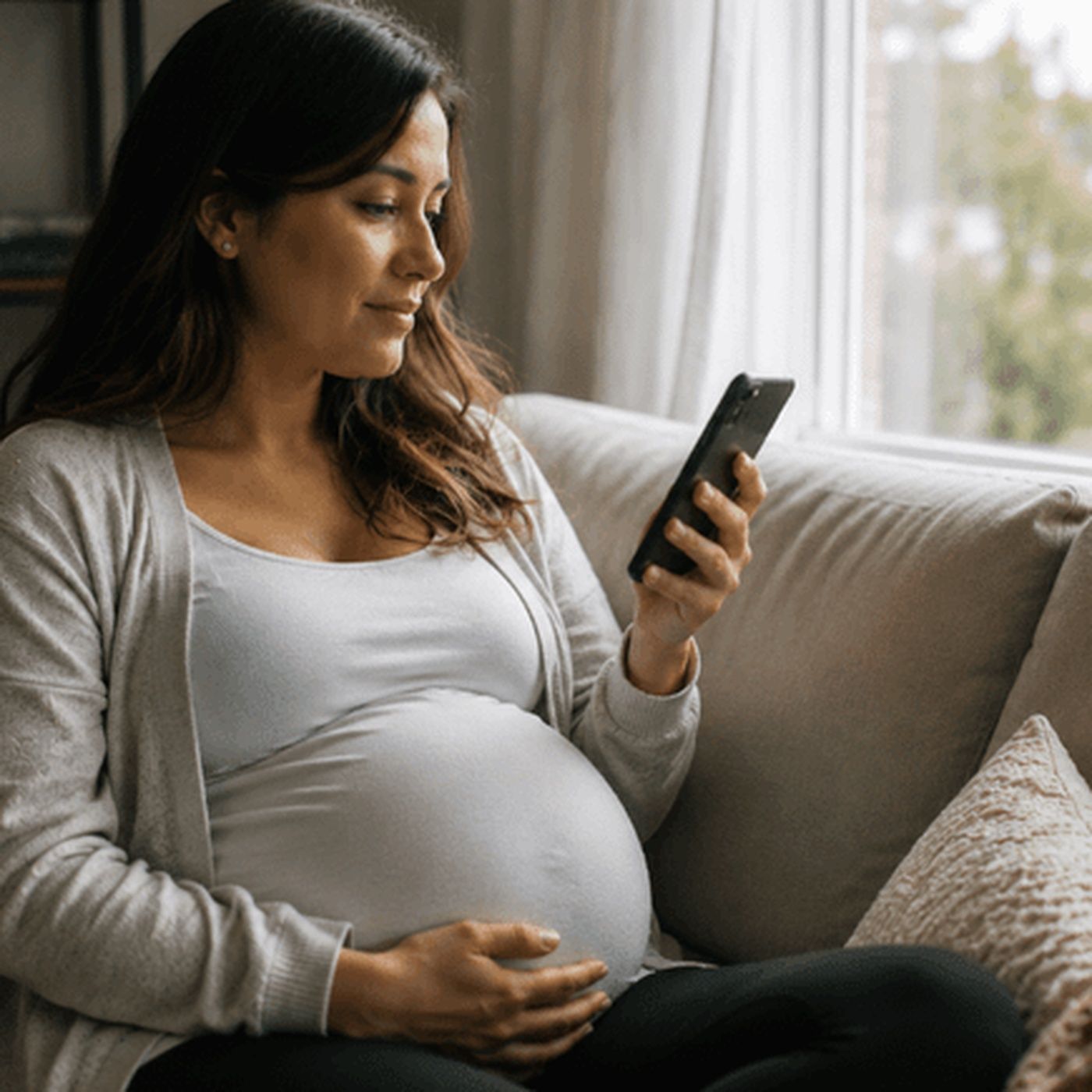
Air Pollution and Pregnancy: Risks, AQI Thresholds & Protection | Filterbuy.ca
About this episode
Get every episode summarized
Each time Filterbuy.com Audio Blogs Podcast publishes, we email you a written briefing from the transcript — the topics, who appeared, and any specific claims, with the ad reads skipped.
Email me new episodesFree for 3 shows. No card needed.
Hosts & guests
Transcript ready
110 searchable segments. Every word is indexed and playable.
Full transcript
Filterbuy.com Audio Blogs Podcast — Air Pollution and Pregnancy: Risks, AQI Thresholds & Protection | Filterbuy.ca. Machine-transcribed; use the interactive transcript above to jump the player to any line.
It's fall in Jeep country and during the drive-in-to-fall sales event get a great deal on 4x4s that refuse to be contained like Jeep Wrangler. Confidence built into every drive with the most awarded SUV ever, Jeep Grand Cherokee, and freedom that can't be denied with the open-air freedom in Jeep Gladiator. After 85 years, it's no surprise that Jeep became America's SUV brand, yet a great deal during the Jeep Drive-in-to-fall sales event. Jeep is one more awards-over its lifetime than any other SUV brand, even the Jeep Grille Registered Trademarks of FCA US LLC. It's fall in America, make it count, at the Ram Drive-in-to-fall sales event, make it powerful with our strongest Ram 1500 ever, make it move with the Ram Heavy Duty with an available Cummins diesel, and make it go to the distance with a 10-year or 100,000 mile powertrain limited warranty. Hurrie and Now for great deals during the Ram Drive-in-to-fall sales event, excludes fully electric vehicles applied to 2026 model-year vehicles non-transferable, visit moepar.com for complete details on a copy of the powertrain limited warranty. Cummins is a registered trademark of Cummins Inc. Ram and Hemiar registered trademarks of FCA US LLC.
Air pollution and pregnancy, what expecting parents should know. Author Michelle Wann, brand manager and air quality writer, reviewer, David Clark, licensed HVAC technician. TLDR outdoor air pollution, especially fine particulate matter, PM2.5 is linked to higher risk of preterm birth, low birth weight, and hypertensive disorders like pre-clampsia. A review of 32 million US births found P, M2.5 or ozone exposure tied to higher preterm birth risk in 19 of 24 studies and low birth weight risk in 25 of 29. The CDC and EPA advised checking the air quality index, AQI, daily, and taking protective action above 100 with some pregnant people sensitive as low as 51. A MIRV-13 or heap-a-rated filter cuts indoor exposure, but works alongside your prenatal care provider, not instead of one.
Key takeaways. The CDC notes that pregnancy already raises blood volume, cardiac output, and heart rate, and ACOG's committee opinion links air pollution exposure, especially PM2.5 to preterm birth and low birth weight. A systematic review covering more than 32 million US births found that PM2.5 or ozone exposure was tied to a higher risk of preterm birth in 19 of 24 studies and low birth weight in 25 of 29 studies. The CDC instructs pregnant patients to check the AQI, daily, and act once it passes 100, noting some pregnant people are sensitive even between 51 and 100. Wildfire smoke adds a seasonal spike in PM2.5 that the EPA specifically flags as a risk for pregnant people. The CDC recommends HVAC filters rated MIRV-13 or higher or HEPA filters to meaningfully reduce indoor air pollution.
Nearly 380,000 babies were born preterm in the US in 2024, about 1 in 10 births, according to March of Dimes. Can air pollution really affect your pregnancy? Yes, pregnancy already raises blood volume, cardiac output, and heart rate, adding cardiovascular stress before outside exposure is factored in per the CDC. ACOG's committee opinion on reducing prenatal exposure to toxic environmental agents, links air pollution, especially PM2.5, with preterm birth and low birth weight. Fine particles small enough to reach deep into the lungs can trigger inflammation and stress the placenta interfering with blood flow between mother and fetus and can promote blood clot formation. Which pollutants matter most pollutant? Common source? Why it matters for pregnancy? PM2.5, vehicle exhaust, wildfire smoke, industrial emissions. Small enough to cross into the bloodstream in placenta, most consistently linked to preterm birth and low birth weight.
Ozone. Traffic and industrial emissions reacting in sunlight and heat. Rises with PM2.5 on hot days, heat plus air pollution raises preterm birth risk more than either alone, nitrogen dioxide, NO2, vehicle traffic, gas appliances. Link to low birth weight, particularly with first trimester exposure. PM2.5 has the deepest pregnancy specific research, which is why AQI and indoor air guidance center on particle pollution first. Households can match filtration to AQI-driven pollutant spikes before a high pollution day arrives. What the research shows? A review of 57 US studies covering more than 32 million births found PM2.5 or Ozone exposure associated with higher preterm birth risk in 19 of 24 studies and low birth weight risk in 25 of 29 with asthma patients and black mothers showing the highest risk. A separate meta-analysis found at 10 micrograms per cubic meter, increase in P and 2.5 exposure raised preterm birth risk, 13 to 15% and low birth weight risk, 13 to 28%.
The American Long Association adds that this stress can increase hypertensive disorders, including preeclampsia and damage the placenta with risks compounding for people managing asthma or another chronic condition. These are population level associations, not individual predictions, but the consensus supports treating air pollution as a known prenatal risk factor. Is there a riskiest trimester? Not clearly. Most large studies measure exposure across an entire pregnancy, so first trimester is riskiest is more assumption than settled finding. Pregnancy stage. What research shows? First trimester. A meta-analysis found first trimester P and 2.5 exposure raised preterm birth risk about 5%. The CDC flags first trimester heat and pollution exposure as carrying added risk for certain birth defects. Second or third trimester. The CDC notes heat combined with poor air quality raises adverse outcome risk in any trimester without singling out the second trimester. Whole pregnancy.
Most large studies, including the 32 million birth review above, measure exposure across the full pregnancy, which is why trimester specific timing remains an open question. Source. Frontiers in public health meta-analysis and CDC clinical overview of heat and pregnancy. Practical takeaway. Monitor air quality throughout pregnancy, not just the first trimester. What AQI numbers should change your plans? The AQI is the EPA's daily air pollution scale, 0-500. Above 100, the CDC and EPA classify outdoor air as unhealthy for sensitive groups, including pregnant people. Some are sensitive even between 51 and 100, AQI range, category. What pregnant people should do? 0-50. Good. No special precautions needed for air quality alone. 51-100. Moderate. Some are sensitive here. Watch symptoms and limit prolonged outdoor exertion. 101-150. Unhealthy for sensitive groups.
Short and outdoor time. Move activity indoors. Keep asthma medication handy. 151 and above. Unhealthy or worse. Limit outdoor exposure as much as possible, especially during wildfire smoke. Source. CDC and EPA AQI guidance. Some pregnant people are sensitive below the 100 threshold that applies to the general population. Airnow.gov provides real-time AQI readings by zip code. Filter buys live AQI and wildfire smoke map also tracks nearby smoke. Wildfire smoke. An added seasonal risk. Wildfire smoke can push PM 2.5 far higher than typical urban pollution and far faster. The EPA includes pregnant people among at-risk groups during smoke events and the CDC note smoke pollutants are associated with adverse birth outcomes. During a smoke advisory, treat the AQI as a deciding factor for outdoor plans. See filter buys wildfire smoke and AQI guide for a full walkthrough.
What you can do about outdoor air exposure. Check the AQI daily through airnow.gov before planning outdoor time. Shift outdoor activity to mornings or evenings when pollution and ozone are lower. Reduce exertion outdoors on elevated AQI days since heavier breathing pulls in more pollutants. Keep car windows up and use recirculated air and traffic or during a smoke advisory. Talk with your provider about risk factors like asthma or hypertension, which lower your sensitivity threshold. Keep a spare correctly sized filter such as a Merv 13 on hand before smoke season. Questions to bring to your next prenatal appointment. Given my health history at what AQI should, I start taking precautions rather than the general 100 threshold. Are there air quality patterns near me like a highway or regular wildfire smoke you'd factor into my care plan? Are there symptoms beyond usual pregnancy symptoms I should report right away?
Does my home setup, including filter rating and ventilation make sense given my risk factors? Does guidance change based on how far along I am if smoke or a pollution event hits? Indoor air quality. What filtration can and can't do. Indoor air is not automatically cleaner than outdoor air. The CDC notes it can be as polluted with cigarette, anti-cigarette smoke, candles and air fresheners as common indoor sources on top of whatever drifts in from outside. For outdoor air infiltrating a home, filtration is one tool public health guidance points to. The CDC recommends HVAC filters rated Merv 13 or higher or heap of filters replaced roughly every 60 to 90 days depending on local pollution. A furnace filter addresses airborne particles passing through your HVAC system. It doesn't address every root of exposure, isn't a substitute for prenatal care and no study claims filtration alone eliminates these risks.
It can reduce one source of indoor particulate exposure on days when going outside isn't a good option. See a side by side heapa versus Merv filter comparison or shop filter buys Merv 13 air filters built to CDC's recommended rating in more than 600 sizes. Quote. We build every filter to a stated Merv rating because families shouldn't have to guess what their HVAC system is actually capturing. If your household is watching the AQI more closely right now, matching your filter to that rating, Merv 13 or higher when your system supports it is one of the more straight forward measurable steps you can take on the indoor side. End quote. David Hicock, founder and CEO, filter by 7 essential resources for navigating air quality during pregnancy 1. Check today's AQI before you plan outdoor time. EPA's real time AQI tool by zip code. 2. Know the AQI number that should change your plans. CDC's action threshold. Act above 100. Some sensitive as low as 51.
3. Get the clinical playbook doctors are trained on. EPA's course on counseling patients on particle pollution exposure. 4. CY pregnancy raises your risk. American long association on why pregnant people and fetuses are uniquely vulnerable. 5. Read the medical guidance behind prenatal counseling. ACOG committee. Opinion number 8. 32 names air pollution and PM 2.5 among factors linked to pre-term birth and low birth weight. 6. Review the largest US study on air pollution and birth outcomes. A review of 32 million US births linking PM 2.5 or ozone exposure to higher pre-term birth and low birth weight risk. 7. See where pre-term birth rates stand today. March of dimes. Nearly 380,000 US babies born pre-term in 2024 about 1 in 10 births.
Supporting statistics. 1. PM 2.5. Doze response meta analysis. 10 micrograms per cubic meter. PM 2.5 increased during pregnancy raises pre-term birth. Risk 13 to 15% and low birth weight risk 13 to 28%. 2. 2025 Wildland fire statistics. The US saw 77,850 wildfires in 2025 burning more than 5.1 million acres. Smoke can spike local PM 2.5 faster than everyday pollution. 3. 2024 asthma capitals report. Nearly 28 million people in the US live with asthma. Air pollution amplifies risk for this population including pregnant people frequently asked questions. Question. Can air pollution cause miscarriage? Answer. Some studies examine links between air pollution and early pregnancy loss.
But evidence here is less extensive than research on pre-term birth and low birth weight. Discuss specific concerns with your prenatal care provider. Question. Is it safe to exercise outside while pregnant? If the air quality is poor, answer. Above AQI100, it's generally okay to be outside per the CDC. But more breaks and less intense activity reduce the polluted air you breathe. Some should apply that caution starting at AQI51, particularly with asthma. Question. Does an air purifier or a new HVAC filter remove pregnancy risk from air pollution? Answer. No single product removes the risks described in the research. The filtration reduces one source of indoor exposure and the CDC recommends MIRV, 13 or heparated filtration as one part of a broader plan that includes checking the AQI and staying in contact with your prenatal care provider. Question. Do AQI guidelines change during wildfire season? Answer. The scale doesn't change but the EPA adds pregnant people to its at-risk groups during smoke events.
And smoke can push AQI into unhealthy ranges faster than typical pollution. Question. Do I need asthma or another condition to be at risk? Answer. No. The American Long Association and ACOG both name pregnancy itself, not just pregnancy with asthma as a reason for added vulnerability. asthma and hypertension amplify the risk but baseline AQI guidance applies to any pregnant person. It's fall in Jeep country and during the drive into fall sales event get a great deal on four by fours that refuse to be contained like Jeep Wrangler. Confidence built into every drive with the most awarded SUV ever Jeep Grand Cherokee and freedom that can't be denied with the open air freedom and Jeep gladiator. After 85 years it's no surprise that Jeep became America's SUV brand. Get a great deal during the Jeep drive into fall sales event. Jeep is one more awards over its lifetime than any other SUV brand Jeep and the Jeep Grill or Registered Trademarks of FCA US LLC.
More episodes
More from Filterbuy.com Audio Blogs Podcast

Live Air Quality Index AQI Map Tampa, FL Today | Filterbuy.com
Filterbuy.com Audio Blogs Podcast

Live Air Quality Index AQI Map Virginia Beach, VA Today | Filterbuy.com
Filterbuy.com Audio Blogs Podcast

Live Air Quality Index AQI Map Virginia Today | Filterbuy.com
Filterbuy.com Audio Blogs Podcast

Live Air Quality Index AQI Map Kansas City, MO Today | Filterbuy.com
Filterbuy.com Audio Blogs Podcast