businessJul 2, 202444:50pending
'A joint effort': How Wells Fargo sets expectations for how it works with influencers
About this episode
As the creator economy grows, the very definition of what makes a creator or influencer changes. It has expanded to be inclusive of everything from college athletes under the name, image and likeness (NIL) policy change in 2021 to the latest crop of virtual influencers, springing up alongside generative AI advancements.
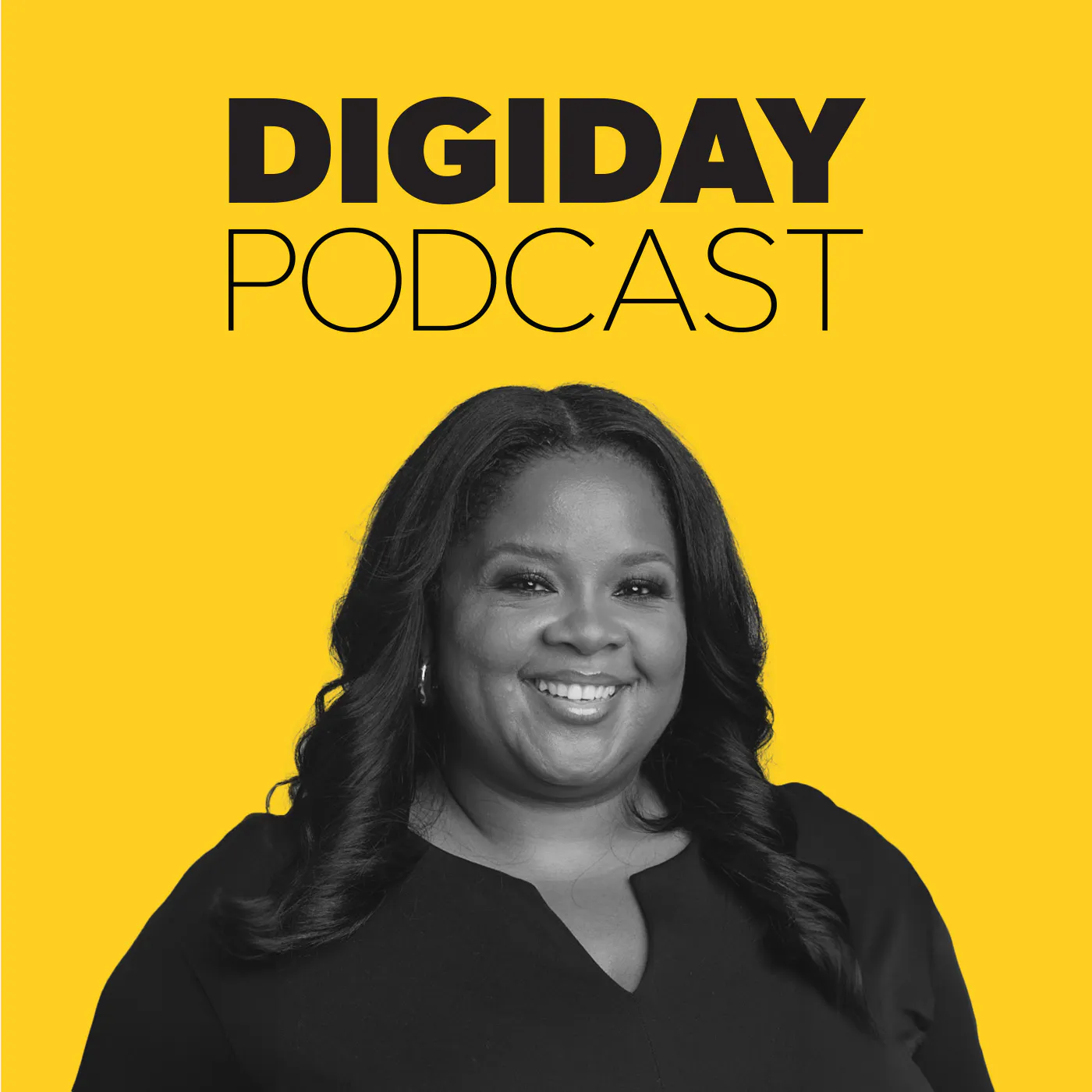
For Nicole Dye Anderson, svp, head of media relations and influencer strategy at Wells Fargo, influencers can extend to anything from celebrities to media personalities.
“[Traditional influencers] might have a strong social following and that's extremely important, to have that strong social following as well,” she said. “But then again, as the newsrooms are shrinking, [shoppers] are looking to these [media influencers] as the experts.”
In this week’s episode, Anderson shares more about Wells Fargo’s influencer marketing strategy, how the financial institution mitigates backlash and defines authenticity.
Get every episode summarized
Each time The Digiday Podcast publishes, we email you a written briefing from the transcript — the topics, who appeared, and any specific claims, with the ad reads skipped.
Email me new episodesFree for 3 shows. No card needed.
Hosts & guests
No transcript yet
This episode has not been transcribed. Request it and it moves to the front of the queue.
More episodes
More from The Digiday Podcast

Why OpenAI is moving fast to build an ads business
The Digiday Podcast
Apr 21, 202630:15failed

Inside The Trade Desk's programmatic power struggle
The Digiday Podcast
Apr 14, 202629:54failed

Mondelez overhauls its $3.5 billion digital commerce strategy in era of AI searc...
The Digiday Podcast
Apr 7, 202635:16failed

Why The Guardian’s first reader-facing AI product isn’t a chatbot
The Digiday Podcast
Mar 31, 202631:40failed