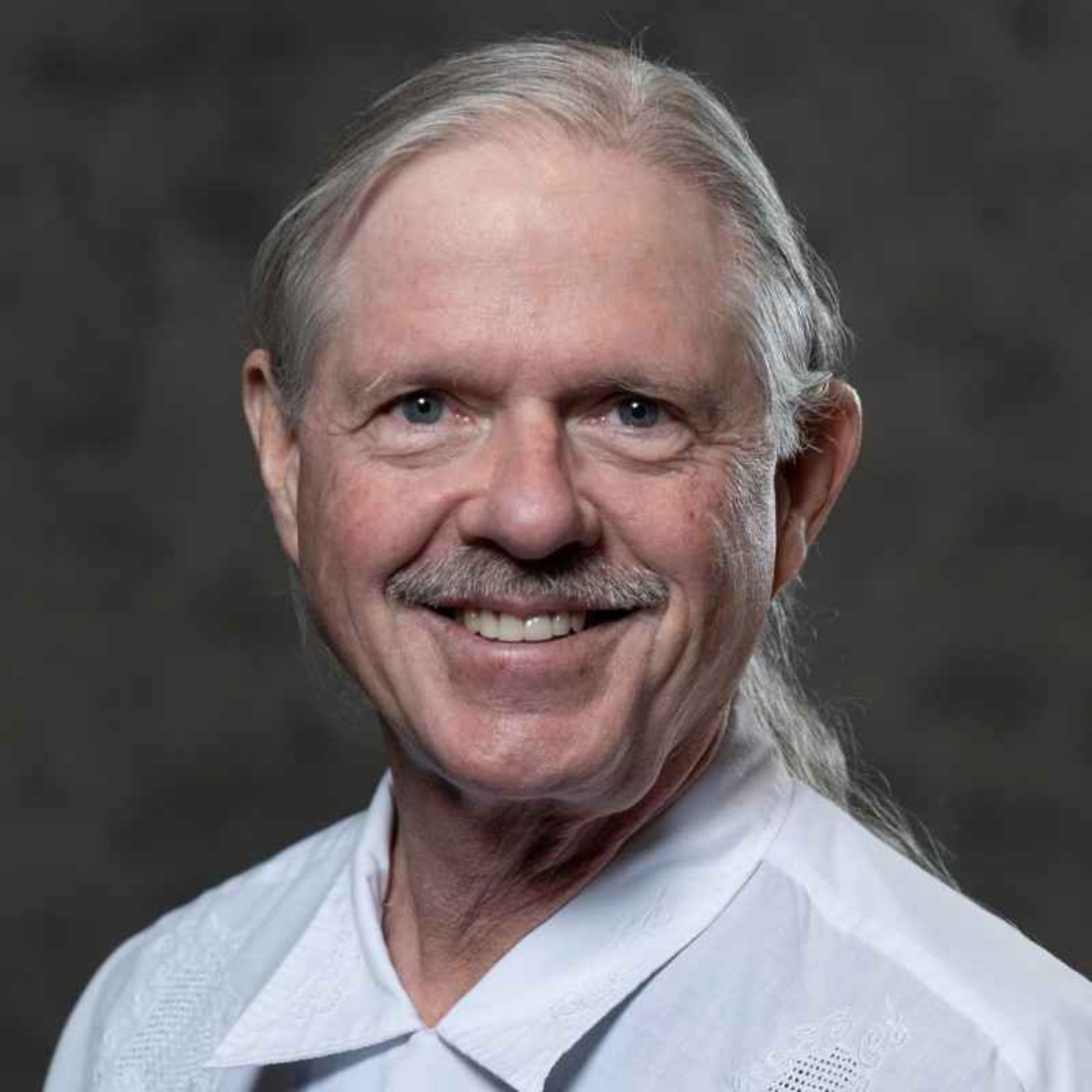
708: Chris Bystroff, part 2: Understanding the United Nation's Projections
About this episode
Talking with Chris has made me more concerned about population projections that only show the possibility of collapse as error bars. I hope to bring him and past guest Wolfgang Lutz on the podcast together to help resolve their disparate views.
I see some of humanity's effects on the environment that could affect our population beyond what the UN projections show not as low-probability high-impact events, but already happening. I mean things like depleting aquifers or fisheries that hundreds of millions of people rely on or plastic building up in the ocean. Several major rivers don't reach the ocean, including the Colorado, Tigris, and Euphrates. Solving these problems could be low-probability.
They’re like driving by looking only in the rear-view mirror.
Our relevant question is not, as the UN projections imply, “how do we feed ten billion?” It’s, “might human population collapse?” By implying we don’t have to worry about collapse, I see the UN discouraging acting on sustainability, in my view.
Hosted on Acast. See acast.com/privacy for more information.
Get every episode summarized
Each time This Sustainable Life publishes, we email you a written briefing from the transcript — the topics, who appeared, and any specific claims, with the ad reads skipped.
Email me new episodesFree for 3 shows. No card needed.
Hosts & guests

No transcript yet
This episode has not been transcribed. Request it and it moves to the front of the queue.
More episodes
More from This Sustainable Life

858: Beth Bailey, the great-grandmother influencer leading the cleaning of Mérid...
This Sustainable Life

857: Kim Stanley Robinson: Science fiction writing and leadership
This Sustainable Life

856: David Jenkins, President of Conservatives for Responsible Stewardship
This Sustainable Life

855: Peter DeCarlo PhD: Shocking Cancer Alley research from the scientist who di...
This Sustainable Life