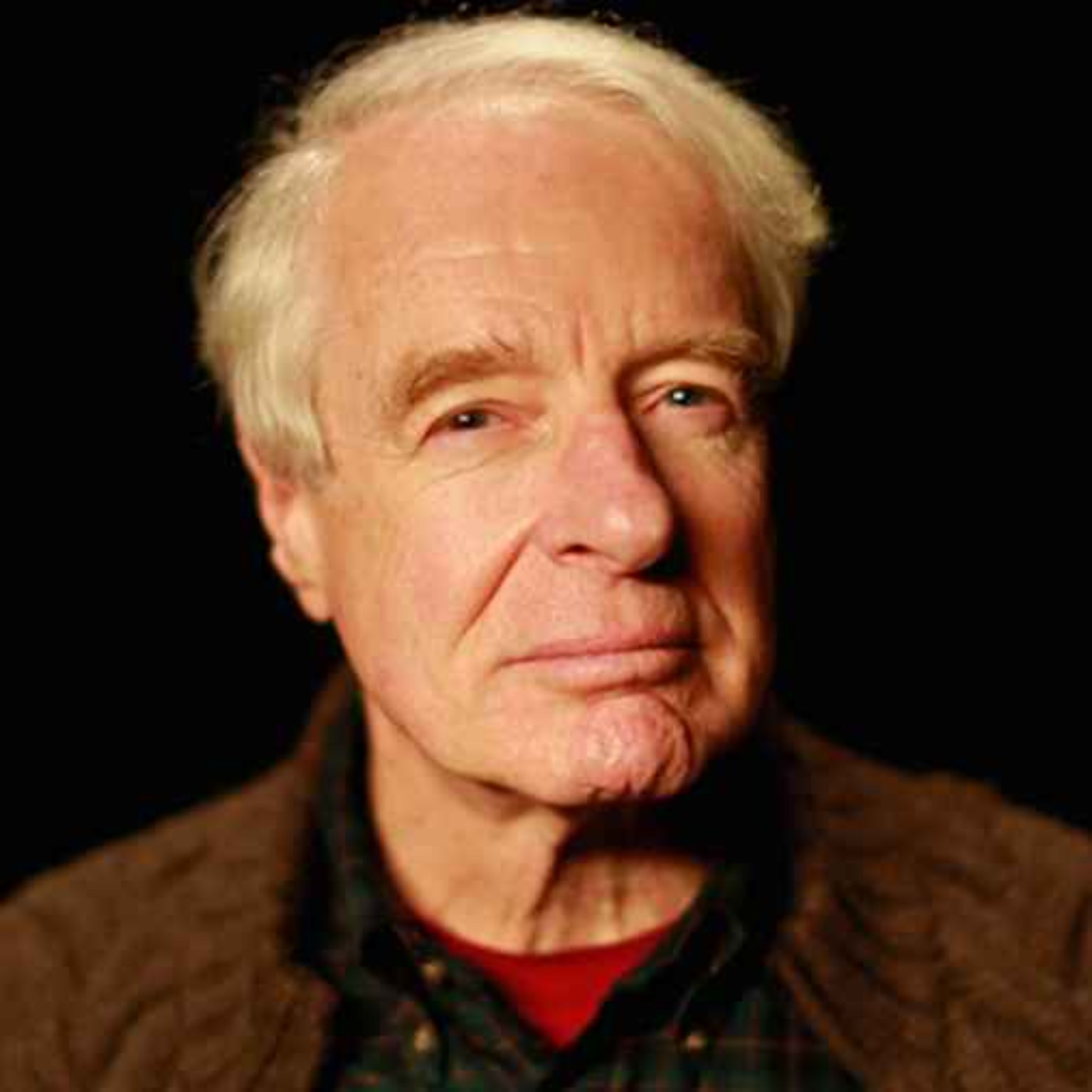
433: Adam Hochschild, part 2: Abolition then and pollution today
About this episode
If you've followed my development on how to view acting on sustainability, you've seen a marked change when I learned about the British abolition movement of the late 1700s and early 1800s. Today's guest, Adam Hochschild, wrote about that period comprehensively in his book Bury the Chains. We talked about it in our first episode and in more depth this time.
Until I learned about this movement and this group of people, not unique but important actors, I saw few to no role models of what Adam points out is rare: people devoting themselves to helping other people become free.
We present ourselves as potentially suffering from environmental problems, but we are benefiting from ignoring how others suffer for our way of life. You are almost certainly more like the absentee landlords and shareholders in companies profiting from slave labor thousands of miles away than like the people suffering.
Adam's book gives us role models of people who said, "I could benefit and even though everyone around me does so, I cannot support or benefit from this system. I will make it my life's mission to end it." In their cases the distant sufferers were in the Caribbean. In ours it's Indonesia, the Philippines, India, southeast Asia, Africa, Central America, and most of the world.
This time I picked up on the importance of slave rebellion, telling me we have to connect with people on the receiving end of our disposing of plastic and the exhaust from our cars, jets, and power plants.
I also wanted to learn about the personal side of the people Adam portrayed. How did they persevere through discouraging times? We're facing discouraging times. Most of us could in principle pollute a lot less, but our culture creates resistance.
The more I learn about abolition, the more I find their movements and results relevant and inspiring. How better can we honor their legacy than to use it to reduce suffering today? To me, learning that people faced resistance like we face and overcame it as we'd like to. We have the benefit of their history. If you'd like to lead yourself and others to reduce suffering by changing culture and systems, I can't recommend enough to learn about people who have succeeded before.
Hosted on Acast. See acast.com/privacy for more information.
Get every episode summarized
Each time This Sustainable Life publishes, we email you a written briefing from the transcript — the topics, who appeared, and any specific claims, with the ad reads skipped.
Email me new episodesFree for 3 shows. No card needed.
No transcript yet
This episode has not been transcribed. Request it and it moves to the front of the queue.
More episodes
More from This Sustainable Life

858: Beth Bailey, the great-grandmother influencer leading the cleaning of Mérid...
This Sustainable Life

857: Kim Stanley Robinson: Science fiction writing and leadership
This Sustainable Life

856: David Jenkins, President of Conservatives for Responsible Stewardship
This Sustainable Life

855: Peter DeCarlo PhD: Shocking Cancer Alley research from the scientist who di...
This Sustainable Life