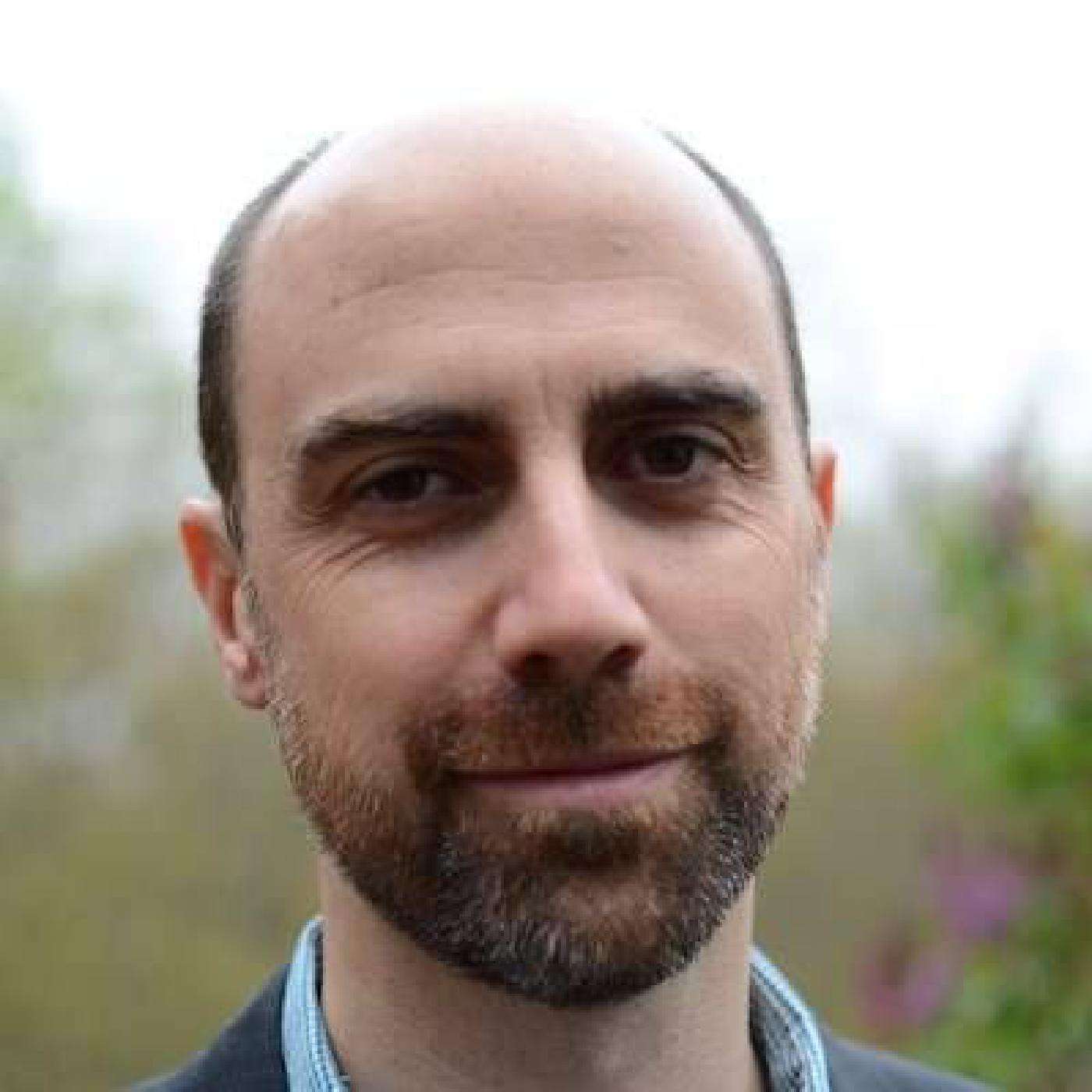
#31 - Allan Dafoe on defusing the political & economic risks posed by existing AI capabilities
About this episode
The debate around the impacts of artificial intelligence often centres on ‘superintelligence’ - a general intellect that is much smarter than the best humans, in practically every field.
But according to Allan Dafoe - Assistant Professor of Political Science at Yale University - even if we stopped at today's AI technology and simply collected more data, built more sensors, and added more computing capacity, extreme systemic risks could emerge, including:
* Mass labor displacement, unemployment, and inequality;
* The rise of a more oligopolistic global market structure, potentially moving us away from our liberal economic world order;
* Imagery intelligence and other mechanisms for revealing most of the ballistic missile-carrying submarines that countries rely on to be able to respond to nuclear attack;
* Ubiquitous sensors and algorithms that can identify individuals through face recognition, leading to universal surveillance;
* Autonomous weapons with an independent chain of command, making it easier for authoritarian regimes to violently suppress their citizens.
Allan is Co-Director of the Governance of AI Program, at the Future of Humanity Institute within Oxford University. His goals have been to understand the causes of world peace and stability, which in the past has meant studying why war has declined, the role of reputation and honor as drivers of war, and the motivations behind provocation in crisis escalation.
Full transcript, links to learn more, and summary of key points.
His current focus is helping humanity safely navigate the invention of advanced artificial intelligence.
I ask Allan:
* What are the distinctive characteristics of artificial intelligence from a political or international governance point of view?
* Is Allan’s work just a continuation of previous research on transformative technologies, like nuclear weapons?
* How can AI be well-governed?
* How should we think about the idea of arms races between companies or countries?
* What would you say to people skeptical about the importance of this topic?
* How urgently do we need to figure out solutions to these problems? When can we expect artificial intelligence to be dramatically better than today?
* What’s the most urgent questions to deal with in this field?
* What can people do if they want to get into the field?
* Is there anything unusual that people can look for in themselves to tell if they're a good fit to do this kind of research?
Get this episode by subscribing to our podcast on the world’s most pressing problems and how to solve them: search for '80,000 Hours' in your podcasting app.
The 80,000 Hours Podcast is produced by Keiran Harris.
Get every episode summarized
Each time 80,000 Hours Podcast publishes, we email you a written briefing from the transcript — the topics, who appeared, and any specific claims, with the ad reads skipped.
Email me new episodesFree for 3 shows. No card needed.
No transcript yet
This episode has not been transcribed. Request it and it moves to the front of the queue.
More episodes
More from 80,000 Hours Podcast

'Godfather of AI': I Now See a Path to Safe Superintelligent AI | Yoshua Bengio
80,000 Hours Podcast

'95% of AI Pilots Fail': The hidden agenda behind the viral stat that misled mil...
80,000 Hours Podcast

#242 – Will MacAskill on how we survive the 'intelligence explosion,' AI charact...
80,000 Hours Podcast

Risks from power-seeking AI systems (article narration by Zershaaneh Qureshi)
80,000 Hours Podcast