scienceJan 10, 202511:01pending
2024: HOTTEST Year on Record Exceeds 1.5°C Threshold
About this episode
2024: A Year of Record-Breaking Heat and Climate Impacts
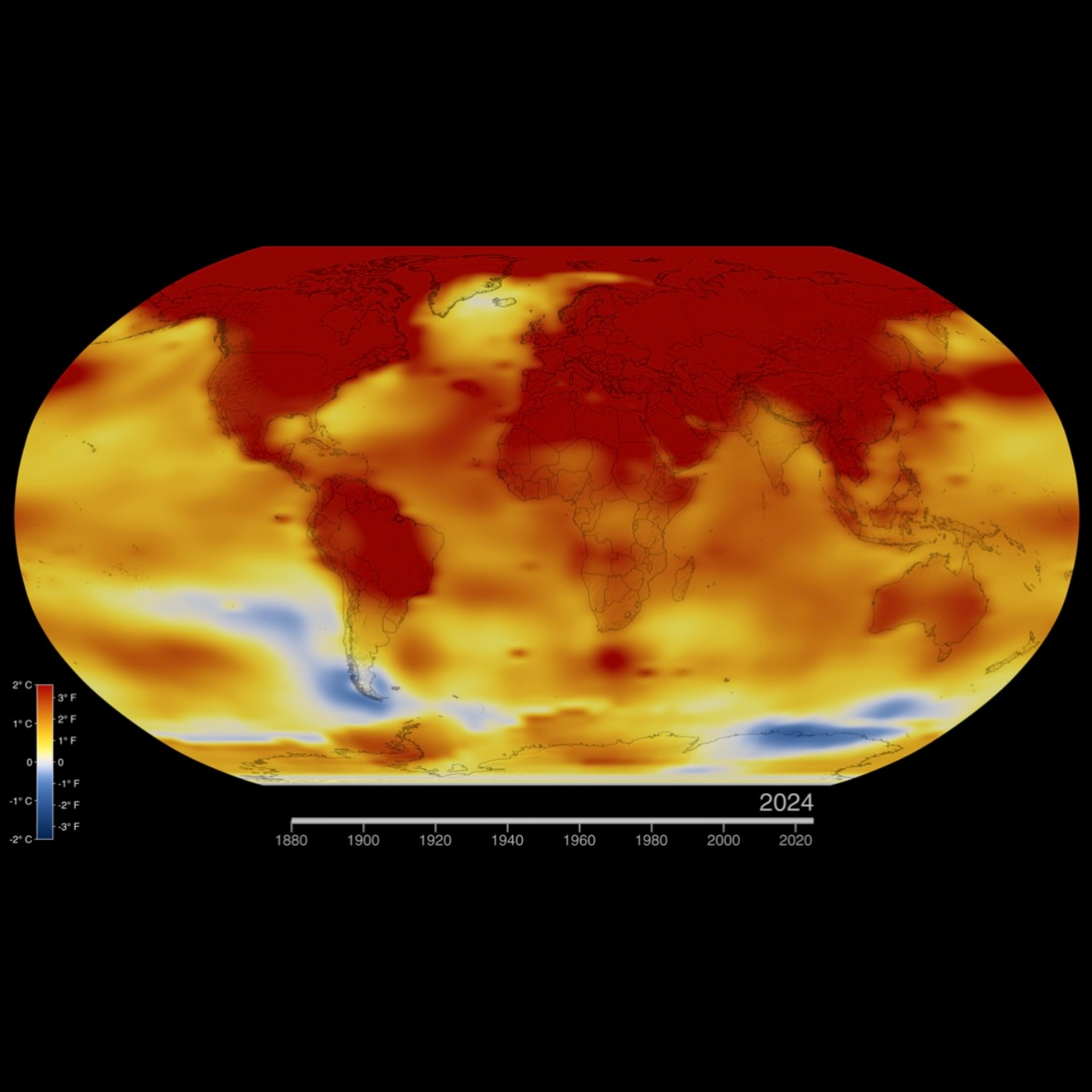
The overarching theme is clear: 2024 was the hottest year on record globally, exceeding the 1.5°C warming threshold outlined in the Paris Agreement for the first time and bringing a cascade of extreme weather events
- Record-breaking Temperatures: 2024 was the hottest year on record globally, surpassing 2023's record. Global temperatures were 1.6°C warmer than the pre-industrial level (1850-1900) according to Copernicus Climate Change Service (C3S), and 2.3°F warmer than NASA's 20th-century baseline (1951-1980) according to NASA's analysis. (Copernicus, NASA, UN, NPR, Al Jazeera)
- 1.5°C Threshold Exceeded: The global average temperature exceeded the 1.5°C warming threshold set by the Paris Agreement for the first time, although exceeding it in a single year does not mean the agreement has been breached. (Copernicus)
- Record Warmth Throughout the Year: Every month from January to June 2024 was warmer than the corresponding month in any previous year. July and August saw the hottest day and summer on record, respectively. (Copernicus, Al Jazeera)
- Warmest Decade on Record: The past 10 years
- Human Activities Driving Warming: Scientists attribute the warming trend to the release of heat-trapping greenhouse gases like carbon dioxide and methane from human activities, primarily the burning of fossil fuels. (NASA)
- Climate Change Impacts contributed to extreme weather events across the globe, including:
- Heat Waves: Extreme heat events were widespread, with many regions experiencing "strong" or even "extreme" heat stress.
- Floods: Heavy rainfall events caused widespread flooding, such as in Nigeria, Europe, and Australia.
- Wildfires: Prolonged dry conditions fueled devastating wildfires in Canada, South America, and other regions.
- Hurricanes: Warmer ocean temperatures intensified hurricane activity, with Hurricane Beryl in the Atlantic becoming the earliest Category 5 hurricane on record.
- El Niño: A strong El Niño event in 2023 Reduced Aerosol Emissions: Changes in shipping regulations led to a reduction in sulfate aerosols in the atmosphere
- Hunga Tonga-Hunga Ha'apai Volcanic Eruption: The 2022 volcanic eruption injected water vapor into the atmosphere
Get every episode summarized
Each time Meteorology Matters publishes, we email you a written briefing from the transcript — the topics, who appeared, and any specific claims, with the ad reads skipped.
Email me new episodesFree for 3 shows. No card needed.
No transcript yet
This episode has not been transcribed. Request it and it moves to the front of the queue.
More episodes
More from Meteorology Matters

“Will Hurricane Forecasts Get Worse? Inside the NOAA Budget Cuts
Meteorology Matters
Apr 13, 202632:47failed

Fired, Sued, and Still Forecasting: The Matt Devitt vs WINK News Battle
Meteorology Matters
Apr 4, 202637:38failed

“It Only Takes One”: Why 2026’s Hurricane Season Could Be Worse Than It Looks
Meteorology Matters
Mar 28, 202640:42failed

This Should NOT Be Happening in March… 112° Heat + Hawaii Flood Disaster
Meteorology Matters
Mar 21, 202638:28failed