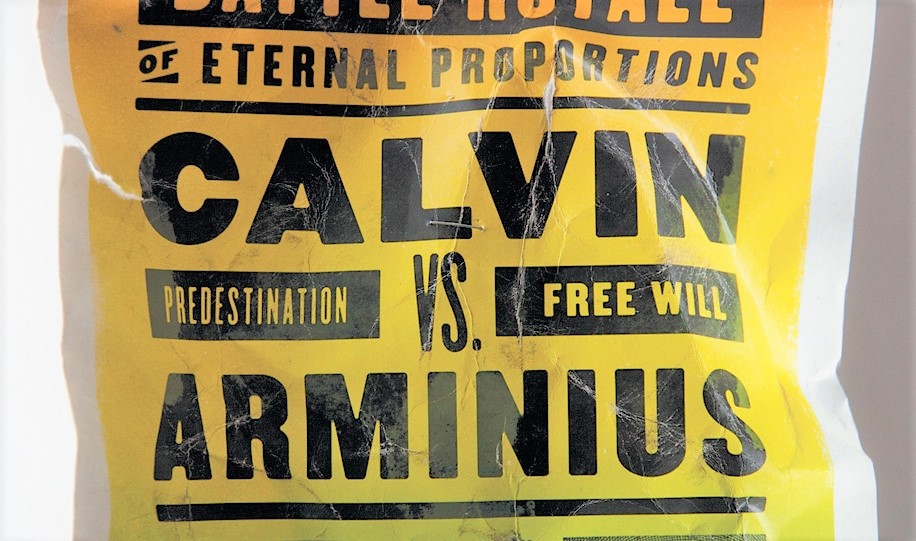
About this episode
This is part 1 of the Calvinism Debate
Today we begin an extended series on Calvinism and Arminianism. For those of you not familiar, Calvinism, named after John Calvin (d. 1564), holds that God sovereignly chooses and effectually saves all whom he decides to save based on his predestined will whereas Arminianism, named for Jacobus Arminius (d. 1609), asserts that people freely choose to accept or reject the gospel message that God graciously offers to all. Traditionally, Calvinism breaks into five major points, summarized by the acronym, TULIP, which stands for the following:
- Total Depravity
- Unconditional Election
- Limited Atonement
- Irresistible Grace
- Perseverance of the Saints
In this episode we begin by laying down the framework for future discussions. Subsequent episodes will each take up one of these five points of Calvinism.
Jacob Rohrer
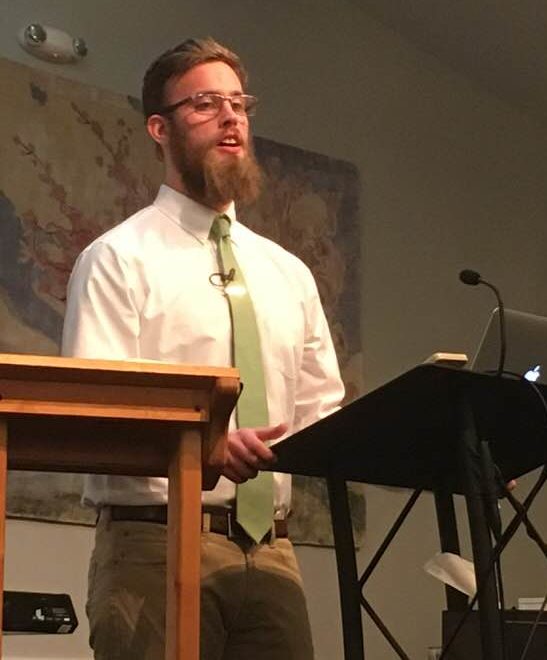
Holding the Arminian position is Jacob Rohrer, a graduate of the Atlanta Bible College. At the time of this recording he served as the Lead Worship Pastor of Living Hope Community Church in Latham, New York. Now he serves as the Assistant Pastor and Worship Leader at Lawrenceville Church of God in Springfield, Ohio.
Blake Cortright
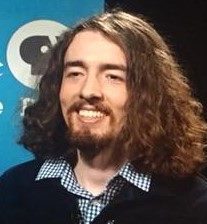
On the Calvinist side, Blake Cortright graduated from Regent University in Virginia. He serves in missions work to the Democratic Republic of the Congo and leads worship at Living Hope Community Church in Latham, New York. Cortright also wrote and directed The 46ers, a documentary about the high peaks in the Adirondacks of New York State.
Sean Finnegan is the moderator. He serves as the Associate Pastor at Living Hope Community Church and has degrees in theology (B.A., Atlanta Bible College) and church history (M.T.S., Boston University). You can find out more about Sean here.
Our aim in this initial episode is to briefly discuss the origins of Calvinism and Arminianism, as well as their predecessors. Additionally we urge listeners to have an open mind going forward, regardless of which side of the issue you are approaching it from. Don’t confuse the value of an idea with the person’s name associated with it (the genetic fallacy). Instead measure the theology against scripture, logic, and life experience. Pray and ask God to help you understand his book.
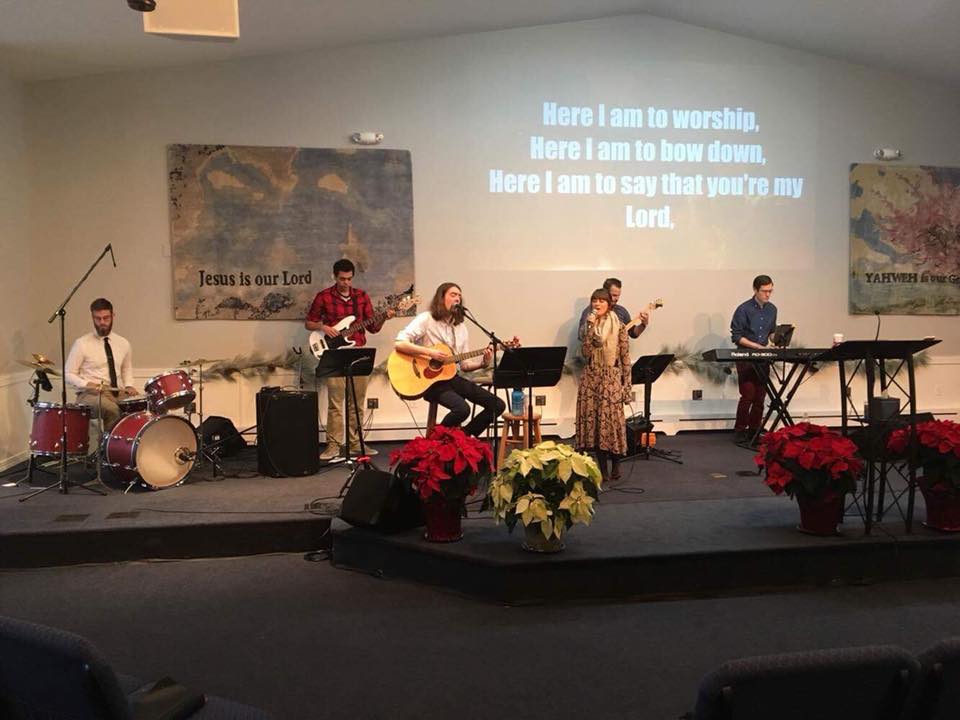
Here is proof that discussing deep theology and leading worship are not mutually exclusive. In this shot, Jacob is on the drums and Blake is playing guitar at Living Hope Community Church.
Subsequent episodes will be audio only and appear here each Thursday at 8pm EST, starting on May 31, 2018 and following.
—— Links ——
- See Jacob Roher’s interview on the gospel or watch his sermon, “How to Treat Other Christians.” His email is [email protected]
- See Blake Cortright’s podcast on spiritual disciplines as well as
Get every episode summarized
Each time Restitutio publishes, we email you a written briefing from the transcript — the topics, who appeared, and any specific claims, with the ad reads skipped.
Email me new episodesFree for 3 shows. No card needed.
Hosts & guests
No transcript yet
This episode has not been transcribed. Request it and it moves to the front of the queue.


More episodes
More from Restitutio

668. How I Got Clean from Heroin and Found God (Jody Rodriguez)
Restitutio
667. How God Healed Me from the Shame of Prostitution (Mina Hacker)
Restitutio
666. I Quit Weed and Video Games to Serve God (Jeremy Martin)
Restitutio
665. Why I’m Starting a Church in Texas (Alex Ticer)
Restitutio