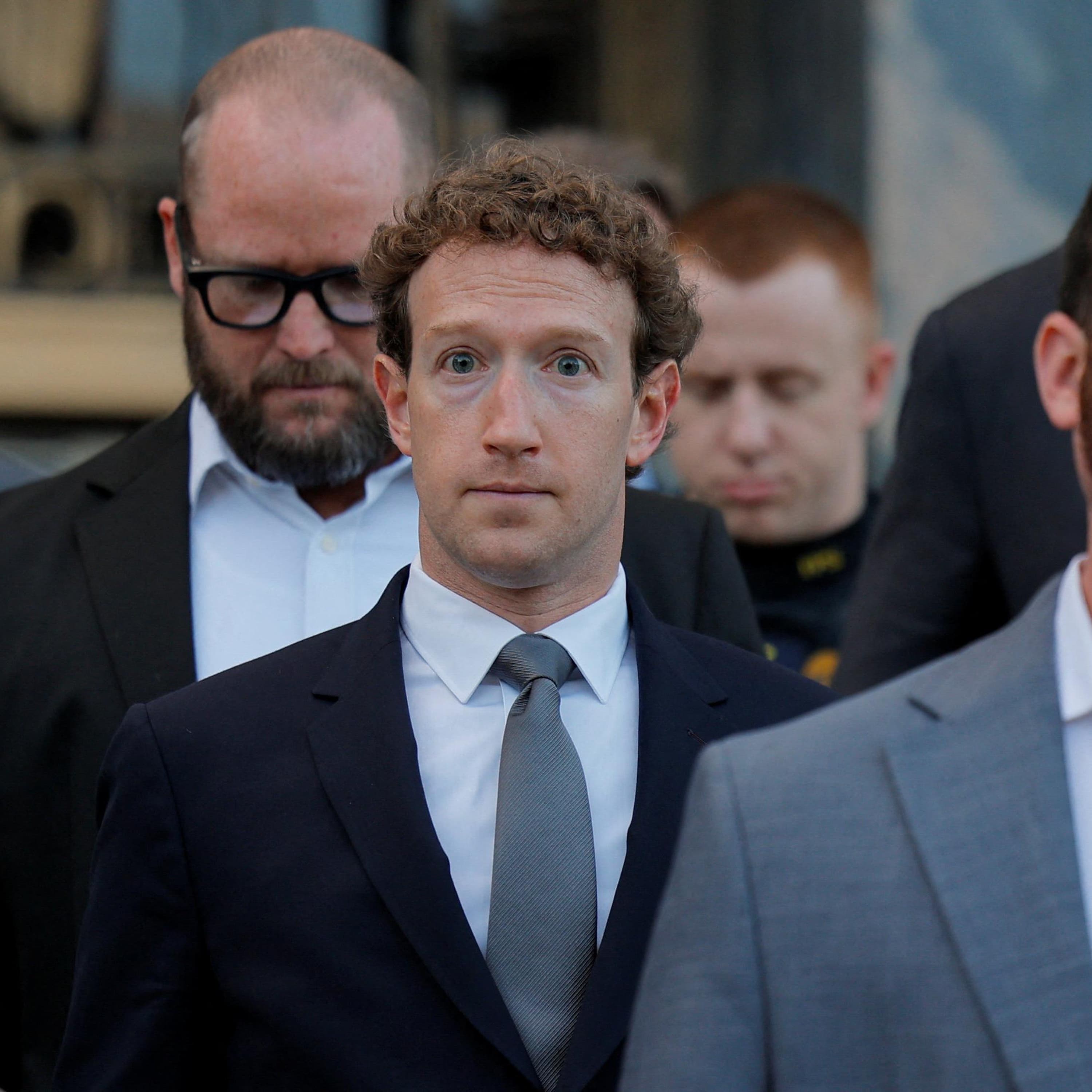
About this episode
Today in Focus is made possible by:
Interactive timestamps
Jump to segmentGet every episode summarized
Each time Today in Focus publishes, we email you a written briefing from the transcript — the topics, who appeared, and any specific claims, with the ad reads skipped.
Email me new episodesFree for 3 shows. No card needed.
Hosts & guests

Transcript ready
282 searchable segments. Every word is indexed and playable.
Full transcript
Today in Focus — Why Meta started losing in court. Machine-transcribed; use the interactive transcript above to jump the player to any line.
0:00This is the Guardian. Today, could Meta's legal headaches mean the end of social media as we know it? Your call has been forwarded to an automatic voice message system. A missed call doesn't feel like anything. No red flag, no notification screaming at you, it just disappears into your call log. And nine times out of ten, that was someone ready to hand you money. That's why today's episode is brought to you by Quo, spelled Q-U-O. The business phone system built so you never miss a call. Here's what I like about it. All your calls, texts, and voice mails live in one place, so anyone on your team can pick up a conversation, see the full history, and respond fast. No more, wait, who talked to this customer last? And if you're worried about after hours lead slipping through, Quo's optional built-in AI
1:01agent can answer questions and even book appointments while your team's offline. It's the number one rated business phone system on G2, and over 90,000 businesses already trusted to stay reachable. Money is on the line. Always say hello with Quo. Try Quo for free. Plus get 20% off your first six months when you go to Quo.com slash tech. That's Q-U-O.com slash tech. Like billions of people around the world, over the past five years, journalist Katie McEw has spent a lot of time on Facebook and Instagram. But instead of seeking out the usual dopamine hits of FOMO over your neighbor's summer holidays or get ready with me videos, Katie has been investigating the darker edges of these social media platforms. The last five years or so I have been reporting on issues related to meta and child
2:02safety and child sex trafficking that's taken place using the platforms. And over these five years, Katie, along with many other journalists, campaigners, parents and prosecutors, has uncovered mountains of evidence about the potential risks that meta platforms pose to children. Yet for decades, all attempts to hold the company responsible for this in court have failed. They've not been held to account for activities that have been facilitated on their platforms. These companies are out there huge and they've been able to develop in a certain way to capture as many users as possible. But now this could be changing. So what could prove to be a bell weather case for meta and other social media companies? 29 US states have sued the big tech giant, the argue meta design its platforms to be addictive, much like cigarettes. From a business perspective, this is a big tobacco moment for big tech in America.
3:07And it is time that the public see what the executives at meta have known all along that their product. This year meta has faced three major legal battles over child safety. And just a few weeks ago, the company agreed to settle a huge federal case brought by multiple US states. It could pay up to $18 billion dollars. And crucially has agreed to make significant changes to the way that children and young people can access its social media and messaging apps. And for Katie, this has all come as a huge shock. I was particularly surprised to see this settlement last month because up until then just in response to reporting but also in response to the other trials meta has always denied any wrongdoing and they've always maintained that they are doing their best to protect children on their platforms. So are we on the brink of a new era of reckoning for meta and other
4:09tech companies? From the Guardian, I'm Annie Kelly. Today in focus, could the wheel of justice finally be turning against meta? One day I got a tip from a source that meta's platforms were being used by child sex traffickers to advertise by and sell children. For years, journalist Katie McEw investigated human trafficking around the world for the Guardian and other publications. In 2021, she was contacted by prosecutors in the US who were concerned that they couldn't get meta to cooperate in helping them investigate evidence that they believed showed that children were being trafficked for sex on meta's social media platforms. She began to dig into what was going on. And for two years Katie and I, along with another journalist, Mailing McNamara worked on an investigation into how meta platforms, in particular Facebook and
5:12Instagram, were effectively working as marketplaces for child sex trafficking in the United States. Reporting the story was complex and it involved Katie spending weeks trawling through hundreds of court documents of sex trafficking trials involving children. One thing that emerged from the pandemic was a lot of human trafficking and including child sex trafficking went online. And there was an explosion of this activity on special and social media platforms and especially on platforms that a lot of people write a lily use and access such as Facebook and Instagram. I found Facebook Messenger exchange that was answered into evidence that discussed the potential sale of three girls. I think there are age between 12 and 15, four sex and so literally the conversation was between a buyer and a seller saying how much for this one, how much for this one and the conversation ended in the evidence with the buyer messaging from a motel room saying,
6:13we're done, you can pick her up essentially. And that was one of the first times where it really hit home how serious these crimes are and what's taking place on this platform on Facebook Messenger at the time. This was almost four years ago that we did this investigation. At the time we published Meta denied any wrongdoing. It said it was doing everything it could to keep crimes like human trafficking off its platforms and also to keep children safe. But you know for a long time now, Meta and other social media companies have been presented with evidence like this of how children have been harmed and really negatively impacted by their social media platforms. You know not just by terrible crimes like sexual exploitation but by other things like bullying, addiction, being fed self harm and anorexia materials, you know the list goes on. And we've also seen you know extraordinary scenes of Mark Zuckerberg being confronted by parents holding up posters of
7:18their dead children in Congress. Mr Zuckerberg, you and the companies before us, I know you don't mean it to be so but you have blood on your hands. You have a product. You have a product that's killing people. Yeah, I was there at that senate hearing. Show them the pictures. Would you like to apologize for what you've done to these good people? And I spoke to you many of those parents that were holding up those signs and just the frustration and the pain in that room was palpable. And this is why we invest so much and are going to continue doing industry leading efforts to make sure that no one has to go through the types of things that your families have had to suffer. Only a few years ago now, matter and other social media companies in the US seemed untouchable. Why is it that up until now, these companies have never
8:23faced any kind of legal reckoning? So in the US there is a law called Section 230 that was passed in 1996 when the internet was still in its infancy and that law aimed to protect internet service providers from being liable for content that was published on their platforms. I've seen this law was passed way before social media was even in existence. So a lot of critics have campaigned that it's not for purpose anymore. But what it did do was create a liability shield that companies could invoke to if there was any challenge to anything that's taken place on their platforms. And Section 230 is kind of wild, isn't it? I mean, I think it's so significant. It's even been called the Section 230, the 26 words that created the internet because it essentially was put in place to try and protect this burgeoning tech industry from being stifled by litigation. But it's just the way that companies have been able to successfully argue that the way that
9:25Section 230 is phrased gives them almost blanket immunity from anything that's published on their platforms. But they are not a publisher, they're just a platform and so anything posted by a third party they cannot face prosecution from. I mean, that's essentially the way it's played out, right? Yeah, exactly. So between Section 230 and also arguing first amendment free speech rights companies have successfully avoided any kind of legal action up until quite recently. But earlier this year, we've seen something shift a bit haven't we? Because meta did finally find itself in front of a jury in this trial in New Mexico, where our guardian investigation was actually cited. What was different about the approach taken by prosecutors in this case compared to what
10:26had come before? Yeah, this case is very, very interesting and it began in February and this was a case that was brought by the New Mexico Attorney General's office. The lawsuit, accusing the company of enabling child sexual exploitation on the platforms, meta violating then New Mexico's consumer protection law. And what it did was instead of looking at the harms that were published on the platforms, it looked at the design features on Facebook and Instagram that facilitated these harms. And the harms that were the focus of the trial included child sexual exploitation, the publication of child sexual abuse imagery and also the addictive features that impact children's mental health on these platforms. And the design features include things like the people you may know, functions that bring possibly adults into contact with children that they don't know. The ability for stranger adults to contact children via direct
11:28messages, infinite scroll to keep users on the platform, making it more addictive, push notifications, and a vast amount of other design issues that were discussed during this trial. And so what this trial did was not look at the publication of certain harmful material, but look at the way that these platforms are designed, maybe facilitating these harms and these crimes. They were essentially circumnavigating section 230 in the community that companies had established under that clause. So they were basically pivoting from you've got content on your platforms that potentially harm children to you have created a product that enables this content to reach children. Yeah, you've created a product that allows this to happen or facilitates these harms. When I was thinking about this, I was thinking it's almost like prosecutors are kind of dug a tunnel and approach it from a different way. Yeah, they've definitely found an angle that it seems to be that that angle is now being replicated in other cases. Mehta did try to argue section 230
12:33and first amendment rights in the various hearings leading up to the trial. So that was something that they did try to do, but in this case did not work. This was the first case where Mehta was subjected to a jury trial. You were there covering it for the Guardian. How did this whole thing play out? It was so interesting because internal emails was a huge part of the prosecution's case. And what they showed is in a lot of cases the companies that the senior staff members did know a lot about the harms that were taking place in that platform. The jurors of study conducted by Mehta titled, the young ones are the best ones accusing the company of exploiting the vulnerabilities of its youngest users in order to encourage compulsive use under 18 time spent companywide initiative for Instagram and operation that lawyers described as hook, hold, harvest and hide. They called the former. There were other warnings about teen mental health. People were discussing these
13:36in emails and it was so interesting to see a lot of the issues that we've been reporting about that we'd faced a lot of pushback from the company during the the right to reply process. Just laid out there in black and white and we did hear testimony in person from the head of Instagram Adam Masari and the general message from him and also there was testimony from Mark Zuckerberg that was played and taped testimony was that obviously they care a lot about child safety on their platforms but the platforms are so big that some of these harms are inevitable. But in that case it turns out the judge didn't agree right so tell me what happened in that judgment. In that judgment in New Mexico which came in in March the judge found that Mehta had misled its consumers over the safety of its products and that it had failed to notify its consumers about the harms. Those products could be facilitating including child sex trafficking and child
14:40section of abuse and making news just into us everybody. A jury in New Mexico deciding social media giant Mehta violated state law there in this landmark lawsuit over child sexual exploitation and user safety ordering Mehta to pay $375 million. Prosecutors had argued that Mehta which owns Instagram Facebook and WhatsApp prioritized profits and failed to safeguard young users against child predators. Mehta says it will appeal. But this child was a part of two phases and then in May the next phase of the trial initiated and the judge's ruling came in. Mehta and New Mexico has now been fined a total of $942 million and they are required to implement certain design alterations their platforms which New Mexico says will make those platforms safer for children. The judgment was so strong wasn't it? Basically the judge saying that that Mehta was found to have kind of violated New Mexico's laws by essentially steering young users towards harmful content
15:47and contacts and designing features that were knowingly harmful. Despite all of the evidence that was presented in the trial I still found it quite shocking. This was the first jury trial that Mehta had lost and soon after there was another ruling in a case in California. Plaintiff identified by her initials KGM is now 20 years old. She was just a young child when she began using Instagram and YouTube. She says her addiction to the platforms exacerbated depression and suicidal thoughts. The boss of Mehta Mark Zuckerberg has taken the stand in a landmark court case in Los Angeles to face accusations that his company's social media platforms calls addiction. It's the first time that the billionaire founder of Facebook has testified in court about Instagram's effect on the mental health of young users. They lost two trials in the space of I think it was one week. Family is crying tears of joy outside a Los Angeles courthouse today after a jury returned
16:48to historic verdict against tech giants Mehta and YouTube. Big tech your gig is over. In a first of its kind case. It focused on one victim the claims were that the platforms were addictive and it created mental health implications that were ongoing for her and the jury found Mehta liable in that trial as well. You know now there's been a third legal case that Mehta has been fighting this year. This time big federal case including many different states across the US that were taking legal action against Mehta. So this trial wasn't about mental health harms or sexual exploitation specifically. It was more about how addictive these products that they've created are that's right isn't it? Yeah addictive
17:50and harmful to children that's what the prosecutor said. So features that included filters that could alter children's faces to make it look like they've had plastic surgery which obviously has body image implications. Other features like doom scrolling and infinite scroll so children can refresh their feed consistently looking for new information and things that mean that they are kind of addicted to the platform push notifications so that maybe they don't have the apps open but there are notifications flashing up on the screen information related to likes and things like that that are particularly important to children that children may be sensitive to that may be creating mental health issues amongst some children and maybe lasting mental health issues. So again it's that is that pivot isn't it to prosecutors arguing that these platforms are are kind of defective and dangerous and facilitating harm but not actually focusing on the content that's creating that harm to children directly. Yeah these arguments that these prosecutors
18:55are putting forward is that these platforms are designed in certain ways that increase user time make people addicted and possibly bring into contact children with strange adults that they do not know that may be looking to enact some harm on them. You know one thing that really struck me about this most recent case you know it was just the scale of it right I mean I think it was initially jointly filed by 29 states you know it was huge wasn't it. This was the biggest case that matters over faced and potentially they the company themselves said that it could have been on the hook for a much larger penalty than they ended up paying in the settlement so it could have gone to $1.4 trillion which is about the market cap of the company so the company potentially faced an existential threat. Okay. If they really lost this case. At the beginning they claimed they
19:56would fight it right through to the bitter end but that didn't happen did it what ended up happening. Yeah a little while into the case Meta came to the table and a settlement was agreed. The global tech giant Meta has agreed to pay up to $18 billion in a landmark settlement. The most substantial provisions of the settlement though are not financial but a long list of new safeguards for young people. It's surprising in a way that Meta agreed to a settlement because of the messaging that they've put out for years and they're very defensive stance after the New Mexico cases that they would be appealing. These cases they didn't agree with these rulings or that the jury's verdict. So to come to the table in this case quite early on in the trial was quite surprising because they came to the table and agreed to a settlement. I think they also had input in what safety features they could possibly implement so they had a role in that
20:56discussion instead of that just being imposed on them by the judge. And what were those features that they agreed to change? So it has agreed to limit children to using its platforms for only two hours per day only. Night time blocking so that there will be mechanisms so that children can't access Facebook and Instagram between certain hours at night time. Like count changes so children can't obviously the amount of likes that they're post-gats which is an issue related to child mental health. The strict removal of accounts for users under the age of 13 was another and school mode is something that they've asked for which is restrictions of use of these platforms within school hours. You know I mean they're pretty significant changes aren't they? This is the first time that Meta has agreed to make meaningful changes to how their platforms operate though is significant that this settlement only applies to children and teenagers in the US.
22:00And even in the US this settlement has come in for criticism. I saw that the prosecution star witness who was an ex-Facebook employee at Toro Becha saying that the settlement didn't go far enough. It was really interesting what he said. I think he said something like you can smoke as many cigarettes as you can in two hours a day. It doesn't make cigarettes any safer. What did you think of that? Did you agree with that sentiment? I think our reporting shows that a lot of damage can still be done with two hours of access to Facebook and Instagram in its current form. This emphasis on parental controls and parents having a say in how their children use these apps. Well in our reporting the most vulnerable children maybe don't have active parents in their lives. So a lot of the victims that we saw of child sex trafficking that had been trafficked in some way using these platforms they were in the welfare system, they're in foster care maybe they had parents that weren't so active in their lives or maybe didn't have the abilities to
23:06implement these controls. So from our reporting it still looks like the most vulnerable children will slip through the net in some of these instances. Coming up, why did Meta's stock price go up after agreed to pay out $18 billion? Your call has been forwarded to an automatic voice message system. A missed call doesn't feel like anything. No red flag, no notification screaming at you, it just disappears into your call log. And nine times out of ten that was someone ready to hand you money. That's why today's episode is brought to you by Quo, spelled QUO. The business phone system built so you never miss a call. Here's what I like about it. All your calls, texts and voicemails live in one place. So anyone on your team can pick up a conversation, see the full history
24:09and respond fast. No more, wait who talked to this customer last? And if you're worried about after hours leads slipping through, Quo's optional built-in AI agent can answer questions and even book appointments while your team's offline. It's the number one rated business phone system on G2 and over 90,000 businesses already trusted to stay reachable. Money is on the line. Always say hello with Quo. Try Quo for free. Plus get 20% off your first six months when you go to Quo.com slash tech. That's QUO.com slash tech. This message comes from Jackson. Taxes aren't something you can only think about once a year. With investments, planning for tax days year round. Fortunately, Jackson offers tax-efficient products. Visit jaxon.com for more information on how our products can make your tax bill a little bit less painful. Jackson is short for Jackson Financial Incorporated, Jackson National Life Insurance Company Lansing, Michigan, and Jackson National Life Insurance Company of New York. Purchase New York. He looked at me and he said, if something ever happens to me, release the AI.
25:20Your husband goes down an AI rabbit hole. How do you pull him out? I just can't ask myself what is happening. Black box, the chatbots, a new series from the Guardian Investigates about the strange things happening between AI and us. The whole series is out right now. Search for black box wherever you get your podcasts. Another sidebar of this settlement is that meta doesn't have to accept responsibility for any of the charges it was facing. This fine is a big amount of money, but it's value I think stands at something like $1.45 trillion. Is there a concern that they could just potentially endlessly settle these court cases that they're coming up against without having to make really significant changes to their platforms that will make really significant improvements for people? I'm not sure, but one thing I would like to highlight with this settlement is after it was announced,
26:24matters share price went up. Meta ended Wednesdays session up over 1% investors have kind of relieved the companies only going to pay as much as $18 billion. If they had lost at trial in this landmark case, they would have faced over a trillion with a T dollars in penalties. But there are many more cases coming down the pipeline. From school districts, probably other states, but they're probably facing many more lawsuits going forward. I'd assume if those cases reach court, so maybe this is the start of a process and further rulings will come with further requirements. As someone who's been deep in this world for many years, do you feel it's fair to say that this year it has finally been the time that Meta is beginning to be made accountable for
27:26the stuff that's happening on its platforms? Yeah, I think this year we've seen the first signs of accountability for Meta and potentially other social media platforms as well. I feel like the public in general consumers are more aware of these potential harms that people say these platforms can exacerbate or create this is yeah, possibly a watershed moment. People have their eyes on this now, whereas before I feel like when we did start doing this reporting, a lot of these issues were not really well known. Katie, I hope you keep reporting on this, your journalism has been so brilliant over the years and thank you so much for talking to us today. Thank you so much, Jenny. That was Katie McEw and you can read all of her reporting she's done on Meta for the Guardian at the Guardian.com. And that's it for today. This episode was produced by Ruth Aberhands and Guy Zafman and presented by me Annie Kelly. Sound Design was by Brian McNamara and the executive
28:27producers were Sami Kent and Alex A. Tak and we will be back later on today with the latest. This is the Guardian. This message comes from Jackson. Taxes aren't something you can only think about once a year with investments planning for tax days year round. Fortunately Jackson offers tax efficient products. Visit Jackson.com for more information on how our products can make your tax bill a little bit less painful. Jackson is short for Jackson Financial Incorporated, Jackson National Life Insurance Company Lansing, Michigan and Jackson National Life Insurance Company of New York. Purchase New York. Business is booming. Is your fulfillment ready for peak season? Switch to shipstation now and handle more volume with confidence when accounts. Shipstation connects Shopify, Amazon, TikTok Shop and over 200 more integrations with one platform that does it all. You can manage orders,
29:29sink inventory, track returns, all automatically. Everything your operation needs all in one place. Right now, qualified shippers get a real dedicated person to get you set up and switched over for free. So when peak season hits, you're ready to go. Switch today at shipstation.com, code audio. Every next move starts with being prepared because tomorrow brings opportunity and opportunity brings new risks. Meet your next project prepared with experienced professionals who know your industry. Meet new markets prepared with one of the industry's largest global networks. Meet change, prepared with a dedicated team helping businesses move forward with confidence. Meet tomorrow prepared with Zurich Insurance.
More episodes
More from Today in Focus

Gloria Steinem’s revolutionary life
Today in Focus

‘Thuggish’ far-right protesters descend on Dover and Portsmouth – The Latest
Today in Focus

Black Box: The Chatbots | Spirals | Ep 1
Today in Focus

Reform donations scandal: the final blow for Farage? – The Latest
Today in Focus