Loading...
businesscareersentrepreneurship
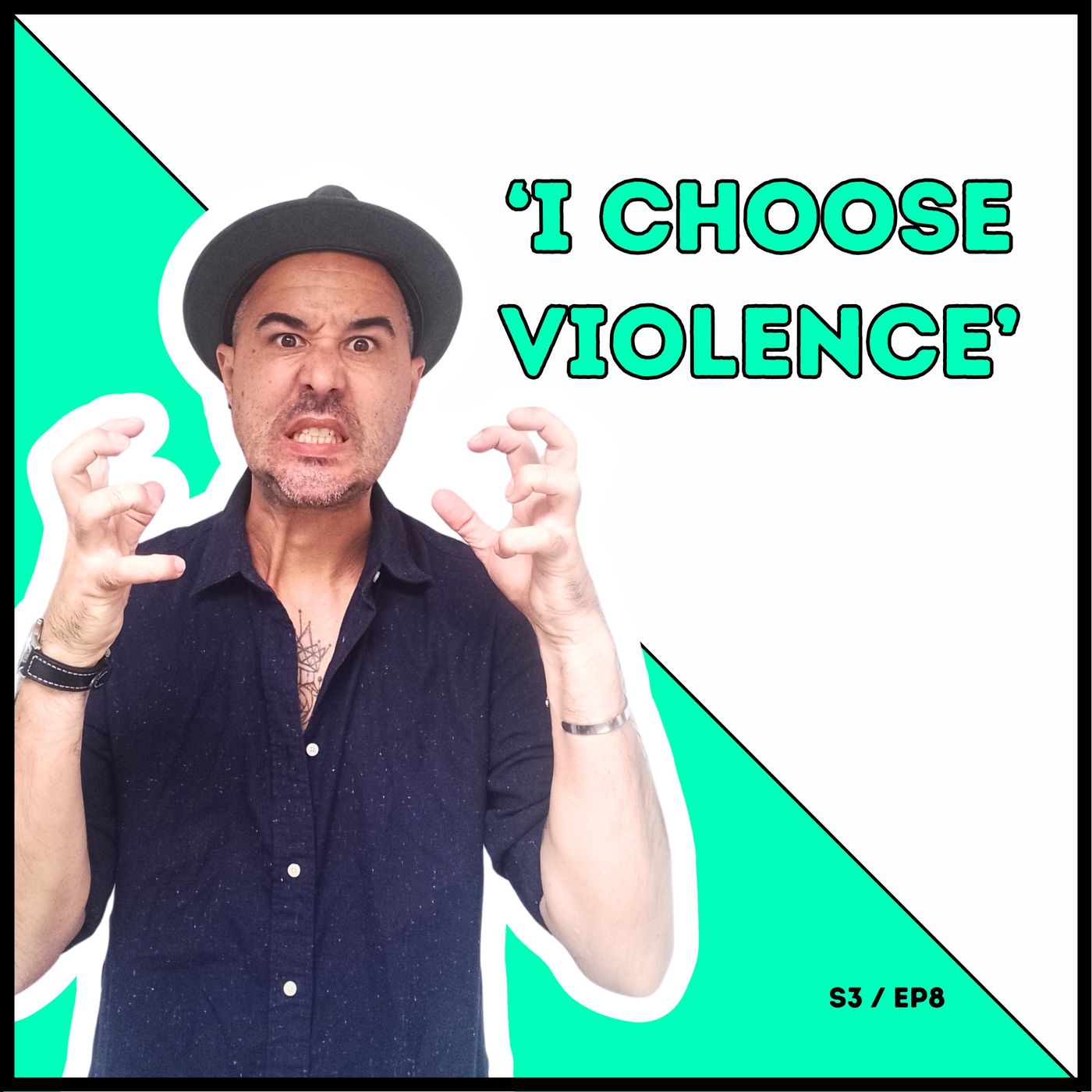
When to Choose Violence
About this Episode
Violence is never the answer... but sometimes, it is.
We asked ex-military and professional security specialist, Tyler Schmoker when we should choose violence and discuss the consequences.
________________
Remember, you can get exclusive episodes every month at CAMP MISFIT - patreon.com/ProfessionalMisfits
________________
DIY podcast resources: https://www.promisfitspodcast.com/podcast
Professional Misfit services: https://www.promisfitspodcast.com/services
Merch'... swag... subliminal propaganda here: https://www.promisfitspodcast.com/store
__________________
Summary:
The conversation explores the topic of violence and its various aspects. The Misfits discuss the definition of violence and whether it is a necessary evil. They also delve into the role of training and skill in violence, as well as the biological and genetic factors that may contribute to violent tendencies.
The conversation touches on the glorification of violence in society and the importance of ethics and responsibility when it comes to violence. The concept of a warrior culture and the pursuit of excellence are also explored. This conversation explores the concept of violence and its impact on individuals, particularly those with military experience.
The discussion delves into the fear and realities of violence, the transition from military to civilian life, and the commercialization of the poet warrior image. The psychological impact of violence, especially from a woman's perspective, is also examined. Personal experiences with violence are shared, highlighting the physical and psychological effects.
The conversation concludes with insights on de-escalation, the language of violence, and strategies for surviving as an outsider.
Takeaways:
- Violence can be seen as a necessary evil in certain situations, such as self-defense or protecting others.
- Training and skill play a significant role in the appropriate use of violence and can help mitigate unnecessary harm.
- Biological and genetic factors may contribute to violent tendencies, but they do not excuse or justify violent behavior.
- The glorification of violence in society can have negative consequences and should be critically examined.
- The pursuit of excellence and the development of skills can help individuals navigate and understand violence in a responsible manner.
Chapters:
00:00 - Introduction and Setting
05:29 - Defining Violence
07:56 - Is Violence a Necessary Evil?
10:51 - Violence as a Skill
13:30 - Personal Experiences with Violence
19:36 - Biological Factors and Violence
22:21 - Violence and Gender
27:23 - Nature vs. Nurture: Violence and Genetics
32:13 - Ethics and Responsibility in Violence
36:20 - The Glorification of Violence
40:25 - The Pursuit of Excellence
44:06 - The Transition from Military to Civilian Life
45:01 - Embracing the Poet Warrior Mentality
48:03 - The Impact of Violence on Mental Health
49:22 - The Perception of Violence from a Woman's Perspective
52:16 - The Language of Violence
55:03 - The Physical and Psychological Effects of Violence
58:15 - De-escalation and Confrontation
01:02:15 - Violence as a Language
01:03:44 - Surviving as an Outsider
#ProfessionalMisfits #Misfits #Podcast #Podcaster #Podcasting #Truth #Authenticity #Creatives #Podcastlife #NewPodcast #Australia #UnitedStates #TwoMisfits #Misfit #DeepThoughts #Purpose #Motivation #Humor #Comedy #Life #UpcomingPodcast #School #Honesty #Support #DigitalAge #RealConversations #Friendship #Vulnerability #Detour #Life #Outsider #Emotions #Education #Australian #Income #Culture #Society #ProfessionalMisfitsPodcast
We asked ex-military and professional security specialist, Tyler Schmoker when we should choose violence and discuss the consequences.
________________
Remember, you can get exclusive episodes every month at CAMP MISFIT - patreon.com/ProfessionalMisfits
________________
DIY podcast resources: https://www.promisfitspodcast.com/podcast
Professional Misfit services: https://www.promisfitspodcast.com/services
Merch'... swag... subliminal propaganda here: https://www.promisfitspodcast.com/store
__________________
Summary:
The conversation explores the topic of violence and its various aspects. The Misfits discuss the definition of violence and whether it is a necessary evil. They also delve into the role of training and skill in violence, as well as the biological and genetic factors that may contribute to violent tendencies.
The conversation touches on the glorification of violence in society and the importance of ethics and responsibility when it comes to violence. The concept of a warrior culture and the pursuit of excellence are also explored. This conversation explores the concept of violence and its impact on individuals, particularly those with military experience.
The discussion delves into the fear and realities of violence, the transition from military to civilian life, and the commercialization of the poet warrior image. The psychological impact of violence, especially from a woman's perspective, is also examined. Personal experiences with violence are shared, highlighting the physical and psychological effects.
The conversation concludes with insights on de-escalation, the language of violence, and strategies for surviving as an outsider.
Takeaways:
- Violence can be seen as a necessary evil in certain situations, such as self-defense or protecting others.
- Training and skill play a significant role in the appropriate use of violence and can help mitigate unnecessary harm.
- Biological and genetic factors may contribute to violent tendencies, but they do not excuse or justify violent behavior.
- The glorification of violence in society can have negative consequences and should be critically examined.
- The pursuit of excellence and the development of skills can help individuals navigate and understand violence in a responsible manner.
Chapters:
00:00 - Introduction and Setting
05:29 - Defining Violence
07:56 - Is Violence a Necessary Evil?
10:51 - Violence as a Skill
13:30 - Personal Experiences with Violence
19:36 - Biological Factors and Violence
22:21 - Violence and Gender
27:23 - Nature vs. Nurture: Violence and Genetics
32:13 - Ethics and Responsibility in Violence
36:20 - The Glorification of Violence
40:25 - The Pursuit of Excellence
44:06 - The Transition from Military to Civilian Life
45:01 - Embracing the Poet Warrior Mentality
48:03 - The Impact of Violence on Mental Health
49:22 - The Perception of Violence from a Woman's Perspective
52:16 - The Language of Violence
55:03 - The Physical and Psychological Effects of Violence
58:15 - De-escalation and Confrontation
01:02:15 - Violence as a Language
01:03:44 - Surviving as an Outsider
#ProfessionalMisfits #Misfits #Podcast #Podcaster #Podcasting #Truth #Authenticity #Creatives #Podcastlife #NewPodcast #Australia #UnitedStates #TwoMisfits #Misfit #DeepThoughts #Purpose #Motivation #Humor #Comedy #Life #UpcomingPodcast #School #Honesty #Support #DigitalAge #RealConversations #Friendship #Vulnerability #Detour #Life #Outsider #Emotions #Education #Australian #Income #Culture #Society #ProfessionalMisfitsPodcast
Hosts & Guests
No transcript available for this episode.


