About this episode
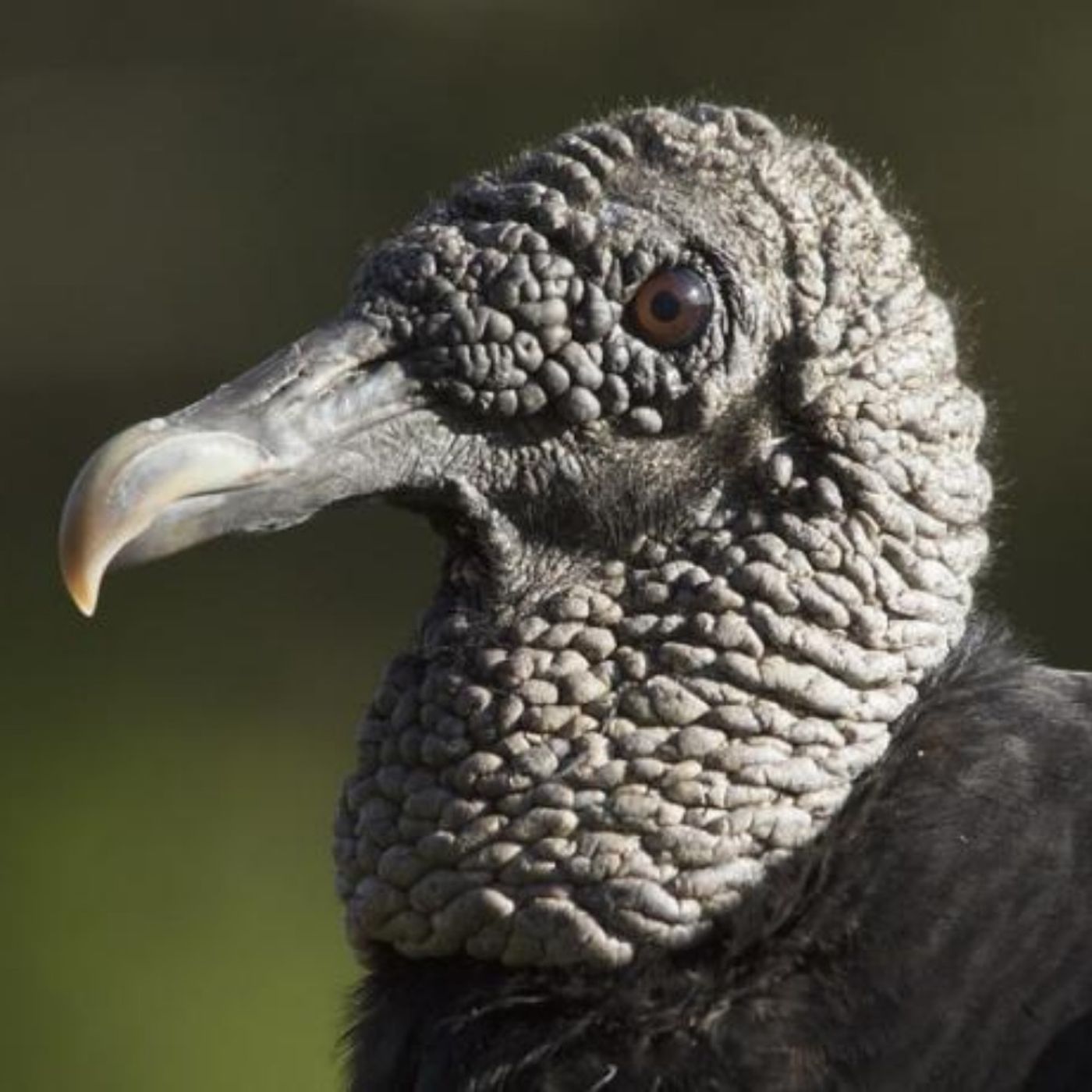
Circling silently above the earth on broad, black wings, vultures need little introduction. We know them as nature's clean-up crew, dining on dead and decaying animals. A unique range of adaptations allows vultures such as this Black Vulture to feast on food that’s off limits for many other organisms. Vultures also appear to have a remarkable immune system. For them, and for many other organisms, one key to understanding their place in nature is understanding their relationship with other elements in their environment.
More info and transcript at BirdNote.org.
Want more BirdNote? Subscribe to our weekly newsletter. Sign up for BirdNote+ to get ad-free listening and other perks.
BirdNote is a nonprofit. Your tax-deductible gift makes these shows possible.
Hosted by Simplecast, an AdsWizz company. See pcm.adswizz.com for information about our collection and use of personal data for advertising.
Get every episode summarized
Each time BirdNote Daily publishes, we email you a written briefing from the transcript — the topics, who appeared, and any specific claims, with the ad reads skipped.
Email me new episodesFree for 3 shows. No card needed.
Hosts & guests
Transcript ready
55 searchable segments. Every word is indexed and playable.
Full transcript
BirdNote Daily — The Vulture's Iron Stomach. Machine-transcribed; use the interactive transcript above to jump the player to any line.
Would you like to maximize bird habitat in your yard and create welcoming, healthy, and toxic free landscapes that benefit birds, your family, and the Earth? Join our friends at Growing Greener and Perfect Earth Project for weekly conversations with gardening experts who are working and living in harmony with nature. They share the many fun and beautiful ways we can boost biodiversity in our landscapes. Listen to Growing Greener anywhere you get your podcasts. This is Bird Note. Circling silently above the Earth on broad, black wings, vultures need little introduction. We know them as nature's cleanup crew, dining undead and decaying animals. A unique range of adaptations means they can feast on what's off limits for many other organisms. By the time vultures make a meal of carrion, bacteria have already started the process
of breaking down the carcass. This releases chemicals that are toxic for most creatures, but not the vulture. Like us, they have bacteria on their skin and faces and in their intestines, but theirs are heavy duty. Flesh eating fuzo bacteria and highly toxic close stridia to name but two. Once the dead flesh is ingested, immensely powerful acids in the vulture's gut begin digesting the flesh so thoroughly that they even destroy the prey's DNA. But this dynamic digestive system destroys only some toxic microbes. It filters out others and concentrates them in the intestines. Vulture's not only tolerate this deadly bacterial brew, but appear to put it to work, extracting nutrients from food. In other words, they use bacteria from the food they eat to help them digest the food they eat.
For bird note, on Michael Stein. Bird note is supported by wild-delight bird food. Wild-delight provides thoughtfully crafted blends that support wild birds and backyard birders alike. Anyone who feeds birds knows the challenge. Squirrels are clever, persistent, and always nearby. Wild-delight, sizzle and heat, and squirrel away zero waste blends offer a smart and natural solution. Nut and seed mixes coated with spicy peppers that deter squirrels. The result? Fewer feeder aides and more food for the birds. Shop these hot blends and other wild-delight bird food mixes at chui.com and use code bird note for 20% off your next wild-delight purchase. Terms and additions may apply.
More episodes


