The Narrative Imbalance_ Unpacking Marginalized Voices
About this episode
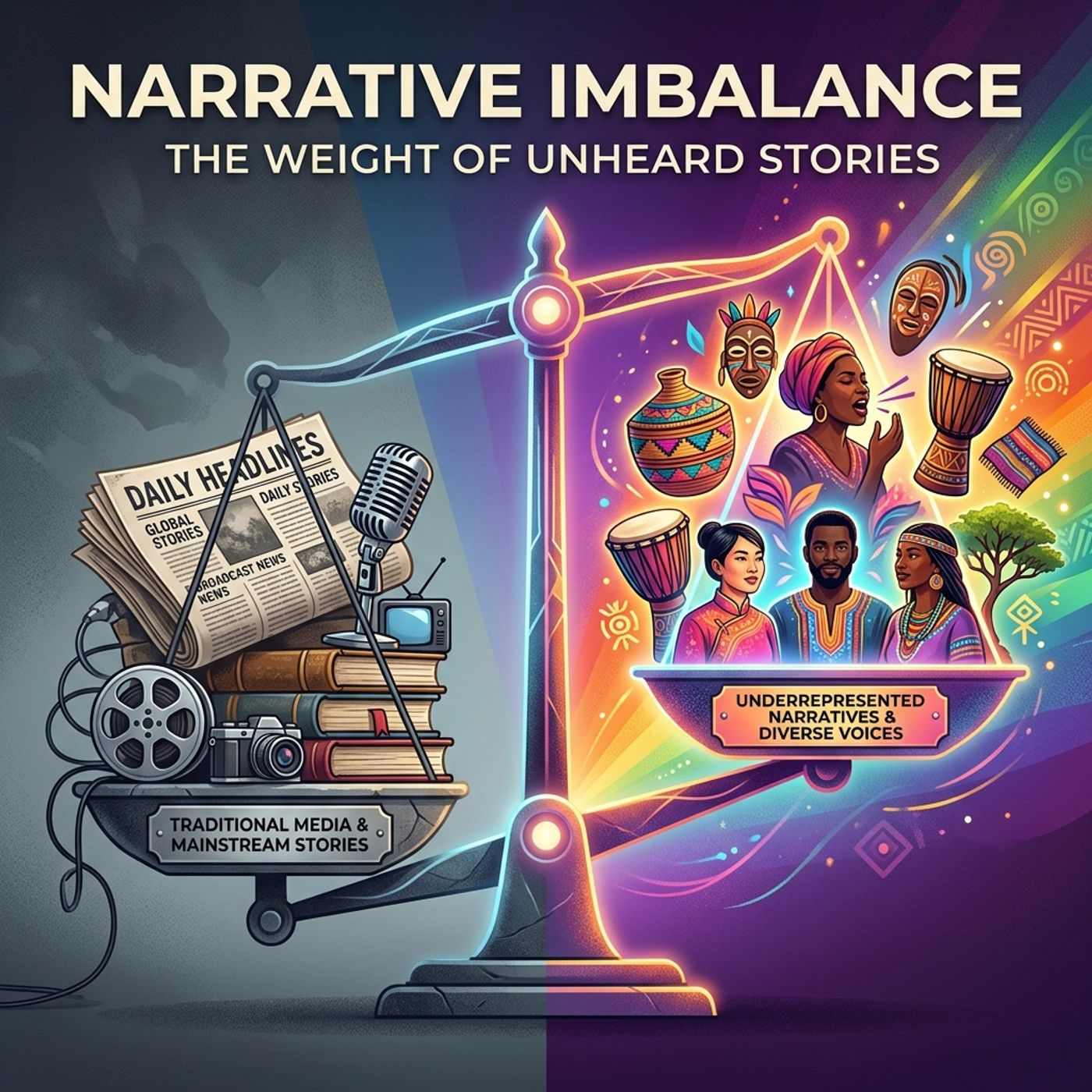
Let’s start by looking at media representation, which is a key area where narrative imbalance shows its effects. A study from the Annenberg Inclusion Initiative in 2020 revealed that only 28.3% of speaking characters in top-grossing films came from underrepresented racial and ethnic groups. That’s a startling statistic, right? It highlights a significant underrepresentation that can skew public perception and reinforce stereotypes.
And it’s not just about race; gender representation also tells us a grim story. In family films, only 31% of speaking characters were female, according to the Geena Davis Institute on Gender in Media from a 2019 study. These imbalances suggest that women’s voices are less valued, perpetuating a cycle where gender equality in narrative does not reflect reality.
Become a supporter of this podcast: https://www.spreaker.com/podcast/conspiracy-theories-exploring-the-unseen--5194379/support.
Get every episode summarized
Each time Conspiracy Theories Exploring The Unseen publishes, we email you a written briefing from the transcript — the topics, who appeared, and any specific claims, with the ad reads skipped.
Email me new episodesFree for 3 shows. No card needed.
Hosts & guests
Transcript ready
49 searchable segments. Every word is indexed and playable.
Full transcript
Conspiracy Theories Exploring The Unseen — The Narrative Imbalance_ Unpacking Marginalized Voices. Machine-transcribed; use the interactive transcript above to jump the player to any line.
Today, we're unpacking a vital yet often overlooked concept known as narrative imbalance. This term describes how certain voices and stories dominate our media and literature, while others are marginalized or entirely excluded. Think about it. When we see the same narratives repeated, it can shape our perception of who matters in society and who doesn't. Let's start by looking at media representation, which is a key area where narrative imbalance shows its effects. A study from the Annenberg Inclusion Initiative in 2020 revealed that only 28.3% of speaking characters in top-grossing films came from underrepresented racial and ethnic groups. That's a startling statistic, right? It highlights a significant under-representation that can skew public perception and reinforce stereotypes. And it's not just about race, gender representation also tells us a grim story. In family films, only 31% of speaking characters were female, according to the Gina Davis Institute
on gender and media from a 2019 study. These imbalances suggest that women's voices are less valued, perpetuating a cycle where gender equality and narrative does not reflect reality. But what about indigenous voices? The numbers are sobering. Only 0.4% of speaking roles in major studio films are given to indigenous characters, referring to a 2021 report from the Native American Media Alliance. This disconnect has real-world implications, reducing the visibility of these cultures and perpetuating stereotypes. As we strive for inclusivity, several organizations are leading the charge. Groups like the Gina Davis Institute advocate for more diverse storytelling that mirrors societal diversity, while others focus on decolonizing history to include more indigenous and marginalized perspectives. These movements are essential to dismantling the dominance of traditional narratives that have shaped our history and culture for centuries.
Yet, it's important to look critically at how technology plays a role in this narrative imbalance. Social media platforms have opened up the floor for diverse voices, allowing them to challenge mainstream narratives. However, algorithms can often play a contradictory role by reinforcing existing biases creating echo chambers that can stifle the very diversity they aim to promote. Scholars and activists alike call for a re-evaluation of mainstream media's role in societal narratives. They highlight that our storytelling should not perpetuate stereotypes or reinforce power hierarchies, but instead empower underrepresented voices. This rethinking is paramount for moving toward a more equitable society where every person's story is valued. To wrap up, addressing narrative imbalance is not just about better representation in stories. It's about fostering a society where all voices can be heard. It's a call to action for media creators, policymakers, and all of us as consumers
to demand a more equitable narrative landscape. Highlighting diverse experiences can spark social progress and inspire change. We all have a role to play in creating a world where every story matters. Thanks for joining the Fortune Factor podcast.
More episodes
More from Conspiracy Theories Exploring The Unseen

The Digital Mirage_ AI and the Death of Authentic Romance
Conspiracy Theories Exploring The Unseen

The Trust Trap_ AI and the Future of Romance
Conspiracy Theories Exploring The Unseen

The Ghost in the Machine_ Navigating AI Romance
Conspiracy Theories Exploring The Unseen

The Love Recession_ Why Digital Romance is Offline for Good
Conspiracy Theories Exploring The Unseen