The Narrative Imbalance_ Unequal Representation in Media
About this episode
Become a supporter of this podcast: https://www.spreaker.com/podcast/conspiracy-theories-exploring-the-unseen--5194379/support.
Get every episode summarized
Each time Conspiracy Theories Exploring The Unseen publishes, we email you a written briefing from the transcript — the topics, who appeared, and any specific claims, with the ad reads skipped.
Email me new episodesFree for 3 shows. No card needed.
Hosts & guests
Transcript ready
31 searchable segments. Every word is indexed and playable.
Full transcript
Conspiracy Theories Exploring The Unseen — The Narrative Imbalance_ Unequal Representation in Media. Machine-transcribed; use the interactive transcript above to jump the player to any line.
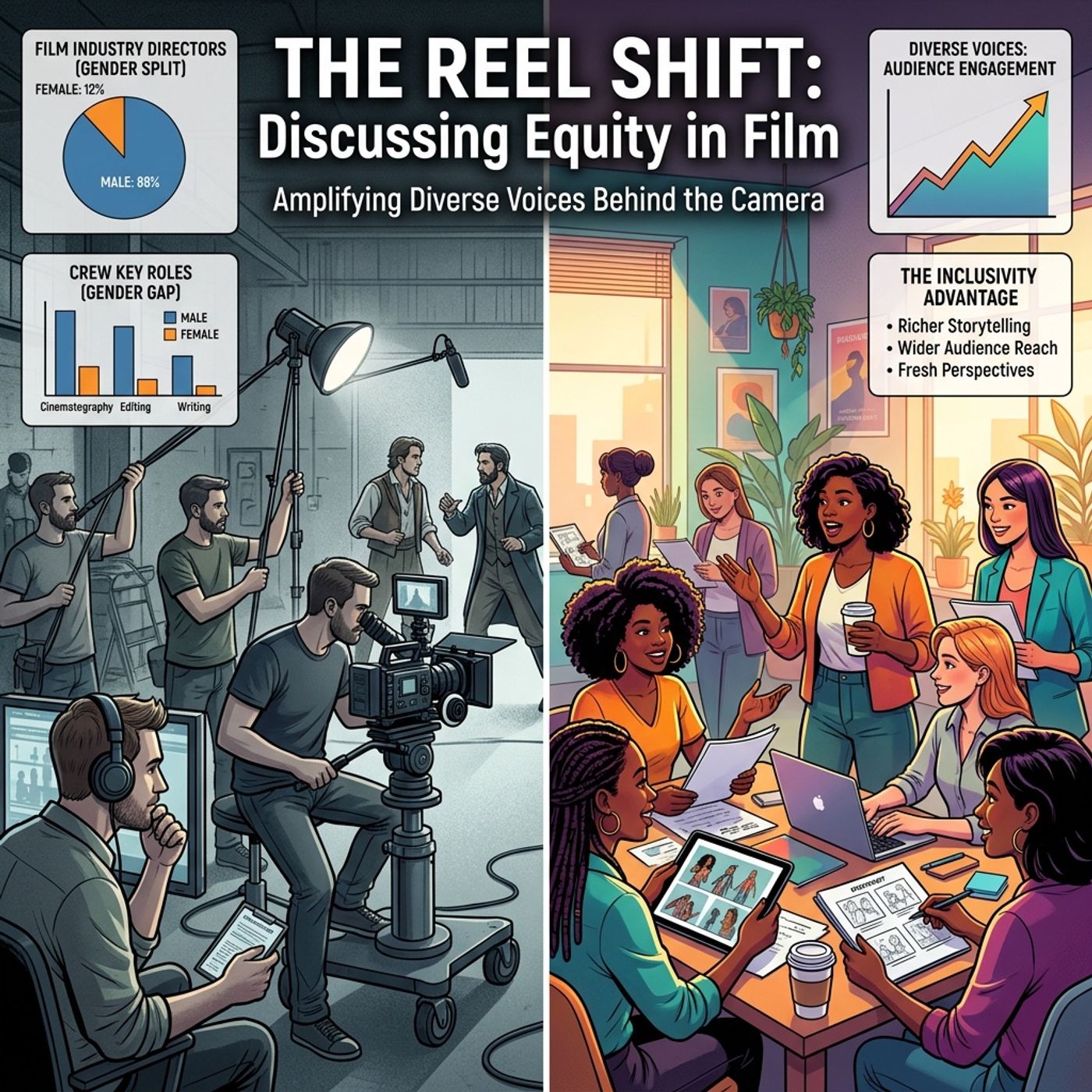
Today, we're diving into a critical topic that affects how we see the world, unequal representation in media. This issue is often subtle, but has profound effects on how certain groups are portrayed, reinforcing harmful stereotypes while sidelineing others. Let's start by looking at gender disparity in the film industry. A study conducted by the Sundance Institute and Women in Film Los Angeles revealed that for a decade, from 2002 to 2012, women only made up about 30% of filmmakers at the Sundance Film Festival. This startling statistic raises the question, what narratives are missing when so many voices go unheard? When we zoom out to news media, the picture doesn't get any better. Research shows that only 24% of news subjects are female, and women are portrayed as experts in just 19% of the cases. Imagine tuning into the news and consistently hearing predominantly male viewpoints. It's not just frustrating, it shapes how society
understands critical issues. Now let's shift gears to literature. An analysis of fiction from 1850 to 2010 shows a troubling trend. Female characters tend to be depicted as passive compared to their male counterparts. This persistent gender agency gap reflects a deeper issue where women's voices and actions are often overshadowed. This creates a skewed narrative landscape where men are the doers and women wait for things to happen to them. To better understand these disparities, we need to hear from experts in the field. Carrie Putnam, the Executive Director of the Sundance Institute, pushes for increased awareness of gender disparities. She believes that recognition is the first step towards change. Meanwhile, Dr. Stacy L. Smith, who led the Sundance study, highlights systemic barriers that hinder women in the industry, like financial challenges and biased hiring practices. Her insights reveal that the fight for equality in media isn't just a
contemporary battle. It's a vested interest in creating a fairer narrative for future generations. Historical context plays a crucial role here. The underrepresentation of women in media isn't a new problem, but one that's deeply rooted in societal norms and institutional barriers. For decades, these patterns have supported stereotypes and maintained gender imbalances, leaving women underrepresented in powerful storytelling roles. Recognizing this history is essential, we can't change the present if we don't understand the past. As we wrap up our discussion today, the unequal representation in media isn't just a statistic. It affects how we perceive each other and ourselves. Understanding these imbalances is the first step toward building a more inclusive media environment where diverse voices are celebrated, not sidelined. So, let's keep this conversation going and explore ways we can advocate for change in our next episodes. Thanks for joining the Fortune Factor podcast.
More episodes
More from Conspiracy Theories Exploring The Unseen

The Digital Mirage_ AI and the Death of Authentic Romance
Conspiracy Theories Exploring The Unseen

The Trust Trap_ AI and the Future of Romance
Conspiracy Theories Exploring The Unseen

The Ghost in the Machine_ Navigating AI Romance
Conspiracy Theories Exploring The Unseen

The Love Recession_ Why Digital Romance is Offline for Good
Conspiracy Theories Exploring The Unseen