The Casualty Numbers Game_ Propaganda Unveiled
About this episode
Become a supporter of this podcast: https://www.spreaker.com/podcast/conspiracy-theories-exploring-the-unseen--5194379/support.
Get every episode summarized
Each time Conspiracy Theories Exploring The Unseen publishes, we email you a written briefing from the transcript — the topics, who appeared, and any specific claims, with the ad reads skipped.
Email me new episodesFree for 3 shows. No card needed.
Hosts & guests
Transcript ready
92 searchable segments. Every word is indexed and playable.
Full transcript
Conspiracy Theories Exploring The Unseen — The Casualty Numbers Game_ Propaganda Unveiled. Machine-transcribed; use the interactive transcript above to jump the player to any line.
Warning, the following Zippercruder radio spot you are about to hear is going to be filled with F words. When you're hiring, we at Zippercruder know you can feel frustrated. For Lauren even, like your efforts are futile, and you can spend a fortune trying to find fabulous people, only to get flooded with candidates who are just... fine. F***! Fortunately, Zippercruder figured out how to fix all that. And right now, you can try Zippercruder for free at zippercruder.com slash zip. With Zippercruder, you can forget your frustrations, because we find the right people for your roles fast, which is our absolute favorite F word. In fact, four out of five employers who post on Zippercruder get a quality candidate within the first day. Fantastic! So, whether you need to hire four, 40, or 400 people, get ready to meet first rate talent. Just go to zippercruder.com slash zip to try Zippercruder for free. Don't forget that zippercruder.com slash zip. Finally, that zippercruder.com slash zip.
Access to affordable credit helps me pay my employees, but I don't really need it. Infliction is killing me! But who cares? Big retailers and making record profits! That's why we support the Durban Marshall credit card bill! See, things in credit unions help small businesses make payroll. This bill would cut the vital resources they need. While increasing megastore profits, they deserve it. Don't they? Tell Congress, stop the Durban Marshall money grab for corporate megastores, paid for by the Electronic Payments Coalition. Casualty numbers have often been used as powerful weapons in political conflicts, shaping narratives and influencing public opinion. In this third and final episode about how these figures can be manipulated for propaganda, we will explore several historical and contemporary examples to shine a light on this often overlooked aspect of warfare. Let's start with a well-known example from the 2014 Gaza conflict. During this period, Hamas reported a staggering number of civilian casualties,
aiming to highlight the perceived brutality of Israel's military operations. However, some independent analyses suggested that a significant portion of these reported fatalities were actually combatants, rather than innocent civilians. This discrepancy raises questions about the validity and intentions behind casualty reporting during conflicts. Were these numbers meant to sway international opinion against Israel? And how effectively did they do that? Now, if we look back to the Israeli Lebanese conflict in 1982, the situation was quite similar. Israel acknowledged around 460 civilian deaths, but vehemently disputed higher figures presented by Lebanese and Palestinian officials. They argued that the inflated numbers were part of a strategic propaganda campaign aimed at tarnishing Israel's image. This scenario demonstrates how conflicting narratives can emerge, with each side attempting to control the narrative of suffering to serve its own political interests.
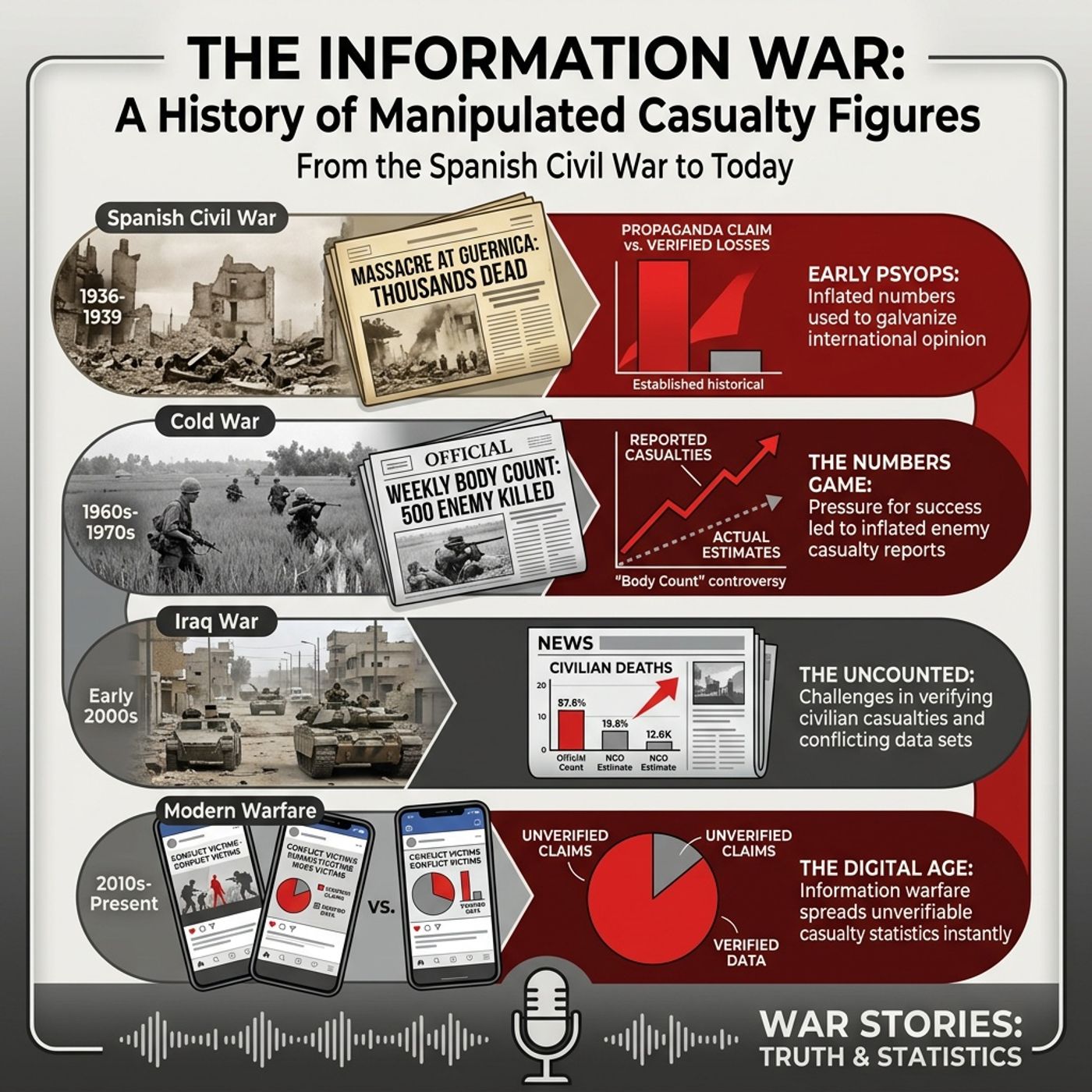
Another fascinating case is the Yugoslav Wars in the 1990s. Both Serbian and Bosnian media inflamed nationalist sentiments by exaggerating casualty figures. This tactic was not just about gaining sympathy. It was about rallying support for their respective causes on the global stage. Reports from places like Pokrak were later debunked, but the early sensational numbers fueled a narrative that had real-world consequences, galvanizing international intervention and support based on inflated claims. From a historical angle, consider the bombing of Gernica during the Spanish Civil War in 1937. Initial reports suggested over 1700 civilian deaths, a number that would evoke outrage, yet later analysis reduced the casualties to between 170 and 300. This drastic revision highlights the challenges in verifying casualty figures, challenges that are even more pronounced in the midst of active conflict. With the ongoing conflicts, verifying casualty figures remains a significant challenge for
organizations like the United Nations and the International Committee of the Red Cross. Access restrictions in the chaotic nature of war zones complicate their efforts. As a result, they often rely on figures from local authorities, figures that may be manipulated and serve specific agendas. As we wrap up this discussion, it's essential to recognize the role of media in amplifying these narratives. Media outlets tend to convey official casualty figures, which can sometimes be inaccurate or strategically fabricated. The difficulty lies in not only obtaining accurate data, but also in understanding the context behind what is reported. In an age where misinformation spreads easily, consumers of news must critically assess the information presented to them. In conclusion, the manipulation of casualty numbers is a long-standing tactic that is still very much at play in contemporary conflicts. Historical cases like the Gaza conflict and the Israeli
Lebanese conflict reveal how casualty figures are used not just as numbers, but as powerful tools of propaganda aimed at shaping public perception. As discerning consumers of information, it's vital that we remain vigilant, seek multiple sources, and consider the underlying motives behind reported figures. By doing so, we can better navigate the complex world of conflict reporting. Thanks for joining the Fortune Factor podcast. Invites them to apply to your job. You get qualified candidates fast, so while other companies might deliver a lot of, hey, Zippercruder, finds you what you're looking for.
The needle in the haystack. See why four out of five employers who post a job on Zippercruder get a quality candidate within the first day. Zippercruder, the smartest way to hire, and right now, you can try Zippercruder for free. That's right, free at zippercruder.com slash zip. That zippercruder.com slash zip. Zippercruder.com slash zip. Finding great candidates to hire can be like, well, trying to find a needle in a haystack. Sure, you can post your job to some job board, but then all you can do is hope the right person comes along, which is why you should try Zippercruder for free. At zippercruder.com slash zip. Zippercruder doesn't depend on candidates finding you. It finds them for you. It's powerful technology identifies people with the right experience and actively invites them to apply to your job. You get qualified candidates fast, so while other companies might deliver a lot of, hey, Zippercruder, finds you what you're looking for. The needle in the haystack.
See why four out of five employers who post a job on Zippercruder get a quality candidate within the first day. Zippercruder, the smartest way to hire, and right now, you can try Zippercruder for free. That's right. Free at zippercruder.com slash zip. That zippercruder.com slash zip.
More episodes
More from Conspiracy Theories Exploring The Unseen

The Digital Mirage_ AI and the Death of Authentic Romance
Conspiracy Theories Exploring The Unseen

The Trust Trap_ AI and the Future of Romance
Conspiracy Theories Exploring The Unseen

The Ghost in the Machine_ Navigating AI Romance
Conspiracy Theories Exploring The Unseen

The Love Recession_ Why Digital Romance is Offline for Good
Conspiracy Theories Exploring The Unseen