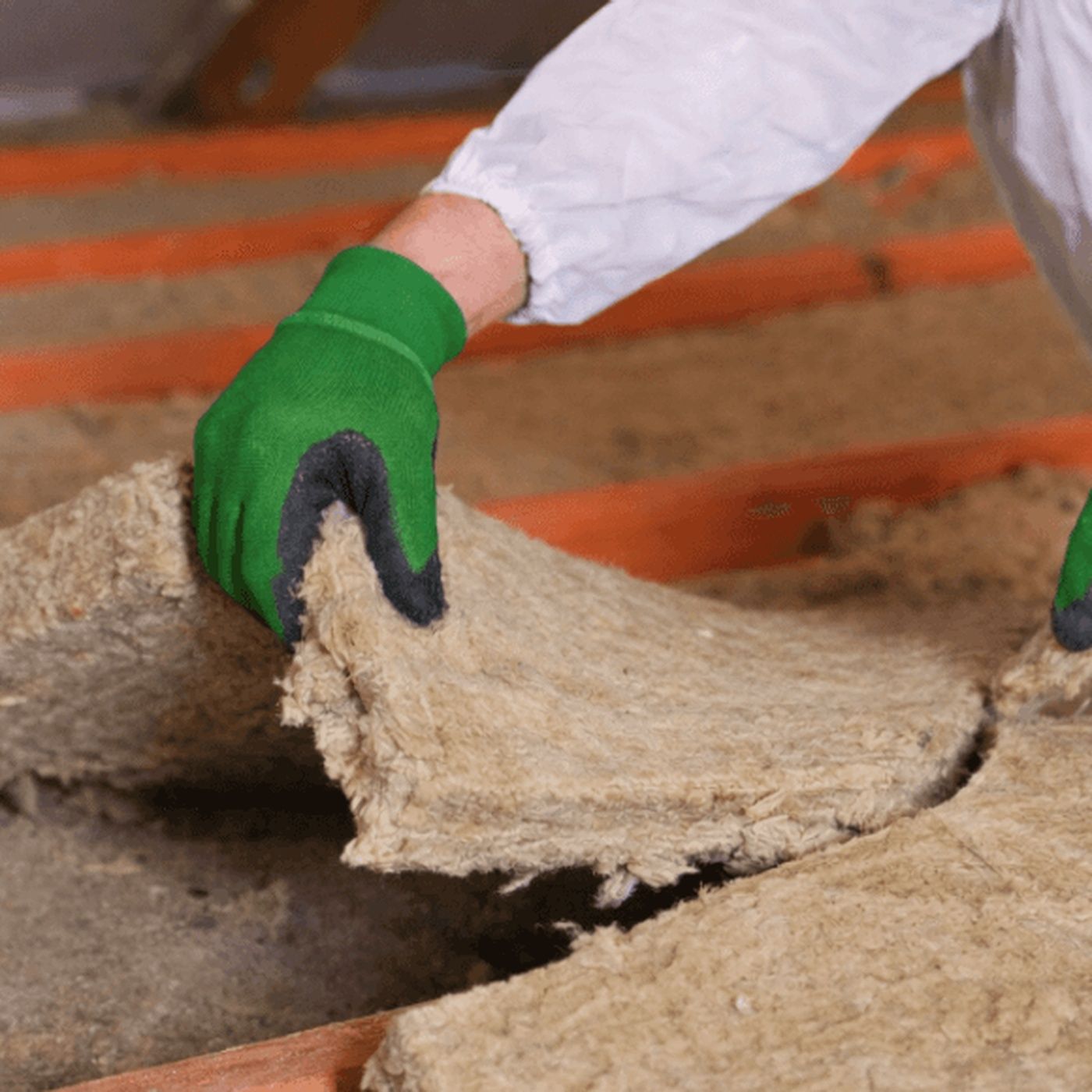
Struggling with Attic Insulation? How to Replace & Remove It Near You
About this episode
Get every episode summarized
Each time Filterbuy.com Audio Blogs Podcast publishes, we email you a written briefing from the transcript — the topics, who appeared, and any specific claims, with the ad reads skipped.
Email me new episodesFree for 3 shows. No card needed.
Hosts & guests
Transcript ready
320 searchable segments. Every word is indexed and playable.
Full transcript
Filterbuy.com Audio Blogs Podcast — Struggling with Attic Insulation? How to Replace & Remove It Near You. Machine-transcribed; use the interactive transcript above to jump the player to any line.
Struggling with attic insulation, how to replace and remove it. Near you, old, damaged, or underperforming attic insulation does not just make your home uncomfortable. It silently drives up energy bills, pushes allergens into your living spaces, and forces your HVAC system to work over time. At filter by HVAC solutions, we have seen it all during thousands of attic assessments across central Florida. Moisture soaked bats hiding mold growth. Pest contaminated blown-in fill circulating pollutants through entire homes and insulation so degraded it might as well not be there. Based on our hands-on experience, most homeowners do not realize their attic insulation is the root cause of their comfort and air quality problems until we show them what is really going on up there. This guide shares what we have learned from years of real-world attic insulation removal and replacement projects. The warning signs to watch for what the process actually involves and how to find trusted professionals near you who will get it done
right the first time. Quick answers. If your attic insulation is damaged, contaminated, or no longer keeping your home comfortable, here is what you need to know. When to remove attic insulation. First, when visible mold, pest contamination or water damage is present. Second, when insulation is flat, compressed, or level with the floor joists. Third, when you are experiencing rising energy bills, uneven temperatures, or musty odors from your vents, how attic insulation removal works. It starts with a professional inspection to assess the type, condition, and hazards, then containment and protective sheeting to protect living spaces. Removal using commercial vacuum equipment or manual extraction, attic floor cleaning to eliminate contaminants and debris, air sealing all gaps and penetrations before reinstalling. And finally, new insulation installed at the correct R value for your climate zone, how to find removal services near you.
Look for contractors specializing in insulation and HVAC, not general handyman, verify licensing, insurance, and local references. Confirm the scope includes removal, cleaning, air sealing, and replacement, and request an upfront inspection and detailed written estimate. Pro tip from filter by HVAC solutions. Based on our hands-on experience across hundreds of attic projects in central Florida, the single most important thing to get right is the sequence. Removal, cleaning, air sealing, then new insulation, skipping any step compromises the entire investment. Start with an honest professional assessment to see what is really going on above your ceiling before committing to any work. Top takeaways damaged attic insulation affects your entire home. It drives up energy bills, circulates allergens through your HVAC system, and reduces comfort. Often without homeowners realizing the attic is the root cause. Removal of insulation cannot be a one-step job.
The optimal approach is the entire procedure of removal. Cleaning, air sealing, and replacement insulation to the proper R value for the climate. The most significant step that gets neglected is air sealing. 25 to 40% of energy consumption for heating and cooling is attributed to air leakage. Any omission of this step and even new insulation will not perform well initially. Not every attic insulation job is safe to do by yourself. Vermiculite is likely to contain asbestos and needs certified abatement. Materials that have pests or are covered with mold require appropriate protective gear and containment measures. Monetary rewards will lower your expenses. A complete attic insulation project could be less costly than it would otherwise be with the assistance of federal tax credits, utility rebates, state programs, and weatherization assistance. Signs your attic insulation needs to be removed. Not all attic insulation issues require a complete removal, but some warning signs indicate
that it is time to take action. If you are experiencing uneven temperatures throughout your house, mysterious increases in your electricity bills, or bad smells coming from your vents, the problem might be your attic insulation. When working with central Florida homeowners, the most frequent causes of attic insulation removal include visible mold or mild due growth, signs of rodent or pest infestations such as droppings and nesting materials, water damage from roof leaks, and insulation that has settled or compressed to the point where it no longer provides sufficient thermal resistance. Homes constructed prior to the 1980s have also been found to have vermiculite insulation that could be contaminated with asbestos and requires professional removal. You should never attempt to remove this material on your own. Types of attic insulation and how removal differs. The kind of insulation in your attic determines how it gets removed. Blown in insulation, whether cellulose or fiberglass is generally extracted with
industrial vacuum equipment. The vacuum pulls out the insulation through a large hose that runs from the attic to a collection unit located outside. Fiberglass bad insulation is typically rolled up and bagged by hand. That sounds simple, but it becomes complex quickly when the product is wet, compressed or broken into pieces. Spray foam insulation has the most tedious removal process, which is usually done manually by scraping and cutting. As we have observed on job sites, homeowners are often surprised by how much material can be packed into their attic area and how messy the whole procedure can be without professional equipment and good containment practices. What the attic insulation removal process looks like. Professional attic insulation removal usually starts with an inspection to determine the nature, condition, and any hazards, such as mold or asbestos. Protective sheeting is then used to prepare the work area and prevent contaminants from entering your living spaces. For blown in insulation, commercial vacuums do the heavy work.
Bat and roll insulation are pulled away by hand, bagged and hauled away. After clearing the old insulation, the attic floor needs a thorough cleaning to remove dust, debris, droppings, and any other contaminants. This is a step that many homeowners overlook, but we believe it is essential. Putting new insulation over a dirty attic floor is like putting fresh paint over water damage dry wall. The underlying problem never goes away. Following cleaning, any air sealing required around penetrations, gaps, and ductwork must be done before new insulation is installed. This correct sequencing is what really enhances the performance of your replacement insulation. DIY versus professional attic insulation removal. While some homeowners are handy enough to remove bad insulation themselves, there are genuine reasons to consider hiring a professional. Attic work involves tight spaces with minimal air flow, high temperatures during hot conditions, fiberglass particles, mold spores, pest contamination, and the physical challenge of carrying heavy
materials through a very small entry point. Professional crews bring commercial grade vacuum systems, appropriate breathing and protective gear, contamination control measures, and experience. They also have the knowledge and equipment to uncover hidden problems like damage, ductwork, or structural issues that the untrained I would miss. If your insulation shows any sign of mold, pest infestation, or asbestos containing material, professional removal is not just advisable. It is a critical safety consideration for your family. Finding attic insulation removal services near you. When finding the right attic insulation removal in your area, choose contractors who specialize in insulation work, not general handymen. They should have the necessary licensing and insurance and be able to provide references from local homeowners. Ask whether their scope includes attic cleaning and debris removal, whether they handle disposal within local guidelines, and whether they provide air sealing and replacement insulation as part of the package.
A good contractor should be willing to perform a preliminary inspection and provide a comprehensive estimate that gives you a clear picture of what is covered. At Filter by HVAC Solutions, we handle every attic project by first giving a full evaluation, because we believe every homeowner has a right to understand the whole picture before any work begins. How new insulation improves comfort and efficiency after removal. Getting rid of deteriorated insulation is half the battle. What you replace it with and how you install it is where the true payoff comes in. When the attic is insulated correctly and to the appropriate R value for your climate zone, it creates a consistent thermal barrier that keeps your conditioned air in place and reduces the strain on your HVAC system. Clients who have used our services consistently report better temperature consistency between rooms, reduced energy bills within the first billing period, and a reduction in dust and allergens circulating through their home. Removal, cleaning,
air sealing, and replacement done as one complete project are far more effective than any of the steps taken individually. In our years of removing and replacing attic insulation across central Florida homes, the biggest lesson we have learned is that what is hiding in your attic affects every room in your house. From the area your family breathes to the energy your system wastes trying to compensate for insulation that stopped doing its job long ago, seven essential resources. Every homeowner needs before removing attic. Insulation replacing attic insulation is an important home improvement decision that requires attention to safety issues, energy efficiency requirements, and possible financial incentives. These seven authoritative resources from government agencies and industry organizations give you the knowledge to make confident and informed decisions before you start your project or hire a contractor. Resource number one, check for hazardous insulation before
you touch anything. Homes built before 1990 may contain vermiculite insulation contaminated with asbestos, which poses serious respiratory health risks if disturbed. The EPA's vermiculite insulation guide explains how to visually identify this material in your attic and why certified asbestos abatement professionals should handle removal if it is present. You can find this guide at epa.gov slash asbestos. Resource number two, understand when to remove, replace, or add attic insulation. Not every attic insulation problem requires full removal. Sometimes adding insulation or air sealing is the more cost-effective solution. Energy Star's attic guide walks you through visual inspection methods, measuring current insulation depth, hiring qualified contractors, and explains why air sealing should always be completed before new insulation is installed. Visit energystar.gov for details, resources number three, compare insulation types to choose the
right replacement material. After removing old attic insulation, selecting the right replacement material directly impacts your home's long-term energy performance and comfort. The DOE's insulation guide breaks down the differences between fiberglass bats, blown-in cellulose, mineral wool, spray foam, and reflective insulation. It covers our value per inch, installation requirements, and which types are best suited for attic applications. Find this at energy.gov slash energy saver slash insulation. Resource number four, find the correct our value for your climate zone, installing the wrong amount of replacement insulation leaves energy savings on the table and may not meet current building code requirements. Energy stars are value recommendation chart, map specific insulation levels to each U.S. climate zone so you can verify that your new attic insulation meets or exceeds the minimum thermal performance standards for where you live. Resource number five, know the safety hazards involved in attic insulation work.
Addic insulation removal exposes workers to confined space risks, airborne fiberglass and cellulose particles, potential mold spores, and electrical hazards, making proper protective equipment non-negotiable. OSHA's weatherization safety guide outlines respiratory protection standards, personal protective equipment requirements, and confined space protocols that apply whether you are tackling the project yourself or evaluating whether a contractor follows safe work practices. Resource number six, learn how air sealing maximizes your new insulation's performance. Replacing attic insulation without addressing air leaks is one of the most common and costly mistakes homeowners make during insulation projects. The DOE's air sealing guide explains how sealing gaps around penetrations, ductwork, and framing connections before insulating can reduce heating and cooling energy loss by up to 25% to 40% dramatically improving the return on your insulation investment. Resource number seven, claim available tax credits and rebates on your
insulation project. Qualifying insulation and air sealing materials installed on your primary residence may be eligible for a federal tax credit of 30% of material costs up to $1,200 per year. The IRS resource details, eligibility requirements, filing instructions using form, 5695, and important distinctions including that labor costs for insulation installation do not qualify for the credit. Supporting statistics, why attic insulation removal and replacement matters? After years of assessing addicts and diagnosing comfort problems in central Florida homes, we have seen these federal statistics play out in real life on every job site. Here are three data points that reinforce what our hands on experience has taught us. Statistics number one, indoor air pollutants can be two to five times higher than outdoor levels. EPA studies confirmed that indoor pollutant concentrations can be two to five times higher than outdoor levels and
occasionally exceed them by more than 100 times. We see the source of this problem first hand every time we open an attic hatch and find insulation saturated with mold growth. Blown-in fill riddled with rodent droppings and nesting debris and degraded material acting as a filter that traps and recirculates pollutants through the HVAC system. Most homeowners we work with have no idea that their persistent allergy symptoms or must-event odors are directly connected to what is deteriorating just above their ceiling. Statistics number two, air sealing and insulation can cut heating and cooling costs by 15 percent. The EPA estimates homeowners can save an average of 15 percent on heating and cooling costs by air sealing and properly insulating their homes. In our experience, homeowners who complete a full attic insulation removal project often meet or exceed this estimate because the process addresses multiple layers of compounding energy loss at once. Removal eliminates contaminated or degraded material that has lost its thermal resistance.
Cleaning clears debris and contaminants from the attic floor. Air sealing closes gaps around penetrations, ductwork and framing connections, and replacement insulation restores full R-value performance over a properly sealed attic. We have had customers report noticeable improvements in comfort and energy bills within the first billing cycle, even in the brutal central floor to heat where HVAC systems already work over time. Statistics number three, air leakage accounts for 25 to 40 percent of home heating and cooling energy use. Energy star reports that air leakage is responsible for 25 to 40 percent of the energy use for heating and cooling in a typical home. This statistic is exactly why we always emphasize air sealing before installing new insulation. Without it, new insulation can never perform to its rated R-value. Conditioned air continues escaping through unsealed gaps around ductwork, electrical penetrations, and plumbing chases, and homeowners end up paying for insulation that
underperforms from day one. Based on what we have observed across hundreds of attic projects, addressing air leaks before insulating is the single most overlooked step and the one that makes the biggest difference in long-term performance and energy savings. Final thought, what we have learned from years of looking inside your attic. After assessing countless addicts across central Florida, one thing is clear to us at filter by HVAC solutions. Your attic insulation is quietly shaping the comfort, air quality, and energy efficiency of your entire home. Most homeowners never think about it until something goes noticeably wrong. Addic insulation does not fail overnight. It degrades gradually. Moisture seeps in from minor roof leaks. Pests contaminate material season after season. Natural compression and settling over decades reduce thermal performance. By the time you notice uneven temperatures, rising energy bills, or unexplained allergy symptoms, the damage has usually been compounding for years. The biggest mistake we see homeowners make.
Too many homeowners treat attic insulation replacement as a single step project. Remove the old material, lay down new insulation, and call it done. Based on our hands-on experience, the projects that deliver the most dramatic and lasting results follow the complete sequence. First, removal of all old, damaged, or contaminated insulation. Second, thorough cleaning of the attic floor, debris, and contaminants. Third, air sealing around all penetrations, ductwork, and framing gaps. Fourth, replacement insulation properly installed at the correct R value for your climate zone. We have walked into Addics where brand new insulation was installed just a year or two earlier by another contractor, and the homeowner was still dealing with hot spots, high energy bills, and dust circulating through the vents. All because nobody sealed the gaps in the attic floor before laying fresh material over the same old problems. Our advice before you start. If you are considering attic insulation removal, do not rush the process and do not cut corners
on the steps you cannot see once the new insulation goes in. Get an honest assessment from a professional who will show you what is actually happening in your attic. Not just sell you a product, ask about air sealing. Skipping this step alone can undermine your entire investment. Ask about cleaning, installing new insulation over a contaminated attic floor defeats the purpose of starting fresh. Confirm the recommended R value for your specific climate zone and verify the contractor's scope includes everything needed to get there. Your attic may be out of sight, but what is happening up there affects every room in your house, every breath your family takes, and every dollar you spend on heating and cooling. Getting it right the first time is one of the most impactful home improvements you will ever make. Next steps, how to get started with your attic insulation removal project. You understand the warning signs, the process, and what separates a good insulation project from a great one. Here is exactly how to move forward. Step one, inspect your attic or
schedule a professional assessment before committing to any work, know what you are dealing with. Look for these red flags, visible mold, dark staining, or musty odors, rodent droppings, nesting materials, or pest damage. Insulation that is flat, compressed, or level with the floor joist. Water stains or evidence of past roof leaks. Discolored insulation that indicates air leaks and airflow problems. Not sure what you are looking at or uncomfortable accessing your attic. Schedule a professional inspection. At Filter by HVAC Solutions, we show you exactly what is going on before recommending any work. Step two, identify your insulation type and any hazards. Your insulation type determines the removal method and safety requirements. Blown in fiberglass or cellulose is extracted with commercial vacuum equipment. Fiberglass bats or rolls are removed by hand, bagged, and hauled out. Spray foam requires labor intensive manual scraping and cutting. Vermiculite, which is a granular, grayish brown material,
may contain asbestos. It requires certified professional abatement and should never be disturbed on your own. Step three, get estimates from qualified professionals. Not all contractors approach attic insulation the same way. Ask these questions before hiring. Is attic cleaning and debris removal included in your scope of work? Will air sealing be completed before new insulation is installed? What are value do you recommend for my climate zone? How do you handle disposal and compliance with local regulations? Can you provide references from local homeowners? A reputable contractor should walk you through the full scope of work before any commitment is made. Step four, explore financial incentives. Several programs may help offset your project costs. Federal tax credits. Check current IRS Energy Efficient Home Improvement Credit, e.e. eligibility for insulation and air sealing materials, utility rebates. Contact your local electric provider about energy efficiency upgrade programs, state and local
incentives. Visit your state energy office for additional rebate and financing options. The Weatherization Assistance Program, or WAP, income qualifying households may be eligible for free or reduced costs upgrades through the DOE. Step five, schedule your project and prepare your home. Once you have selected a contractor and confirmed the scope, here is what to do. Clear attic access areas for safe, efficient crew entry. Cover belongings in rooms below the attic to protect against dust. Plan for HVAC downtime if ductwork sealing or repairs are included. Confirm the full project timeline including removal, cleaning, air sealing and replacement installation. And request written documentation of completed work including installation type, our value achieved and warranties. Ready to find out what is in your attic. At Filter by HVAC Solutions, we believe every homeowner deserves a clear picture of their
attic's condition before making any decisions. If you are noticing comfort issues, rising energy bills or air quality concerns, your attic is the first place we would look and we will show you exactly what we find. Contact Filter by HVAC Solutions today to schedule your attic installation assessment. Frequently asked questions. Question, how do I know if my attic installation needs to be removed or just replaced? Answer, it depends on what is actually in your attic. Adding new material on top may work if your installation has simply settled, but is otherwise clean and dry. Full removal is necessary when we find mold or mildew growth on or beneath the installation, rodent droppings, nesting materials or pest contamination, water damage from current or past roof leaks or insulation so compressed or degraded that it crumbles in your hand. We have lost count of how many homeowners tried layering new insulation
over contaminated material only to face the same comfort and air quality problems months later. It is like putting fresh paint over water damage drywall. The underlying problem never goes away. A professional attic assessment takes the guesswork out and gives you a clear answer. Question, can I remove attic insulation myself or should I hire a professional? Answer, removing fiberglass bats in good condition can be a manageable do-it-yourself project with proper safety gear, including an N95 respirator, protective eyewear, gloves and disposable coveralls at minimum. However, based on what we have seen homeowners face, once they get into their attic, we recommend professional help in these situations. When blown in insulation requires commercial vacuum extraction that rental units cannot match. When pest contamination or mold is present and needs containment to avoid spreading into living spaces. When the home was built before 1990 and may contain vermiculite insulation with asbestos, and when attic conditions include extreme heat,
tight spaces or hidden electrical hazards. After working in enough central Florida Attics, we can tell you that the cost of hiring a professional is well worth the safety, speed and peace of mind you get in return. Question, how much does attic insulation removal cost and are their ways to offset the expense? Answer, from what we have seen across our projects, typical cost breakdown is follows. Standard removal runs about $1 to $2 per square foot in good access conditions. Complex removal involving mold, pests or asbestos can run $6 or more per square foot. Total project cost varies based on attic size, accessibility and whether the scope includes cleaning, air sealing and replacement insulation. Several programs can help reduce your out-of-pocket costs, federal tax credits for qualifying insulation and air sealing materials through the I, RS energy, efficient home improvement credit. Utility company rebates for energy efficiency upgrades,
state and local incentive programs through your state energy office, and the DOE Weatherization Assistance Program for Income Qualifying Households. We encourage every homeowner to explore these options before starting work. And we insist on full transparency with every estimate, you will know exactly what is included before a single piece of insulation is touched. Question, what should I expect during a professional attic insulation removal project? Answer, having performed this work on hundreds of homes, we can tell you the sequence matters more than most people realize. Each step builds on the one before it, first inspection, assess insulation type, condition and hazards before proposing a plan, second preparation, place protective sheeting to prevent contaminants from migrating into living spaces, third removal, extract blown-in material with commercial vacuums, remove bats by hand and bag for disposal, fourth cleaning, clear all dust, debris, droppings and contaminants from the attic floor.
This is a step many contractors skip, but we consider it non-negotiable. Fifth, air sealing. Seal every gap around penetrations, duct work and framing connections. Sixth, replacement installation. Install new insulation at the recommended R value for your climate zone over a clean, properly sealed attic floor. Most residential projects are completed within one to three days. Skipping cleaning or air sealing to save time always costs more in the long run through reduced performance and recurring problems. Question, how do I find a reliable attic insulation removal contractor near me? Answer, after years in this industry we have seen the full range of contractor quality. Here is what separates a reliable contractor from the rest, specialization matters. Choose someone focused on insulation and HVAC, not a general handyman. Licensing and insurance are non-negotiable. Verify credentials and coverage before anyone
enters your attic. Demand a complete scope of work. Removal, cleaning, air sealing, disposal and replacement should all be outlined in writing. Ask for local references. Experience contractors should have homeowners who can speak to their work quality, expect an upfront inspection. Any contractor who quotes a price without looking at your attic first is guessing and guesswork leads to change orders and unexpected costs. At Filter by HVAC Solutions we start every project with a thorough attic assessment because we have seen too many homeowners get burned by contractors who promised one thing and delivered another. We show you what we find, explain your options honestly and let you make the decision that is right for your home. If you are in Central Florida we would welcome the opportunity to show you how we approach attic insulation the right way. Stop struggling with your attic insulation. Let Filter by HVAC Solutions handle the removal and replacement the right way.
Schedule your free attic insulation assessment today and find out exactly what is going on above your ceiling. What needs to be done and how our experienced local team can restore your home's comfort, air quality and energy efficiency. Contact Filter by HVAC Solutions. Now to get started with a no obligation consultation from trusted professionals near you.
More episodes
More from Filterbuy.com Audio Blogs Podcast

Heat Pump Tune-Up Checklist
Filterbuy.com Audio Blogs Podcast

Best MERV Rating for Winter Furnace Filters: What You Need to Know
Filterbuy.com Audio Blogs Podcast

The Complete Winter Home HVAC Prep: Ducts, Vents & Airflow
Filterbuy.com Audio Blogs Podcast

How to Improve Comfort During Cold Snaps: Filter & Airflow Tips
Filterbuy.com Audio Blogs Podcast