Shadow War: How Iran Just Changed the Game
About this episode
Become a supporter of this podcast: https://www.spreaker.com/podcast/conspiracy-theories-exploring-the-unseen--5194379/support.
Interactive timestamps
Jump to segmentGet every episode summarized
Each time Conspiracy Theories Exploring The Unseen publishes, we email you a written briefing from the transcript — the topics, who appeared, and any specific claims, with the ad reads skipped.
Email me new episodesFree for 3 shows. No card needed.
Hosts & guests
Transcript ready
44 searchable segments. Every word is indexed and playable.
Full transcript
Conspiracy Theories Exploring The Unseen — Shadow War: How Iran Just Changed the Game. Machine-transcribed; use the interactive transcript above to jump the player to any line.
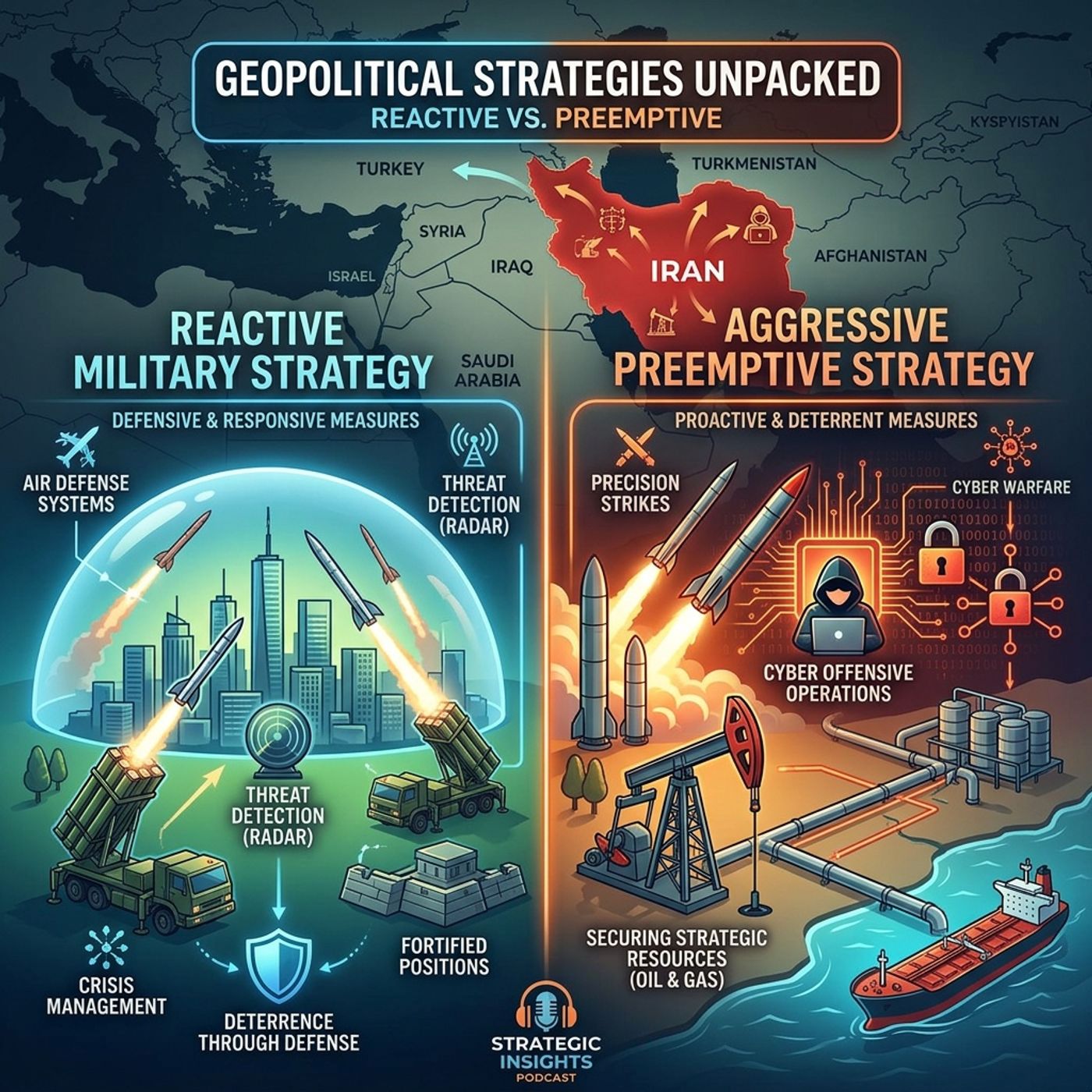
0:00Today, we dive into a significant shift in Iran's military strategy, one that's turning heads and raising eyebrows around the globe. Just this past January, Iran's Supreme National Defense Council announced a new doctrine that fundamentally alters the country's approach to threats. No longer just reacting to perceived dangers, Iran is now asserting a right to launch preemptive strikes based on what they describe as objective signs of threat. It's a bold move that sends ripples through regional and international security waters. This doctrine marks an end to the traditional reactive deterrence that Iran has relied on for years. Instead, they're taking a more aggressive stance, adopting strategies characterized by preemptive strikes and asymmetric warfare. And let's unpack what that means. With the rise of ballistic missiles and drones, Iran has escalated its operations against US, military bases, and cities in Israel. Reports indicate that hundreds of missile strikes have targeted Israeli
1:02urban areas, successfully breaching their well-known Iron Dome defense system. This strategy not only disrupts their adversary's military advantages, but also extends the duration of conflicts, making it increasingly costly for others to maintain a presence in the region. In tandem with missile attacks, cyber warfare has emerged as another tool in Iran's arsenal. They've ramped up cyber operations, targeting critical infrastructure and causing substantial disruptions in power grids and communication systems in neighboring countries. This cyberoffensive is a clever tactic, aimed at sowing discord and logistical challenges without the need for conventional military engagement. Moreover, Iran is leveraging its geographical position to apply pressure through energy coercion. The Strait of Hormuz, a critical artery for global oil shipments, has become a focal point in this new strategy. Iran has threatened to block access to the strait, which would have devastating effects on global oil prices and shipping costs. This avenue of pressure not only emphasizes Iran's
2:09desire to be heard on the world stage, but also highlights the precarious balance of energy security in international relations. It's essential to understand the perspectives surrounding this shift. From Iran's viewpoint, these actions are largely seen as defensive measures. They believe that with external threats looming, a more aggressive posture is necessary to assert their influence in the region and safeguard their sovereignty. However, that perspective starkly contrasts with how the U.S. and Israel view Iran's actions, as aggressive provocations and destabilizing moves that threaten regional security and international norms. International responses to these changes have been varied, with some nations expressing alarm over the potential for conflict escalation, while others push for diplomatic engagement to prevent a further deterioration of relations. The complexity of these dynamics calls for careful monitoring, as any miscalculation could lead to significant consequences beyond the Middle East.
3:12So, what are the implications of Iran's strategic transformation? It's clear that these military changes not only impact regional stability, but also demand a recalibration of how global powers approach security in the Middle East. With Iran moving towards a more unpredictable and aggressive military doctrine, international relations could undergo substantial shifts in the coming years. In conclusion, Iran's new military strategy signifies a transformative period in their defense policy. It reflects lessons learned from historical conflicts, a desire for deterrence, and a strategic realignment focused on regional dominance. As we continue to untangle the threads of military engagement, it's crucial to stay informed on these developments, as they will undoubtedly shape the geopolitical landscape. Thanks for joining the Fortune Factor podcast.
More episodes
More from Conspiracy Theories Exploring The Unseen

The Digital Mirage_ AI and the Death of Authentic Romance
Conspiracy Theories Exploring The Unseen

The Trust Trap_ AI and the Future of Romance
Conspiracy Theories Exploring The Unseen

The Ghost in the Machine_ Navigating AI Romance
Conspiracy Theories Exploring The Unseen

The Love Recession_ Why Digital Romance is Offline for Good
Conspiracy Theories Exploring The Unseen