About this episode
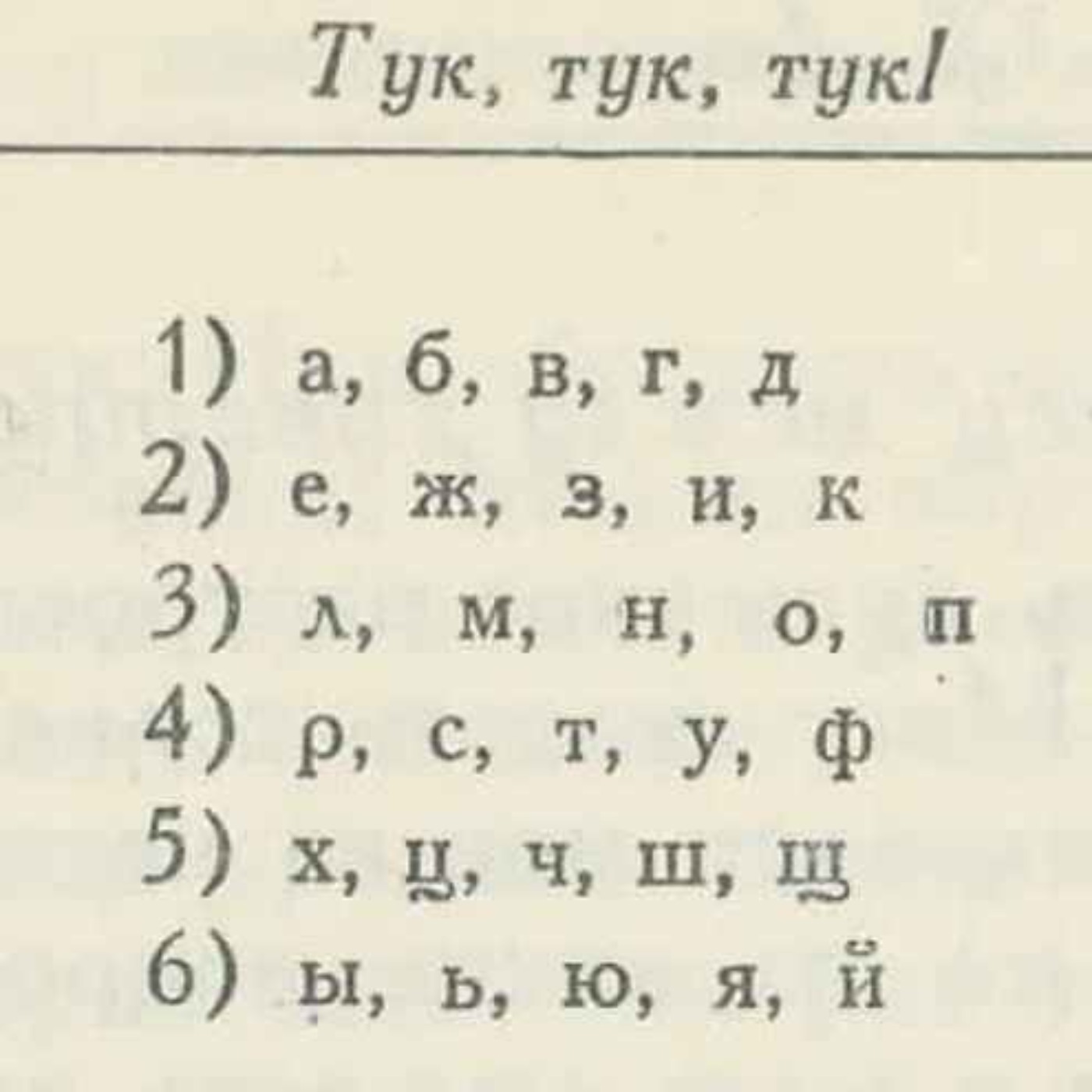
How did generations of Russian revolutionaries communicate in prison? Especially under strict surveillance, censorship and enforced silence? One way was through the sound of tapping. Prisoners used purposeful “tuks, tuks, tuks” in a coded pattern to communicate through their cells' thick granite walls. This syntax of taps developed in the 1820s and continued well into the 20th century. How did this tapping language develop and spread? How did it help concretize a collective revolutionary identity? The Eurasian Knot talked to Nicholas Bujalski to learn more about his prize winning article “Tuk, tuk, tuk!” A History of Russia’s Prison Knocking Language” published in the July 2022 issue of the Russian Review.
Guest:
Nicholas Bujalski is a Visiting Assistant Professor in the Department of History at Oberlin College. His writing has appeared in The Russian Review, Modern Intellectual History, and the Marx & Philosophy Review of Books, and his current book project is a cultural, intellectual, and spatial history of Russia’s revolutionary movement through the prison cells of the Peter and Paul Fortress. His article, “Tuk, tuk, tuk!” A History of Russia’s Prison Knocking Language” won best article in Russian Review in 2023.
Hosted on Acast. See acast.com/privacy for more information.
Get every episode summarized
Each time The Eurasian Knot publishes, we email you a written briefing from the transcript — the topics, who appeared, and any specific claims, with the ad reads skipped.
Email me new episodesFree for 3 shows. No card needed.
Hosts & guests
No transcript yet
This episode has not been transcribed. Request it and it moves to the front of the queue.
More episodes


