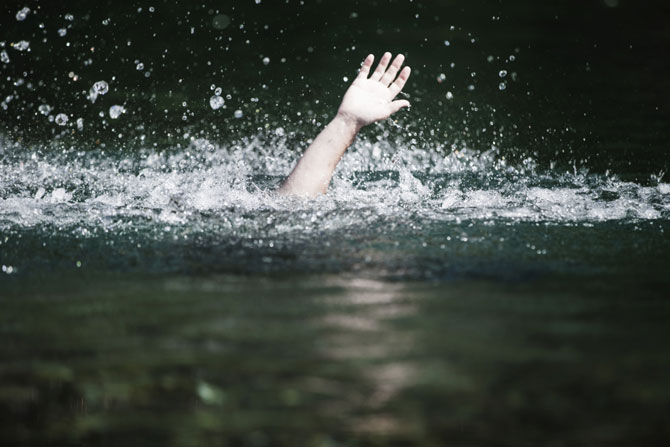
About this episode
Author: Chris Holmes, MD
Educational Pearls:
- Epidemiology: 80% male, ages 1-4 at greatest risk, African-American > Caucasian.
- Freshwater and ocean water may have more bacteria than pool water.
- Salt water is hyperosmolar, which theoretically increases risk of pulmonary edema.
- Greatest physiologic insult is from hypoxia secondary to fluid aspiration or laryngeal spasm. Patient survival is related to presentation on arrival.
- Workup includes CXR and ABG; consider C-spine immobilization/imaging when cervical injury is strongly suspected (i.e. diving injury).
- Treatment consists of supplemental oxygen therapy. Consider CPAP or intubation.
References
Szpilman D, Bierens JJ, Handley AJ, Orlowski JP. Drowning. N Engl J Med. 2012. 366(22):2102-10. doi: 10.1056/NEJMra1013317.
Schmidt A, Sempsrott J. Drowning In The Adult Population: Emergency Department Resuscitation And Treatment. Emerg Med Pract. 2015. 17(5):1-18.
Get every episode summarized
Each time Emergency Medical Minute publishes, we email you a written briefing from the transcript — the topics, who appeared, and any specific claims, with the ad reads skipped.
Email me new episodesFree for 3 shows. No card needed.
Hosts & guests
No transcript yet
This episode has not been transcribed. Request it and it moves to the front of the queue.
More episodes
More from Emergency Medical Minute
Podcast 1020: Benign Paroxysmal Positional Vertigo (BPPV)
Emergency Medical Minute
Sep 7, 20266:31completed
Podcast 1019: Trauma Blunt Cardiovascular Injuries (BCVI)
Emergency Medical Minute
Aug 31, 20263:47pending
Podcast 1018: Occult Ventricular Fibrillation on Echocardiography
Emergency Medical Minute
Aug 24, 20262:20pending
Podcast 1017: CPR Hand Placement
Emergency Medical Minute
Aug 17, 20262:51pending