About this episode
Author: Chris Holmes M.D.
Educational Pearls:
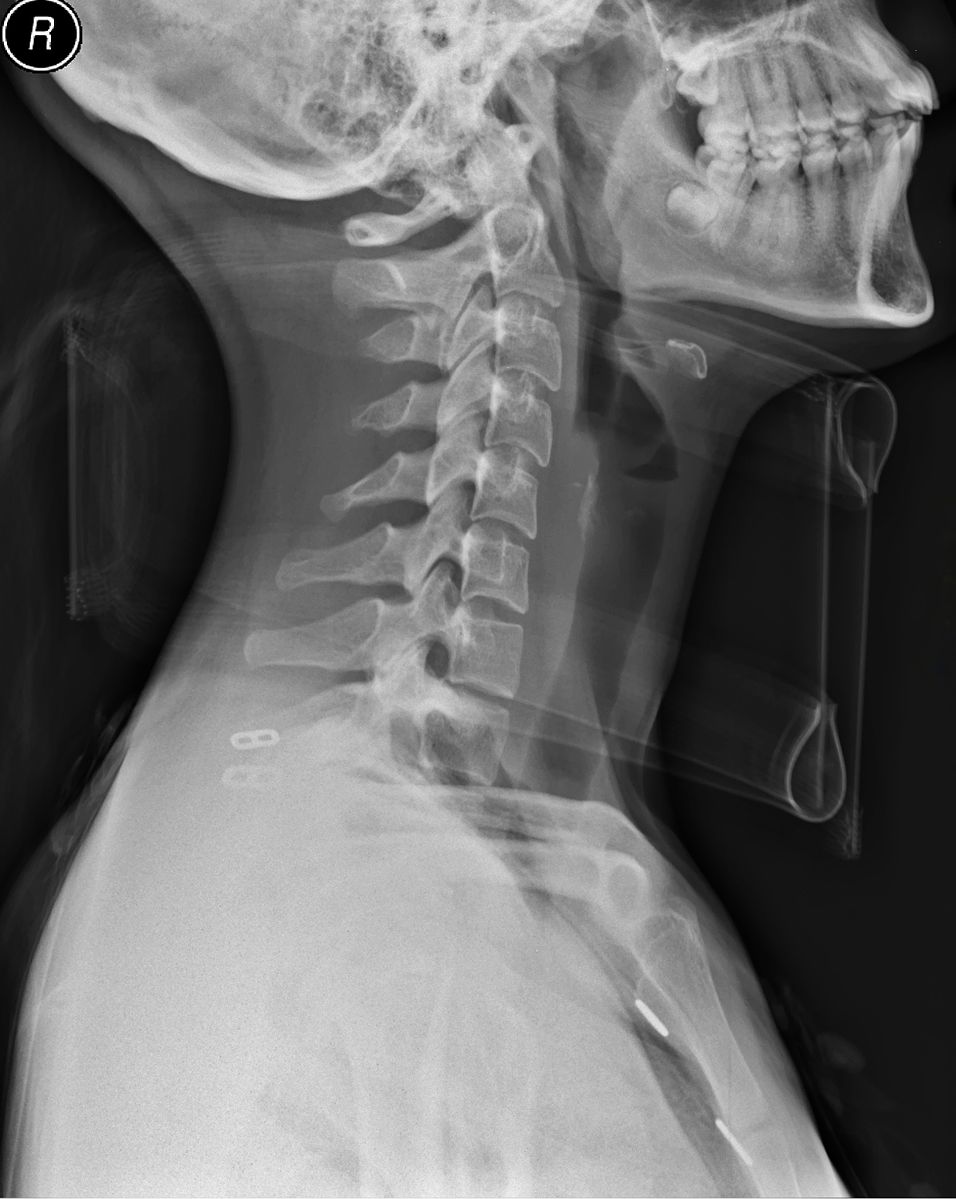
- Mechanism of injury involves hyperextension/hyperflexion
- Pathophysiology: inside of the arteries in the neck becomes disrupted, similar to a dissection. This is thrombogenic and leads to cerebral infarction
- Neurologic deficit is common.
- Other risk factors include facial fracture and cervical-spine fracture.
- Treat with anticoagulation - aspirin or other antiplatelet agents are appropriate.
- Increase clinical suspicion when patient presents with neurological deficit and has a negative CT.
References: https://www.east.org/education/practice-management-guidelines/blunt-cerebrovascular-injury
Get every episode summarized
Each time Emergency Medical Minute publishes, we email you a written briefing from the transcript — the topics, who appeared, and any specific claims, with the ad reads skipped.
Email me new episodesFree for 3 shows. No card needed.
Hosts & guests
No transcript yet
This episode has not been transcribed. Request it and it moves to the front of the queue.
More episodes
More from Emergency Medical Minute

Podcast 1020: Benign Paroxysmal Positional Vertigo (BPPV)
Emergency Medical Minute
Sep 7, 20266:31completed
Podcast 1019: Trauma Blunt Cardiovascular Injuries (BCVI)
Emergency Medical Minute
Aug 31, 20263:47pending
Podcast 1018: Occult Ventricular Fibrillation on Echocardiography
Emergency Medical Minute
Aug 24, 20262:20pending
Podcast 1017: CPR Hand Placement
Emergency Medical Minute
Aug 17, 20262:51pending