About this episode
https://g.co/gemini/share/6e1c90236e9e
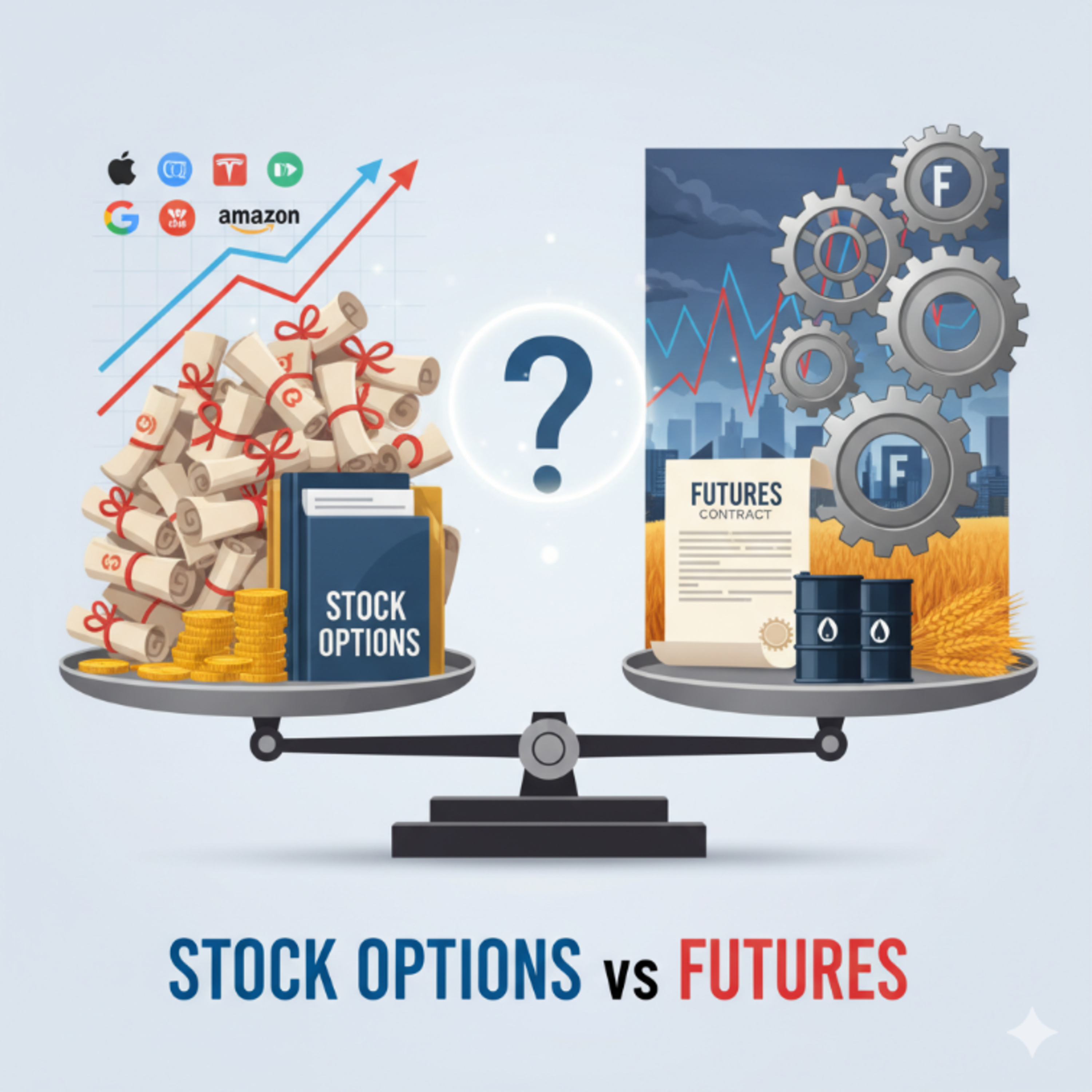
While both instruments serve the fundamental economic purposes of risk management (hedging) and speculation, they are grounded in opposing principles of financial commitment, which in turn dictates every aspect of their structure, risk profile, and strategic application. The core distinction lies in their classification: stock options are contingent claims, which grant the holder a right without an obligation, while commodity futures are forward commitments, which impose a binding obligation on both parties. This foundational difference is the genesis of all other distinctions, from the nature of the capital required (a non-refundable premium for options versus a performance-bond margin for futures) to their respective risk-and-reward profiles (asymmetric for options, symmetric for futures). Ultimately, the analysis reveals that the choice between these instruments is not merely a preference for an underlying asset class—equity versus commodities—but a fundamental decision between purchasing a choice and accepting an obligation.
Get every episode summarized
Each time Deep Dive with Gemini publishes, we email you a written briefing from the transcript — the topics, who appeared, and any specific claims, with the ad reads skipped.
Email me new episodesFree for 3 shows. No card needed.
Hosts & guests
No transcript yet
This episode has not been transcribed. Request it and it moves to the front of the queue.
More episodes
More from Deep Dive with Gemini

246: The pulmonary boat against INTERNAL DROWNING #Pranayama
Deep Dive with Gemini

245: What exactly is #Singularity
Deep Dive with Gemini

244: architecture of intellectual demolition
Deep Dive with Gemini

243: Life, Death, and the Lysosome - Architecture of Self-Destruction
Deep Dive with Gemini