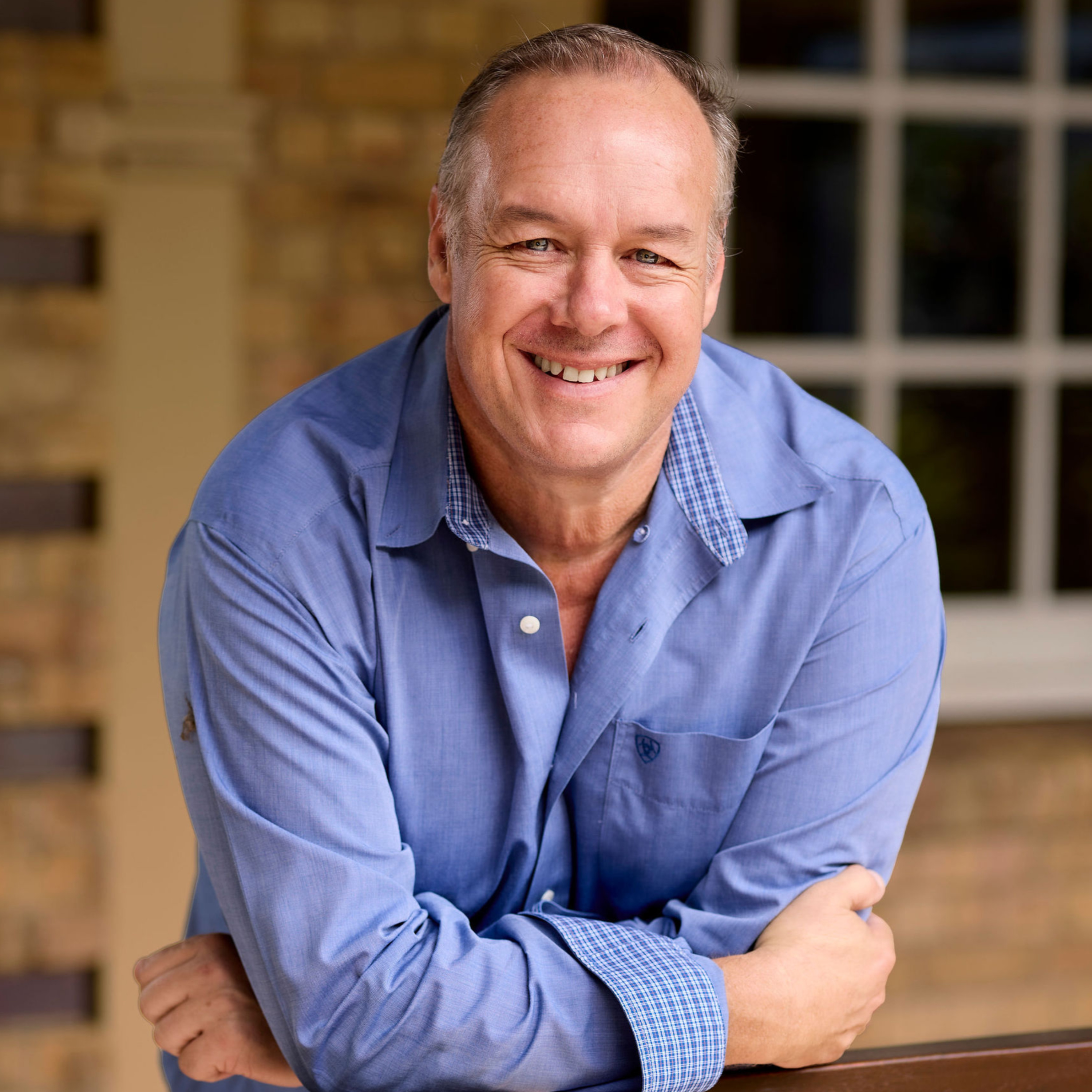
Mark Harvey Sutton, CEO ALEC – Live export update (16 March)
About this episode
ALEC CEO Mark Harvey Sutton brings Ben up to date on issues in the life export trade, including the impact of the Iran war
Interactive timestamps
Jump to segmentGet every episode summarized
Each time Rural Queensland Today with Ben Dobbin publishes, we email you a written briefing from the transcript — the topics, who appeared, and any specific claims, with the ad reads skipped.
Email me new episodesFree for 3 shows. No card needed.
Hosts & guests
Transcript ready
86 searchable segments. Every word is indexed and playable.
Full transcript
Rural Queensland Today with Ben Dobbin — Mark Harvey Sutton, CEO ALEC – Live export update (16 March). Machine-transcribed; use the interactive transcript above to jump the player to any line.
0:00Welcome back, Rural Queensland today on a Monday morning, the 16th, the Australian Lifestyle Export Council of Australia. Mark Harvey Sutton is the Managing Director. The CEO is the absolute voice of live export here in this country. He joins me this morning and off the back of so much unrest in the Middle East and what is actually going on and what our government are doing to protect what is one of the most important industries in our agricultural sector. Mark, good morning. Thanks so much for being with us. Good morning, Ben. Thank you for having me. Concern, I suspect it would be one word that I use with the unrest in the Middle East and just the kind of effect that it's going to have on your industry. Well, there's probably two main impacts. Ben, the first is obviously letting shipments go to the Middle East is a bit challenging. When the conflict broke out, we were pretty
1:00fortunate that there actually weren't any vessels on the water on right to the Middle East and that could be quite a problematic scenario if vessels full of livestock can't actually reach their destination because where Australia is by a security law, it's actually very hard to return them to Australia. So we avoided that scenario, thankfully. We did have one livestock, aircombs, they want to plane, diverted on the night the conflict broke out. But fortunately, we haven't had a scenario where we had stranded livestock. But I guess the problem that exporters now have, if they're planning to send shipments to the Middle East is just how do they plan what can they actually send those livestock or those sort of things. The other impact, of course, is its fuel, which is a pretty concerning scenario. Obviously, the price is going through the roof and the agricultural sector more
2:03broadly here in Australia is pretty concerned about what our supply situation looks like. What is that situation? That fuel situation is made. That is a massive, massive issue for live exporters at the moment. Well, it is, Ben. I think that the most obvious impact initially will be price because one of the fortunate things is the fuel coming into the country because one of the problems that we're having at the moment is the fuel actually reaching regional areas. So you'll have that problem of livestock trucks and everything filling up if there's a shortage. But at the actual port, there is fuel there. So I think that is fortunate in one sense. But of course, the price goes through the roof. That's going to be faster in the supply chain. So that's either the customer or the supplier. There
3:03has to bear those costs a bit. So it's going to be very interesting times, Ben. It certainly is. So what is the, what is like, obviously, it's got to get cooler for before the markets open up in the Middle East. But are there boats loading or plans still to go that way? Or where are you guys at? Or is it just everything's on hold? It's probably the simplest way to answer is probably to say it's on hold. But as always, with our industry, Ben, it's not always that simple. We've got exporters that do have livestock that have been purchased, that haven't been loaded. But some exporters who haven't started purchasing livestock for these consignments yet, and it all comes down. I mean, a lot of these consignments are going to Gulf States. And the straits are for moors, which is what the Iranians have closed at the moment. That's a real bottleneck for livestock ships too. It's the bottleneck for fuel. But that's where the livestock vessels would go to go to
4:07something like some of those Gulf States. So I think, you know, if you're an exporter that has stock, you're probably looking at what options you can do with those. And there are options available. You can get them processed domestically and things like that. Or you might hold onto them and ship them when you can. But if you haven't started purchasing your livestock yet, you're probably working out whether you actually do start buying them. What you do with the vessel you've got chartered and all those sort of things. But I suppose at the end of the day, it's such a fluid situation. And I know I don't have to say this, but I will say the thing that the exporter will always put first is, you know, the safety of people. And of course, the safety of the animals that they're going to ship. So that's going to be the paramount consideration all the time. I'm worried because of what has gone on. We have this in, and this is an important factor,
5:09and obviously a huge issue. But we've still got that elephant in the room of compensation payouts and still nowhere near even anybody. And we're going back to 2011 here. This is getting beyond embarrassing. Oh, absolutely, Ben. No, no, it's, I just feel for those people that have been waiting so long for an answer on that compensation. I mean, there is a hearing next week, I believe. Alex, not a party to that. It's mainly producer-driven, given the impacts, experience when the band happened. But it is. It's simply gone too long, Ben. It's not fair. It's not right. The federal court made a very clear decision that the decision was legal. Those people deserve their compensation. Now, I think it's the fair thing to do. Where, unfortunately, with the passing of time, you've seen people that have rather passed away, or things like that, but have meant that they haven't actually seen the outcome, which is terrible.
6:15So, you know, things should be righted, Ben. It's as simple as that. And hopefully, this court hearing next week gets the outcome that everyone's looking for. Well, it is important that we wait and see. Obviously, that is going to hopefully change the course. I know a lot of people are sitting back. Is the industry, have they lost faith in the government? And I know you have to sit at the table, but have they lost faith in your opinion in what the government do? Oh, the trickiest thing for the government. Now, this might sound a little bit obvious, Ben, but they are supporting the live cattle trade in its current state. But they say to me, why don't people have confidence in us saying that? And I say to them, well, you know, you're just shut down live sheep. You know, you've got this core case overhanging
7:19the head. I know you come out and say that you support cattle, but, you know, action speak rather than words. And that's why people question what you're saying. So, I think the job that I've got to do, Ben, is actually get the government saying it till they can't say it anymore. You know, at the end of the day, we do need their support to keep the industry going. And they need to understand that every action, every statement they make actually impacts confidence of the industry. And, yeah, unfortunately, the industry is a bit skeptical and it's pretty understandable why when you look at the track record of the government and what they've done to the industry. Yeah, you're damn straight. Hey, I really appreciate your time this morning. You have got some challenges and no doubt watching this conflict in the Middle East and the continuation and escalation of it is a concern for you, but I just hope that you guys can get rolling because it's an important part. I know there's obviously what going on in the territory
8:21this week in Darwin. There's plenty happening in this core case next week is important as well. Mark Harby Sutton, we really appreciate your time this morning mate. It is nervous times for your industry. So thank you, Ben, but if there's anything the industry has done over the past, it's proven it's resilient. So now we'll just face up to those right. Good on you. Mark Harby Sutton joining us this morning. This is rural Queensland today. We'll take a break. Come back with more
More episodes
More from Rural Queensland Today with Ben Dobbin

Sen Susan McDonald (2) – Taroom Trough, self-sufficiency
Rural Queensland Today with Ben Dobbin
Sen Susan McDonald (1) – Ongoing fuel crisis, Budget speculation
Rural Queensland Today with Ben Dobbin
Dobbo Chats - News (1 May)
Rural Queensland Today with Ben Dobbin
Matt Beard, RBV Rural – Sales reports (1 May)
Rural Queensland Today with Ben Dobbin