About this episode
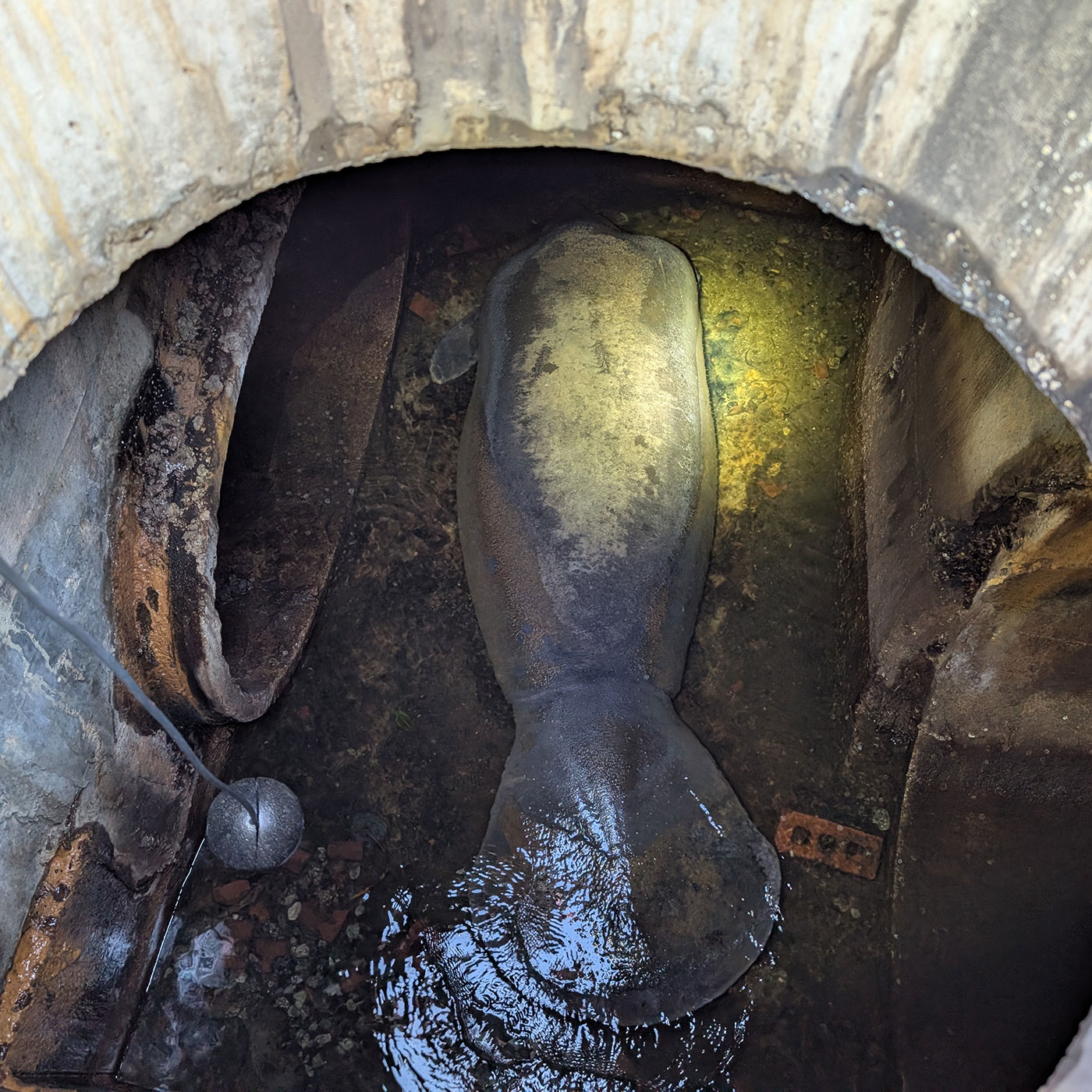
In February, responders in Florida successfully rescued a 7-foot, 400-pound manatee that had wiggled his way up a concrete pipe and became trapped in a stormwater drain under the road. The unusual rescue made international headlines, but it was all in a day's work for Brandi Phillips, the animal technical rescue specialist who helped lead the effort to extract Melby the manatee.
Phillips joins us on today's episode to chat about how the unique incident unfolded, the challenges of rescuing trapped animals, and what resources, including NFPA standards, are available to help guide agencies as they prepare for and respond to these sometimes tricky incidents.
LINKS
Learn more about NFPA 2500, Standard for Operations and Training for Technical Search and Rescue Incidents and Life Safety Rope and Equipment for Emergency Services.
Read and learn more about the University of Florida's Veterinary Emergency Treatment Service
Interactive timestamps
Jump to segmentGet every episode summarized
Each time The NFPA Podcast publishes, we email you a written briefing from the transcript — the topics, who appeared, and any specific claims, with the ad reads skipped.
Email me new episodesFree for 3 shows. No card needed.
Hosts & guests

Transcript ready
538 searchable segments. Every word is indexed and playable.
Full transcript
The NFPA Podcast — Manatee Rescue. Machine-transcribed; use the interactive transcript above to jump the player to any line.
0:00Hello, welcome to the NFPA podcast, I'm your host, Jesse Roman. Other than fighting fires, one of the public's most indelible images of the noble firefighter is saving the kitten from the tree. While this doesn't happen nearly as often as the cartoons and movies might lead you to believe, fire departments and other first responders do rescue thousands of our furry and not-so-ferry friends all over the world, not just from trees, but from roadways, wells, sewers, cliffs, floods, you name it. On today's podcast, we talk to animal rescue expert Brandy Phillips about a once-in-a-career type incident that happened last month, where she and other responders rescued a seven-foot 400-pound manatee from a storm drain in Florida. We talk to Brandy about the NFPA standard that provides guidelines on animal-technical rescue. We talk about best practices, training, and then we dive into the process and the challenges of one of the most unique rescues of her career.
1:02That's coming up, stay with us. Are you ready to transform the way you work, introducing NFPA Link, your resource for instant digital access to NFPA codes and standards? Link lets you find the codes you need faster at the touch of a button. Make notes, bookmarks, and save codes and standards you always refer to, and easily share code information with the entire crew. Plan start at just $9.99 a month, but you can try it free for two weeks. Experience a simpler, faster way to get the job done right. Visit NFPA.org slash pod link, that's NFPA.org slash P-O-D-L-I-N-K. My guest today is Brandy Phillips.
2:03Brandy is the technical rescue branch director at the University of Florida's veterinary emergency treatment service in Gainesville, Florida. As part of her job, Brandy leads a team that provides both training and assistance to local responders in the wide range of situations where animals need to be rescued. As you might imagine, her line of work is never boring, and you never know what you're going to get. Case in point. In February, Brandy was in the middle of leading an animal rescue training when a call came in that a seven foot 400-pound manatee was found trapped in a storm drain beneath the road. Brandy's worked for hours to free the animal, and he's now doing well, safely recovering at SeaWorld. The incident made worldwide news, was featured in places like National Geographic, and also got people thinking about who does this type of work, and how is it done? It's one thing to climb up a ladder and grab a kitten. It's another thing to rescue a seven hundred pound aquatic mammal from a storm drain.
3:05During this conversation, you'll hear Brandy talk a lot about the incident, the challenges it presented to both the humans and the manatee. Then we also get into a broader discussion about the technical aspects of animal rescue, including chapter nine of NFPA 2500, NFPA search and rescue operation standard, which covers animal rescue and many other things. Phillips knows the standard well, since she is a member of the technical committee that oversees and updates that standard every three years. The latest edition of NFPA 2500 is going to be out later this year. You can learn more about that in the link in the podcast description or visit NFPA.org slash 2500. This is a really fun and enlightening conversation with Brandy, and it's a fascinating topic, an important topic, and one we haven't covered in a really long time, so I hope you enjoy it. As always, any questions or comments can be sent to me at podcast at NFPA.org. We fill up thanks for being on the NFPA podcast.
4:05We appreciate it. Thank you so much for having me. I'm excited to be here. Please tell me a little bit about yourself. We just met. I don't know anything about you. Tell me a bit about yourself and how you came to be an expert animal rescuer. Sure. I kind of came into this in a strange way. I am a teacher by trade, but I've been involved in animal rescue my whole life. Obviously, as a little girl, I was really very much into animals and I did all sorts of different animal rescue from your standard pet rescue, horse rescue. I also had time to spend at a primate sanctuary and do some wildlife rehabilitation, but while I was getting my master's degree in education, I had the opportunity to help develop the curriculum for this particular training program that I'm affiliated with now, and I loved it so much. It was such a unique experience. It was my first opening into the world of public safety, and I couldn't stop, so here we are. You're at the University of Florida's Veterinary Emergency Treatment Service, which is part
5:07of the College of Veterinary Medicine. Tell me about what the Veterinary Emergency Treatment Service is and what you do there. Yes. This program was born out of the 2004 hurricane season where we had four really hard-hitting hurricanes pretty much back to back the impact of the state of Florida, and then obviously that was the year prior to hurricane Katrina's devastation in Louisiana. Because of those disasters, there was a high focus on how we manage these things, particularly as they relate to animals that was a gap that needed to be filled, and that was how the team originally developed. We are a two-headed program. We do disaster response from a veterinary perspective, so that looks like field hospitals generally. Our last major field hospital was following hurricane in down in Fort Myers for a 10-day span. Usually, my role there is primarily administrative because I'm not a veterinarian, but I do run our animal technical rescue branch, which covers a lot of training, but we also perform rescue operations within a two-hour radius at Nainesville as well.
6:10Who usually calls you? When you need to go out, if there's an animal, for instance, the one we're going to talk about, a manatee stuck in a storm drain, is it a public, is it a fire department? That's a great question. We always encourage members of the public to call their veterinarians and local 911 first, and then we will respond if local law enforcement, fire departments, and or veterinarians want to engage us in the response. We're going to learn more about what you do by talking about this pretty unusual incident that made the news in February. I had to rescue you and many other people, excuse me, I had to rescue this 7-foot, 400-pound manatee who I just looked up and apparently the manatee has a name now. It's named Melby. Melby, right? Who named that? Did you get to name it? I'm actually sure who named him, but he came from Melbourne Beach, which I think it's where Melby came from. That makes sense. So his name is in Melby. Definitely, the community sweetheart there now.
7:12So obviously, that's a pretty unique situation, and I'm sure there was a lot to it. Let's just start from the beginning. How was the manatee found and then when in the process did you get involved? Yeah, so city workers were actually doing some surveying down in the drain system when they heard some chirping noises, and they thought at first it was rats, but it didn't sound quite right. So on further investigation, they wandered into this junction box and discovered the manatee, which was obviously quite a surprise from there. They reported this to Florida Fish and Wildlife Conservation Commission, who typically is responsible for a lot of marine animal rescues in our area, but not being confined space certified and not being hazmattex. This was above and beyond their normal response. So that was when they engaged the county fire department who we were actually training at the time. We were down providing one of our training classes to guard county fire rescue and the sheriff's
8:15office when the call came through. And so half of our class was having to respond to this call and they asked us as large animal rescue instructors to please join them. Hmm. That's very fortuitous. It really was. So when you get there, I've seen pictures of this online and I'll hopefully we can use a picture as the background for this, the art for this podcast of people can see it, but I can also put a link to it. But basically it's just this, you know, this seven-foot-foot manatee in this, what looks like a concrete bunker and the poor thing can barely move. When you got there, what did you see when you actually arrived on the scene? Yeah. So I've seen by the time that we got there, obviously Fish and Wildlife was already there. The city workers were all there, fire department and we showed up along with law enforcement. So the community definitely knew that something was happening, but really the only visibility was through a manhole from the road.
9:15So we had the manhole open and once you peered inside of the manhole, you could see pretty much the entirety of this junction box, which the manatee filled most of with his body. He definitely took up the length of that junction box. There was no opportunity for him to be able to turn, and he had unfortunately kind of hit a dead end once he reached that space and had nowhere else to go. And we think that, are you think that he swam up through the pipe to find warmer water? Yeah. So Florida had an unusually cold winter, actually the last two winters, and this has been really devastating for a manatee populations, one because it decreases the amount of available food through the loss of vegetation, but also they are very cold sensitive, despite the fact that they look like big fatty animals, they actually have pretty low body fat, so they're very susceptible to a lot of injuries due to cold. So the thought from the wildlife biologists on scene was that he had actually found an
10:17opening to this pipe system and was able to use his pectoral fins to kind of crawl because water levels were low too and just kind of kept crawling until he reached a point that he couldn't go any further. Yeah. He was stuck in this box. So I guess just walk us through what you did or what you and the team did from that point forward. You had people from your staff onsite. You had the fire department people that you were training. How did you go about figuring out what to do next? Yeah. It was a massive community effort and it really required a lot of different players to make for a successful outcome. Manatees are poorly designed to fit through manholes, so clearly that wasn't going to be an exit strategy. And it was a third of a mile back to the waterway where he had entered into this system. So really not a lot of good options except for a vertical lift, which meant that we had to make a plan to one, be able to remove that roadway and then to be able to get this
11:19patient into a sling and lifted vertically out of that hole. So it took a lot of community partnerships. We engaged the county's road and bridge to be able to come out and be able to provide the heavy equipment and the skill and the expertise to be able to remove that roadway. We had our fire department with the technical rescue team there able to manage the confined space aspect of it. We had to provide ventilation to some air quality monitoring. Make sure that entry was safe when we had to have entrance in there. And then a towing company, a local towing company, Jax was able to donate their services in time and resources to be able to provide the truck that was able to vertically lift that manatee out. Hmm. So we got lifted up with a tow truck. Yes. So you mentioned the confined space and the air quality issue for people who don't know about that or why you would have to monitor air quality in a situation like that. Yeah. So it's really something that I think a lot of folks are unfamiliar with the hazards
12:23of in these underground spaces that are confined. You have a lot of issues with air quality, whether that's changes in oxygen, whether that's toxic gases, whether that's flammability. And so having a pulse on what is going on with that atmosphere under the ground is really important to determine how we can safely access our patient and be able to move them. To be honest, although we don't rescue manatees out of storm drains terribly often, storm drains are a very common animal technical rescue. I think everybody's familiar with the local story of fire departments and law enforcement officers pulling up kittens and ducklings and things like that from storm drains. But truly these are confined spaces and do have a strong potential for hazardous atmosphere and need to be treated with care. You said you had to cut away the roadway in order to open up enough space to pull the manatee out. How do you protect the manatee in that situation? And then also like I imagine if I was a manatee, well, I'd be freaking out probably before
13:26I started cutting the road. But then once you started making all this lad knows cutting the road, there are all these people around. I imagine the manatee was pretty stressed out like how do you manage the manatee during all of this? Yeah. That's a great question. So being wildlife, you know, definitely changes the game a little bit compared to our livestock and companion animals. So there wasn't a lot of opportunity for medical intervention for this animal until he was out of that situation. We were concerned about the stress from the sound and obviously the potential for debris. So one of the early things that we did in this response before the removal of the road was to send an operator down with a rescue guide that we were able to place over top of the animal to hopefully minimize at least some of the the layered debris from causing any potential abrasions and things like that and disrupting the animal. So once we placed that glide, then we were able to kind of move forward with that process. And as soon as we were able to the wildlife biologist went back over the hold to monitor
14:28animals' respirations as best as they could from the top to determine how his condition was. And fortunately, he stayed pretty stable despite all of the chaos happening. Is the glide just basically like a blanket or something? Yeah, it's similar to for those in the fire service that are used to technical rescue. It's basically a sked, but for a large animal. So typically we'll use those to move animals who are not ambulatory, but quite large. And it's just a big plastic sheet that's intended to be protective of their skin from abrasions. Gotcha. And then once you had the roadway opened up large enough, the whole opened up large enough where you could actually lift him out, did you have to go in there with him and like hook him up to some kind of something to like bring him out? Like how did that work? Yeah. So Florida Fish and Wildlife provides a lot of really great resources for calls like this. They do marine animal rescue fairly regularly. So they have some specialized slings and things like that to be able to maneuver those animals. So we had a really quick lesson on movement of animals between our team and NFWC.
15:33We had to get a little bit creative because of the situation that he was in. So it was a combined effort with techniques to be able to manipulate him. And ultimately once we were able to open that space, we were able to send two operators down who were able to get some straps around the animal so that we could roll him and move him in such a way that he could be positioned on that sling for removal. I imagine situations like that when you are in a confined space with a large animal. I don't know how strong or aggressive manatees are. I don't really know much about them other than looking at cute pictures of them online. But do you worry about just like getting crushed or like the animal like hurting the responders, especially if you're in like a confined space with them? That is absolutely a concern, you know, and we didn't have a scale down there. So we were unsure of the true weight of the manatee at the time except that we knew that he was quite large. Manatees generally are known as gentle giants. They don't have natural predators. They are not predators themselves. And so typically out in the wild, you're not going to encounter a manatee in an aggressive situation
16:36most of the time, but certainly being trapped in this confined space and being scared and being stressed is certainly a concern that this animal could cause problems for the first responders that were down there. So that was a critical aspect of our pre-planning to figure out where they would be located in that space to avoid injury, particularly from the tail of the animal. When you say pre-planning, I essentially mean I'm sure just like you're standing there above the hole, like trying to figure out how you're going to, because there's no way there's no meaning. Not true planning in the sense of we have a lot of time to wipe word this out ahead of time, but certainly in our conversation in advance of putting anybody down, here's how we anticipate things going. This is the plan of action if this happens, then we'll put into this. And so just engaging in that little bit of conversation ahead of time to ensure that we have safety plans in place to be able to retrieve the personnel that were down there. So we're going to talk a little bit about the chapter in NFPA 2500 that talks about animal technical rescue.
17:38So I know that obviously there's some best practices and there's training that you all do, but I imagine you run into situations in this job all the time where there is no real, there's no manual on here's how you rescue a man, a manatee from a storm drain. So I imagine a lot of it's just kind of figuring it out as you go. I imagine that's a big part of your job, right? Absolutely. That is that is the name of the game. We're always trying to come up with different solutions for novel situations, but a lot of it has been done in other spaces and places before. So much of what you'll find in the animal technical rescue chapter is relevant to a lot of the other considerations for technical rescue. We're operating in confined spaces. We're often using rope rescue systems. We may be operating in swift water environments. And so a lot of these disciplines that already exist and have a lot of really great information. We're using a lot of those skills techniques and principles and just applying it to quite literally a different animal in terms of like the partners that you work with as well.
18:42You mentioned several that were on this scene. Is it pretty standard like when you're doing something is it like this is always the same types of groups of people there or does it really depend on the situation? Certainly depends on a situation, but it does usually require engagement from a lot of community partners. This is definitely not the first time that we've engaged towing companies to perform vertical lifts for animals. They often have heavy lifting equipment and tools to make that more successful. So that's always a strong positive to have a relationship with those in the community. The fire service comes with a lot of training and tools and and safety options. So they often are engaged in this, but typically we also like to find a veterinarian who can engage because they're going to be obviously critical for the health of the animal, but also for the safety of the responders in terms of maybe being able to provide sedation and things like that for the animal as well. But then there are certain cases too that you may involve some other players. So a lot of times we think too about incidents involving trailer overturns on highways,
19:46which can happen in a lot of different places. And involving your local catamins association or day working cowboys in those calls can make it a little bit easier to manage loose animals on a scene. I imagine you have a roll of decks of people that you're just like all right this is the tow truck driver that we used in 2020 to transport that that manatee or whatever like let's give him a call like to just have like kind of a a list of people that you've worked with they are like we need this person for this this one. Definitely and we encourage to very heavily in our trainings throughout the state that teams find those local resources under blue skies so that you can develop those relationships in advance because the last thing that you want to do on a scene is to have to find those resources in the moment. So it's much easier if you have these relationships and connections already pre-established. Yeah that makes sense. You mentioned that you were doing training well you know this was going on which by the way it must have been like the best training class ever. I'm sure the people that were in that class were like this is amazing that we're
20:48going to do this. It's like perfect hands-on training but talk a little bit about training and what's involved and how often you do it and kind of what you do during training. Yeah so this actually surprisingly is not the first or even second time that we've had a rescue call in the middle of a training. It's something that we've encountered a couple of times now but it is something that we primarily focus on because at the University of Florida here in Gainesville where somewhat geographically limited to how much we can respond to. So when this team was initially created it was immediately recognized that training was a critical part of it and the point of that is to empower our local communities to be able to respond effectively to these emergencies. So during those trainings we do a lot of scenario-based activities where we utilize horse mannequins and put them in different situations. So after we learn the basic foundational principles they can actually put those skills to the test with something that is similar to a horse. It's at least horse shaped. And is it typically you guys at the emergency
21:53treatment service that are training local fire departments? Are you training yourselves like how does that work? Yeah it's all of the above that takes a lot of cross training for us to make sure that we are able to be educated and qualified to do these responses ourselves. So I do a lot of cross training and other technical rescue disciplines and I'm frequently recertifying and things like Robescue could find space, BMR, Swiftwater to make sure that I'm as up to date on all of those practices and principles because again we're using all those same techniques just applying it to non-human animals. So there's a lot of training for us involved but also in those trainings with with the local communities we're training fire departments, we're training law enforcement, we're training veterinarians, we're training our veterinary students at the University of Florida, we're training livestock owners and people involved in animal rescues and we've also worked with several zoos as well on strategies to make sure that they're encouraging the safest practices. How unique is your group, you know obviously you're very specialized and I'm sure you have a
22:57lot of experience are there similar organizations throughout the US and world to do this stuff? There are there are other organizations that perform the both the trainings and the operations. So you do see teams like this, we are primarily focused on the state of Florida but all across the United States and worldwide you see more teams that are doing this as well. So I did bring up NFPA 2500 which is the standard for operations and training for technical search and rescue incidents and live safety, rope and equipment for emergency services. So it's it's kind of a mouthful but it's because like many other of the NFPA response standards it was recently consolidated so when that happened it got a lot more information the titles tended to get a lot longer too but as I mentioned before there's an animal technical rescue chapter. I'm guessing in some of the more rural places I'm not you know I'm sure a lot of times it's just fire departments you know doing a lot of this stuff and other responders as well some with you know varying
24:01degrees of resources but for people responders departments who aren't as familiar maybe with the animal technical rescue stuff could you just talk about just that chapter and what some of the info in there is and what kinds of things could be useful for fire departments that might not be as familiar. Absolutely so a lot of what is kind of unique about the animal technical rescue chapter is the behavioral principles and cues and having a recognition of how fighter fighter flight responses work for these animals and how we can adapt our behavior as responders to get as much cooperation as possible from our patients in these environments so that's definitely a unique aspect to our technical rescue chapter compared to some of the others. In addition we've added some information about fire security as well because that is a growing concern across the agricultural industry that a lot of folks in public safety may not be quite as aware of just yet although we are
25:02seeing a lot more knowledge and information being shared about things like highly pathogenic avian influenza that is something that has affected specifically dairy farms but also big cats and even people's personal pets and it has crossed over as a zoonotic illness and affects human health as well. So as we're encountering some of these different animal diseases and things of that nature it's important that our first responders are aware of how they can help control the spread of these diseases as they're moving throughout their response areas so really important to have an awareness of basic biosecurity principles how to decon your boots your truck tires so that your phone lights meaning anything that could carry that pathogen doesn't spread as you respond to a different call after leaving a farm. So just some basic awareness about some of those things that typically aren't top of mind in the fire service. Interesting yeah I hadn't thought about that. Is there any
26:02PPE that it should be used for these types of things or is it just mostly about decon afterwards? PPE is definitely a critical aspect and it just kind of depends on the nature of what's going on so it's important to kind of have a pulse on what is happening in your area what events might be occurring and speaking to your local agriculturalists and your cooperative extension agents can give you a good handle on what what is around and what PPE you can use to proactively protect your community and also protect yourselves and your own families. The new edition of 2500 is coming out I think what later this year right is there anything in there that's like a really big change or anything that'll be particularly impactful for for responders that they should know about. So less about the proposed changes but I think this has been as a committee member something that's important to me to share and and tell me if you think this is worth us adding in but I think it's really important that people recognize that they as the public have the opportunity
27:04to make comments and and put input into this and and I think that knowing that all of those changes that do occur occur because we want to keep this as user friendly as possible and to make it make sense for the end user. If anything I'd like to plug that people have the opportunity to make input and committee members do want their feedback and and that we're always growing and changing these documents to make sure that they are meeting the needs of the end user. Do you guys tend to get a lot of input on the technical rescue document or some years we get more input from the public than others but definitely I think that there could be more input that that comes through I think a lot of people generally aren't aware of how much ability they have to drive how these standards work but our committee members are very much interested in making sure that this is a high quality product that's that's very usable. We want it to be making sense to the folks that that are out there and operating on a daily basis and so having having your feedback and having the ability to
28:07understand how this affects you where you're coming from with it is going to help us make better decisions as committee members. I'm sure that most of the responders listening here have some level of knowledge about technical rescue or rescue for humans right they train on that all the time animals maybe not so much is there like a quick thing to remember or quick couple things that are like okay this is like a human but different in these ways I imagine like the animal obviously can't just willingly help you or take instruction imagine would be like the the first thing but what are some of the key few differences that really make animal rescue different than human rescue? I will say that one of the principles that I stress most heavily in our trainings and while we're operating on scene as slow as smooth and smooth as fast it's really critical that we operate on a timeline that makes more sense for the animal than what we're typically used to. It's very easy for us as operators to want to go in get the job done and get back to service as quickly as
29:12possible so that we can make the maximum impact on our community and that makes good sense in a lot of situations and some of these technical rescues have a sense of urgency certainly to them but more frequently than not the situation is a little bit more stable and we're able to take our time and if we slow things down and we give the animal the opportunity to adjust to what is happening around them then we'll keep better control over their behavior and that will help us more effectively in the end so that is definitely something that's important to consider and another unique aspect to this is human life and animal life are definitely different animal welfare is of critical importance and as an animal owner lifelong animal lover myself this is something that's hugely hugely critical to us but a big reason why we do what we do is because we don't want animal emergent disease to burden into human emergencies and so taking that time what our least hazardous is and what are all of our avenues sometimes unfortunately that means that we don't get a successful
30:18outcome for a living patient and humane euthanasia might need to be considered as part of that process we do have that avenue that is unique to animal rescue compared to human rescue and sometimes that is a really big gift that we have but unfortunately that's not why any of us got into emergency response we always want to have a great outcome for our patient and I think the most important thing to keep top of mind is human life safety first you mentioned having a vet unseen before I imagine that's a pretty critical component too should that be like if a fire department gets a call to go save some animal rescue them is it important to have a vet on scene should they be calling somebody to come with them absolutely it's always great to have a relationship with a veterinarian who can come and support these missions again because the welfare of the animal is definitely going to be improved with the media veterinary care they're going to be the most qualified individuals to be able to determine how to prevent further injury city animal and make sure that that animal has the most successful recovery outcome however one of the challenges is
31:23that large animal veterinarians in particular are sort of a dying breed across the country where seeing lower and lower rates of veterinarians entering the field and going into that line of medicine so my best advice for fire departments is to establish them contacts with your local veterinarians and if you're able to find some you know stay in good relationships and good working relationships with in advance of needing to use them for a call like this because you certainly want to have their help and support they can provide a lot of opportunities to keep responders safe in terms of restraint for the animal including chemical restraint as well I would imagine colleges and universities would be a good place to check as well because most of the vets I see are just cats and dogs but seems like in you know like University of Florida is a great example it seems like some of these colleges universities do have some more specialized people on staff so honestly one of the greatest parts about colleges and universities is thinking about who your land-grant
32:23institutions are for your state so the University of Florida is one of ours for Florida we also have Florida A&M University out in the Panhandle and you're absolutely right those are excellent resources you may or may not have a veterinary school in your state but you likely have a land-grant institution that comes with a cooperative extension and that's a really underutilized tool that a lot of folks don't recognize as a resource but the point of cooperative extension is to extend research and education from those institutions out into the communities and historically it came from an agricultural and mechanics background and now incorporates a lot of other things but typically your cooperative extension agents are going to be a really great connection point to you for local veterinarians and other resources that might be helpful in these events that's that's a great idea and usually people who are experts in things or they have a lot of knowledge and something are really eager to share their knowledge do you have I've learned absolutely to be called very passionate group of people yeah if there are far-departments or
33:27interested individuals out there listening to this and want to build up their capacity or knowledge or preparation for this the standards is helpful in regard there are other good places to start for you know other resources that you'd recommend people check out yeah definitely look to see if you've got a regional group that is providing these kinds of trainings if not and then you're not able to locate them you can certainly contact your cooperative extension agent and see what they might be able to provide in terms of resources but also networking and and being engaged with your local agricultural community your local livestock community is going to be helpful don't forget the small animals it's not always livestock that we encounter in technical rescue environments it can be companion animals as well so partnering with local sheriff's departments and animal services can certainly be an asset as well it's all about building those community partnerships because it does often take a village to make these responses have the best outcome so I want to close with just
34:28talking more about the manatee first of all how do you get the manatee on the truck do you have like a giant tank and then how do you transport it went to sea world I understand like how does how does the actual like manatee tripped sea world go yeah so the transport of the manatee is definitely a very interesting thing a lot of folks on scene were concerned that we would have to have some kind of specialized truck with a tank and actually manatees can sustain out of water for a period of time in the case of melvie he had already been out of water for at least a week estimated by the biologists and the veterinarians that assess him later at sea world the tank that he was in was very very shallow so he was really supported without a lot of a lot of water so to move him in that truck it was just a box truck once we were able to hoist him out of that hole we sent him down on the ground away from the hole where they were able to do a real quick assessment on him and then with manpower we lifted each sides of the sling to be able to load him into that truck where he was
35:31able to have some warming blankets and things like that because that was the the primary factor for him in route to sea world was maintaining that body temperature hmm so you basically just loaded him into a u-haul with some like heated blankets pretty much it was a very fancy u-haul that's that fitted specifically for manatees and had some cool paintings of manatees on the side but basically yeah a u-haul truck interesting so was he in okay shape he said he'd been out of water for like a week that does not sound great was he okay yeah he did have a lot of signs of cold stress and stress from being out of the water and obviously without food he's quite underweight for where he should be so that's why he's that sea world now the good news is that once they were able to get him into a heated tank at sea world he immediately started showing signs of purking up eight right away that first night which is always a good indicator and he has been reintroduced to a couple of other manatees so he can engage in normal social behaviors while he is in the process of getting some more weight recovering from some injuries from being in that
36:34cold tank for a little while and he'll be able to be returned to the wild hopefully in a few months that's awesome glad that worked out well for Melby and I'm sure he appreciates your help and everything that all of you did for him before I let you go I have to ask you since you are in Florida and you do this kind of work in Florida is just kind of known for crazy stories seems like stuff happens in Florida and plus there's so many interesting unique animals in Florida mixed with storms you must have some interesting stories like do you have any other notable incidents that you've worked on that standout that you can tell us about we do get some wild things the manatee was certainly a unique thing in terms of species more often we're using our response techniques on on livestock and companion animals but certainly we do get some really interesting cases notably here in north central Florida we have a lot of sinkhole activity and those sinkholes pose some really significant threats to animals and people as well unfortunately we have done a lot
37:42of those types of responses and we have been largely successful in those but I do like to share especially in my trainings one of my less proud moments in my time as a responder for these types of events early in my career I didn't have as much of the background that I have now in the cross training in the other disciplines and we responded to a hug that was 40 feet down in a basically a lyrac chimney that had recently opened earlier that day we arrived on scene there were children all over at the map of the hole and the only reason that we really knew that this animal was down there was because we could hear her barking and there was no visual no way to to really orient where this patient was except for down so we measured with webbing and things like that estimated that the foot the hole was about 40 feet deep at that time I had again a very early and rose
38:43into view of how rescue was I moved just enough to be dangerous and we made the decision to send a person down from a portable high point acre system via ropes into this hole to get this pug we were successful we did retrieve the pug and we did retrieve the rescuer that went down but we did not do any air quality monitoring we did not do any ventilation there was no way to shore the sides of this sinkhole to prevent further collapse and I think that it's really important because this story went international when it happened and unfortunately through that we trained a lot of people on improper techniques and unsafe ways to go about rescuing animals so that is something that I do carry with me on a day-to-day basis as I go throughout my my job and share that story with as many folks as possible to untrain those kinds of habits and behaviors it's easy for us to want to provide a great outcome and to look like heroes but we've got to be able to check
39:45that ego and keep safety at top of mind and that's a big reason why I love being involved at the NAPA and that I think these standards are so important because at the end of the day ensuring that these animal emergencies don't turn into human emergencies is the biggest reason why we all need to be doing what we're doing that's an interesting story thanks for sharing that as animal lovers I'm sure it's so hard when you see a situation like that right like the first thing you want to do is just get that animal out as fast as possible do I totally empathize and understand that um manatee must rank pretty high as like the most interesting animal you've saved do you have anything that it's comparable to that have ever saved like an alligator or something gosh I really don't know how we're going to be able to top a manatee that's a pretty impressive one most typically it's domestic animals but yeah this was definitely something something for the the history books all right Brandy well it was very nice talking to you and I learned a lot about
40:47animal rescue and manatees and I'm glad that our story has a happy ending so thanks so much for coming on and telling us about it and teaching us more about animal technical rescue absolutely thank you so much again for having me and that does it for today's podcast thanks so much to Brandy Phillips you can find out more information about NFPA 2500 at NFPA.org slash 2500 or you can just click the link in the pod description it'll take you right there I also put a link on there to the University of Florida's veterinary emergency treatment service if you want to learn more about that and read about that if you want to drop me a line about the show or offer some suggestions for future shows please get in touch with me at NFPA.org slash podcast thanks to all of you responders out there including the ones who rescue our furry and not so furry animal friends we need people like you
41:48in the world and the animals do as well so many thanks to you and many thanks for listening we'll be back in a couple weeks with a new episode until then stay safe you the National Fire Protection Association is where hands-on meets high tech from solar safety to smart sprinklers because NFPA believes constant unparalleled knowledge is real power discover the power of fire and life safety expertise at NFPA.org
More episodes