About this episode
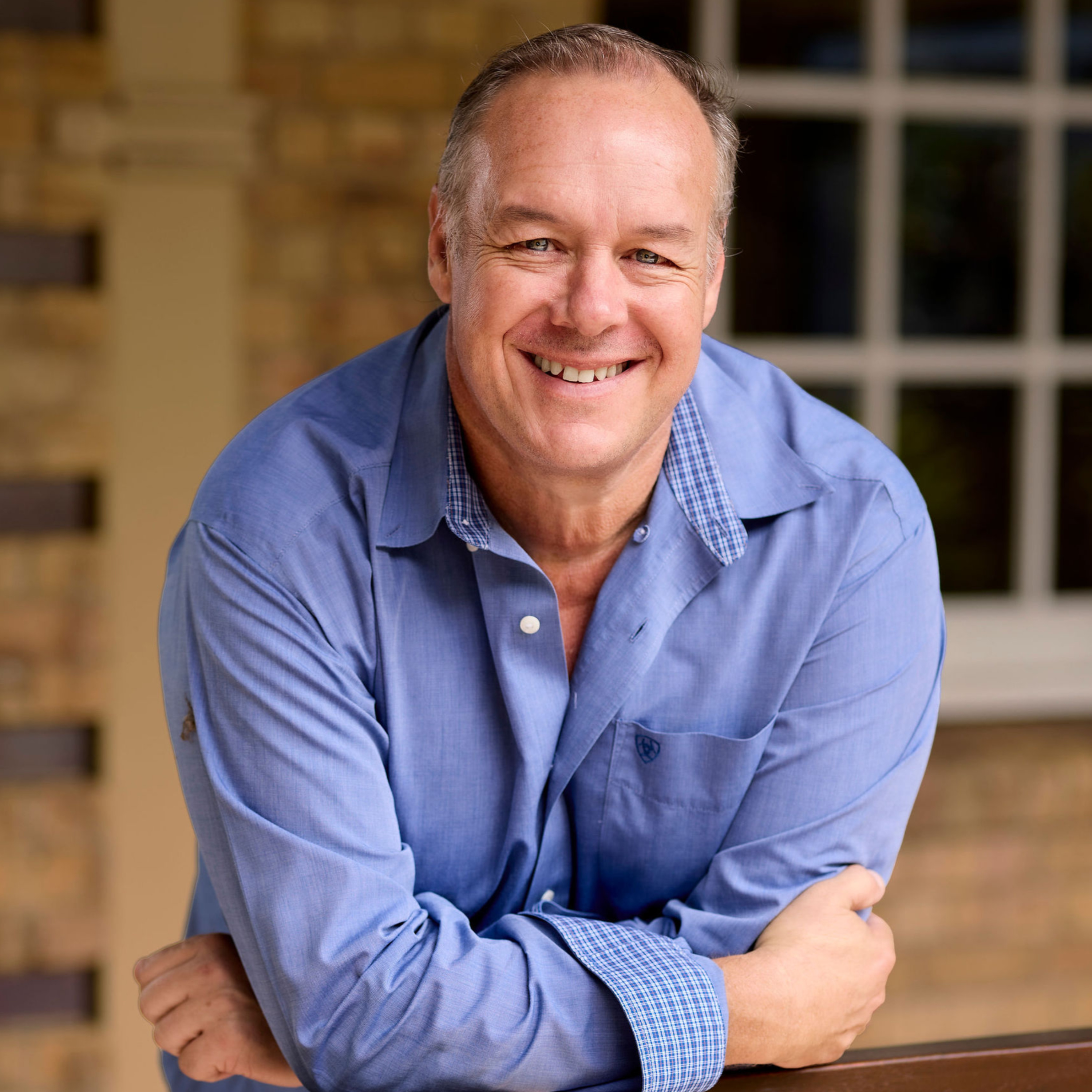
Jim Willmott from Property Rights Australia talks to Ben about the locals meeting about the Kumbia wind farm
Get every episode summarized
Each time Rural Queensland Today with Ben Dobbin publishes, we email you a written briefing from the transcript — the topics, who appeared, and any specific claims, with the ad reads skipped.
Email me new episodesFree for 3 shows. No card needed.
Hosts & guests
Transcript ready
148 searchable segments. Every word is indexed and playable.
Full transcript
Rural Queensland Today with Ben Dobbin — Jim Willmott – Kumbia wind farm (6 March). Machine-transcribed; use the interactive transcript above to jump the player to any line.
Welcome back to Rural Queensland today on the Resonate Broadcast Network. That meeting last week in Cumbia, the community meeting was just quite unbelievable. And I want to congratulate what was a extremely impressive article written in the Queensland Country Life by Bella Hanson. And this is off the back of the standing room, only meeting that took place at Cumbia Hall. Now, we spoke to the Mayor last week, but Jim Wilmot, who has been a regular on this show, is the Vice President of Property Rights Australia. He joins me this morning and to talk through this renewable fiasco that is going on in their neck of the woods. Jim, good morning and thank you so much for being with us. Good morning. Good to be here. Mate, firstly, standing room only meeting, we thought it would go that way with residents demanding the Queensland Government calling all projects until this setback and enforceable decommissioning rules are written into the law. Now, I want to start by saying that that meeting with Cathy Duff, with more than a hundred
people there, was delivered respectfully. Yes, people are angry, over noise, over bicycarious, over damage, over water security, over setbacks, over safety concerns, decommissioning. That was a very positive meeting. Look, it was like in a standing room only, only double, and like we had people from outside the region too, like you said, people from Wombo came over, but also as far as Mill Maren. And people were respectful, listening people, they're scared. And I think with what's happened out at Wombo, and in a few other areas, and just in regards to wind farms, are people scared that they haven't got enough protection and that they're really his policy gaps, that still need to be plugged, and people want these projects stop and making sure that these protections are turned up or in place before these projects get approved and carry on. So what was the big thing, and I understand the decommissioning, and we've seen the Attorney
General in a time saying that it was going to get written in, and Bryson heads also, and Bryson has said that there's been some changes, but we haven't seen anything. Is the setbacks for noise from a resident, and the decommissioning the biggest factors? I'm looking, but one of the biggest factors, and the other thing that came up was the impact on groundwater, so, and there were experiences there with the amount of water used in the turbine bases at Wombo, and people, and for dust depressions. So people are really, I guess, concerned that with limited groundwater, in that area of Toronto West, West of Kinga Roy, where these companies are going to source the water from the builder bases and for dust depression. And people, I did see a few comments on the Queensland Country life story, well, you
know, it's just a drop in the ocean, the amount of water used, but you've got to remember that these giant wind turbine bases, there's enough concrete in there to build 800 house foundations in each base. So look, there's nearly a roughly 100 turbines in Toronto West, and so, you know, that's 80,000 homes equivalent foundation bases. So that's a lot of water, and reds, and the people there, they couldn't answer where they were going to get the water from, and farmers from the local area, they survive on that groundwater. And when you look at the Winco 23, there is nothing in there about the protection of groundwater. So that was a new issue. That's the continued things. Every time you peel the onion back, there's another layer to this. Now, we haven't mentioned groundwater at all, but they've got to do that. We've talked about a lot, and I've been big on this, and you've been a big part of this.
The 1.5 setback from a dwelling and the noise. And we know fundamentally at Wombo, that that's an issue. Now, Tara Winfarm, I'm speaking to Kirin, he said, listen, we want three kilometres. Absolutely. And we've also got the airstrip situation where we've got planes and are very, very concerned about landing with that ability as well. But the decommissioning to me and the guarantees is the biggest issue now, because unless the government is prepared to give us that written guarantee, surely these can't go ahead. Agreed. And that kept on coming. I stopped and talked to people afterwards, and still the decommissioning was the biggest issue, because you've just got to look at Premier Men's in New South Wales. I know, different state. His comments about a recent solar farm that went belly up, and when asked who was going to be responsible for the cleanup, well, he said the landowner, the owner of the land.
And this is similar here where Winfarms are tied to the owner of the land for the cleanup. So, and it's an interesting fact, I've been doing a bit of research when you look at offshore Winfarms, and the legislation around that, that really enforces proponents, owners to actually put security up front. So this legislation, it's called the Offshore Electrical Infrastructure Act 2021. And what that does is states that security must be up front. And also, and this is a really good part of that act, is saying, well, when they come up with their managed decommissioning, that the company puts forward, they've got to explain how they came to that bigger job, and then it's regularly updated over the life of that program. And that's what we want. You know, if you can do it for offshore Winfarms, you can do it for onshore Winfarms.
So, you know, just get on with it. And this is what people are asking for. So, were there any politicians in the room, was Deb Frecklington there, was Bryson head present, was, you know, Jared Blay present at all? No, there was no State Politicians there, only Kathy Duff and the Councillors, that did a good job, but as we know, now all this sits with the State Government. And it was very disappointing not to see them there, or any of their staff there. So, and people, I saw that as well, a lot of people asked, where was Deb Frecklington? This is very area, this is what's going on, and where is Bryson head? So, I think Deb Frecklington did right to a number of people expressing the changes. And so, as Bryson head, expressing the changes that their Government has brought in for the
Winco. But a question. A question. I've seen those letters. I've seen those letters she definitely has, and I've spoken to Deb recently about this, but they need to be present at this. This is a huge issue that is affecting their electorate. They absolutely need to be at those meetings. Well, look, there was people from Black, but they're saying, well, we want to be meeting down there. There's a solo farm down there that's been approved. They've got concerns. And I tell you what else that came out, Deb, that people are concerned, well, how many renewable projects are going to be approved in this region? Just in the South Burnett alone, like, what's the trigger? How many is enough? People don't want to be billed out. They realize balance and energy mix is necessary. But just how many battery packs, how many solo farms, how many wind farms are going to be allowed to be built in the South Burnett area to change, that will eventually change the whole character of the area. Unbelieble.
Unbelieble. It is just crazy. What is property rights Australia, and this group, what's the next step for you? You had that meeting, is there a follow-up? Can you petition the government? Where is the next step? Well, I know Council is looking at holding other meetings in regards to renewables across the region, and people were saying that, well, we should have a main meeting in King Arroy to discuss this and actually get the politicians there to explain the detail, because if you look at the letters sent to them, people said there's no detail there. We want more detail. We want to meet with the politicians. The people that make their decisions and say, hey, there are still major policy gaps, planning gaps in the current procedures in the current code that dictates what these wind
farms, battery packs, and solar farms that need to have in place. I think generally people just want to meet with the politicians out in the regions where these impacts are being felt and where people have concerns. I think there's a growing movement of people that really want to hold those politicians to account, because they feel that the politicians aren't listening to them, Dobba. I agree with them. We really appreciate your time this morning, Jim. That needs to happen sooner rather than later. Thanks so much for being with us. We'll have a little bit of handsom for that article in the country life that really gave everybody a real good look and insight on what's going on, because it's coming to a storm near you. Make no mistakes about that. Thanks for being with us this morning. Thanks, Dobba. Good on you. We're going to take a break. Come back. We're all Queensland today.
More episodes
More from Rural Queensland Today with Ben Dobbin

Sen Susan McDonald (2) – Taroom Trough, self-sufficiency
Rural Queensland Today with Ben Dobbin
Sen Susan McDonald (1) – Ongoing fuel crisis, Budget speculation
Rural Queensland Today with Ben Dobbin
Dobbo Chats - News (1 May)
Rural Queensland Today with Ben Dobbin
Matt Beard, RBV Rural – Sales reports (1 May)
Rural Queensland Today with Ben Dobbin