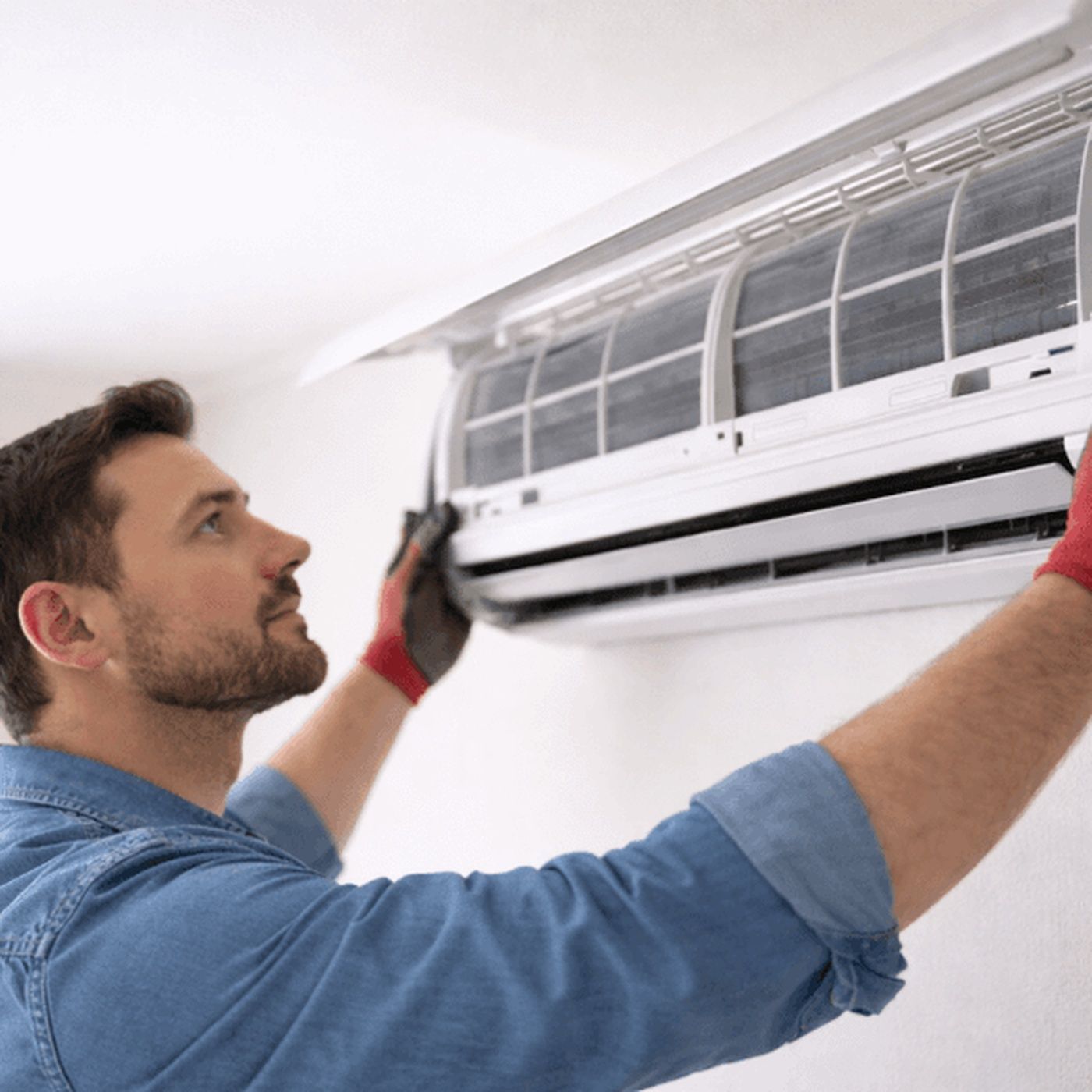
How to Replace Home AC Air Conditioning Unit: A Step-by-Step Guide to Choosing, Removing, and Installing a New System
About this episode
Get every episode summarized
Each time Filterbuy.com Audio Blogs Podcast publishes, we email you a written briefing from the transcript — the topics, who appeared, and any specific claims, with the ad reads skipped.
Email me new episodesFree for 3 shows. No card needed.
Hosts & guests
Transcript ready
257 searchable segments. Every word is indexed and playable.
Full transcript
Filterbuy.com Audio Blogs Podcast — How to Replace Home AC Air Conditioning Unit: A Step-by-Step Guide to Choosing, Removing, and Installing a New System. Machine-transcribed; use the interactive transcript above to jump the player to any line.
Hello, it is Ryan and we could all use an extra bright spot in our day, couldn't we? Just to make up for things like sitting in traffic, doing the dishes, counting your steps, you know, all the mundane stuff. That is why I'm such a big fan of Chamba Casino. Chamba Casino has all your favorite social casino style games that you can play for free anytime, anywhere with daily bonuses. So sign up now at chamba casino.com. That's chamba casino.com. Hey, I'm Josh Speagle, host of the podcast, Lunatic in the newsroom. If you enjoy journalism that drifts into mild panic, wild overthinking, and a guaranteed nervous breakdown, Lunatic in the newsroom is for you. It's news like you've never heard before. The only newsroom with a panic button, you'll laugh, you'll cry, and gasp and horror as the show spirals completely out of control. It's not just news, it's emotionally unstable. Lunatic in the newsroom. Listen today. How to replace your home. AC air conditioning unit. A step-by-step guide to choosing,
removing, and installing a new system. Replacing your home's AC unit doesn't have to be stressful, but without a clear plan, it usually is. After serving homeowners in our community for three generations, we've walked hundreds of families through this exact process and learned what separates a smooth replacement from a costly headache. We've seen the mistakes homeowners make when choosing the wrong size system for their home, the red flags that signal it's time to stop repairing and start replacing, and the questions most people forget to ask their contractor before installation day. This guide shares those hard earned insights so you can move forward with confidence, from evaluating your current system to selecting the right unit for your home's layout and local climate, all the way through understanding what to expect when our team shows up at your door. Quick answers. How to replace your home. AC air conditioning unit. A step-by-step guide to choosing, removing, and installing a new system without the stress. Replacing your home AC unit
comes down to five essential steps. Step one. Evaluate your current system. If your unit is over 10 to 15 years old requires frequent repairs or can't maintain a consistent temperature, it's time to replace rather than repair. Step two. Choose the right system. Schedule a professional in home evaluation that includes a load calculation based on your home's square footage, insulation, ductwork, and local climate. Never rely on online sizing charts alone. Step three. Secure available savings. Check energystar.gov for rebates and federal tax credits worth up to $2,000 and search dsirusa.org for state and local incentive programs before purchasing. Step four. Hire the right contractor. Verify licensing and insurance. Confirm they perform load calculations and ask about warranty coverage for both equipment and installation. Visit hvac-contractors.acca.org to find nationally
recognized professionals. Step five. Plan the installation. A standard replacement takes one day and includes removing the old unit, installing new equipment, testing airflow, and calibrating your thermostat. Expect up to two days if ductwork or electrical upgrades are needed. The bottom line from our experience, the homeowners who get the best results aren't the ones who buy the most expensive unit. They're the ones who invest in proper sizing, quality installation, and a contractor who knows their local climate first hand. Top takeaways. It doesn't have to be stressful. The right information. A clear plan and a contractor who evaluates your home in person make all the difference. Sizing matters more than brand. An oversized or undersized system waste energy creates uneven temperatures and shortens equipment lifespan. No matter the price tag. High efficiency upgrades cut cooling costs by 20% to 50%. But only when the unit is correctly sized
through a professional load calculation and installed to the manufacturer's specs. Available incentives can save you thousands. Check energystar.gov and dsirusa.org before purchasing. Many homeowners miss rebates, tax credits, and local programs simply because they didn't look. Replace before it fails. Planning ahead means better options, better pricing, and an installation done right. Not rush during an emergency. How do you know it's time to replace your AC unit? Not all AC problems are an indication that you need a new system, but there are indications that cannot be ignored. When your unit is more than 10 to 15 years old, when it constantly needs repairing, it cannot keep your house at a constant temperature, or it runs all the time with no efficient cooling, then you may use replacement as the wiser choice of the two repair options. Another telltale indicator is a rise in the cost of energy. We have seen homeowners use hundreds of dollars in recurring service calls to come to fix their old systems,
and that should have been replaced with a new unit of the correct size to pay off in fewer utility bills in a few years. The general rule of thumb, when repairs cost more than half the cost of a new system, then it is time to proceed, choosing the right AC system for your home. This is where most homeowners feel the most pressure, and where we've seen the most costly mistakes. Selecting the right unit isn't just about picking a brand. It is all about appropriate sizing with regard to your home's square footage, insulation, ductwork condition, and your local climatic needs. A system that is too large will find itself going on and off unnecessarily. Energy is wasted, and the temperatures are unbalanced, even a small unit that is operating does not manage to keep up. The first option we would always suggest is to commence with a professional load calculation instead of using general size charts on the internet. In a free and home estimate, our team would consider the unique layout of your home,
the sun exposure, the positioning of the windows, and available ductwork just to pair you with the correct system, not necessarily the most costly system. What to expect during the replacement process, an average replacement. AC usually occupies one day in the course of a straightforward substitution and up to two days in case of ductwork alterations or electrical advancements. The process is usually as follows. First, your old unit and refrigerant are easily removed and disposed of as per EPA regulations. Then the new outside condenser and indoor air handler or evaporator coil are installed and connected. Your technician will then add refrigerant to the system, check air tightness across all the vents, adjust the thermostat, and ensure that the system is operating within manufacturer parameters. We even take you through the workings of your new system, your filter schedule, and warranty before we go so that you are not caught unawares in the future. Questions you should ask before hiring an HVAC contractor. The selection of a contractor is
no less important than the selection of the system. Prior to signing any form, ensure that you inquire about whether the company is licensed and insured within your state. How they calculate the right size of the system to fit your home, the type of brands and energy efficiency ratings they have to sell, whether the estimate is inclusive of labor and material, and the warranty coverage of the installation process. Inquire about their experience in your area, a contractor who knows your local weather, architectural trends, and home construction, as well as the building codes in your area will produce a superior product than someone off a generic checklist. We also tell homeowners to obtain a minimum of two or three estimates and always be wary of any quote that appears to be much lower than the others as it usually involves corners being cut. How much does it cost to replace a home? AC unit. Replacement costs of AC units can range based on the size of your house, your system type, efficiency, and the level of installation you want to have done. The cost of a
full replacement, including labor, is likely to be in the range of four thousand to twelve thousand dollars for most homeowners. Variable speed units and high efficiency systems are more expensive initially, but can prove to be very helpful in saving major money on monthly energy bills. Also, most utility companies have a rebate on switching to energy efficient equipment, so it is worth investigating what you can get in your area before final decision making. Our prices are completely transparent and have no additional charges, and what we offer is what you pay. Protecting your investment after installation. Your new air conditioning system is a significant investment, and how you treat it within the initial years will determine the duration of its lifespan and how efficiently it operates. Changing the filter after 60 to 90 days, taking your outdoor unit to a professional once a year and maintaining the area around your outdoor unit clutter free are the three simplest measures that you can take to extend your outdoor
unit's life cycle. Enrolling in a preventive maintenance plan like our care club ensures your system gets inspected and tuned before each cooling season, catching small issues before they become expensive problems. In our experience, homeowners who invest in routine maintenance get years of additional life from their systems and avoid most emergency breakdowns entirely. After three generations of replacing AC systems in our community, we've learned that the biggest difference between a replacement that lasts 15 years and one that causes problems from day one comes down to two things. Proper sizing and honest advice from someone who knows your home and your local climate firsthand. Essential resources for replacing your home. AC unit the right way. Number one, understand how central air conditioning systems work before you buy. The Central Air Conditioning Guide by the U.S. Department of Energy details the way central AC systems work. The way to compare SEI or efficiency ratings and what a correctly sized
central air conditioning system should look like in your home helping you to prevent the most frequent and expensive mistakes in purchasing a central air conditioning system. Number two, compare energy efficient AC systems that meet federal performance standards. Energy Stars product finder lets you search and compare certified central air conditioners and heat pumps that exceed minimum efficiency requirements so you can identify systems that will lower your monthly energy bills from day one. Number three, find local rebates that reduce your AC replacement cost. The energy star rebate finder will reveal utility and manufacturer rebates in your zip code on eligible heating and cooling equipment. You could instantly save hundreds of dollars on your new system on programs you never even heard of. Number four, claim federal tax credits worth up to $2,000 on a new AC system. Energy Stars federal tax credits page details how homeowners can claim up to 30% of project costs
on qualifying central air conditioners and heat pumps under the Inflation Reduction Act and how to stack these credits with other home efficiency upgrades in the same tax year. Number five, search every state and local incentive available for your HVAC upgrade. The DSIRE database is the most comprehensive resource in the United States for finding state, local and utility incentive programs for energy efficient HVAC replacements. And many of these programs can be combined with federal tax credits for maximum savings. Number six, know the EPA regulations that apply when removing your old AC unit. The homeowners, FAQ on the EPA website addresses the most important details of refrigerant work, including the phase out of R22, the safe disposal of the gas, and the reasons why your contractor needs an EPA section 608 certification. This keeps you out of trouble and finds in court.
Number seven, verify your HVAC contractor meets national quality installation standards. The air conditioning contractors of America, known as ACCA, maintains a searchable directory of quality assured contractors who meet nationally recognized accreditation standards for proper system design, load calculations and installation of us. Giving you third party confirmation that your new system will perform as promised, supporting statistics, why replacing your AC unit matters. Number one, 88% of US homes use air conditioning, and we see firsthand what happens when those systems fall behind. Two thirds of American households depend on central AC as their primary cooling system. In our experience serving local homeowners, the families struggling most with comfort and high bills are often running systems that were outdated years ago but never properly evaluated. When your AC is the backbone of your home's comfort, waiting until it fails completely almost
always costs more than planning ahead. Number two, upgrading to a high efficiency system can cut cooling energy use by 20% to 50%. We've watched homeowners utility bills drop the month after installation. Especially when the new system is correctly sized through a professional load calculation, the unit matches the home's specific layout and ductwork condition and the installation replaces an aging system rather than simply duplicating what was there before. The efficiency gains aren't theoretical, they show up on the very next energy bill. Number three, air conditioning accounts for nearly 19% of all residential electricity use nationwide. That's 254 billion kilowatt hours annually. That's exactly why we emphasize getting the replacement right the first time. After years of replacing AC systems in our community, we've learned that the homeowners who saved the most long-term share three things in common. Their system was properly sized for their homes,
square footage, and climate. The installation was performed to manufacture specifications, and they invested in routine maintenance from day one. The difference isn't always the most expensive unit. It's the one that was done right, final thought, what we've learned after three generations of replacing AC systems. Replacing your home's AC unit is one of the most significant investments you'll make as a homeowner. After doing this work for three generations in our community, we can tell you that the process doesn't have to be stressful, confusing, or full of surprises. The homeowners who have the best experience share a few things in common. They educate themselves before the first estimate. They ask the right questions about sizing, warranty, and installation. And they choose a contractor who knows their local climate and evaluates their home and person, not one who quotes a price over the phone. Here's what we believe after years of doing this work. The AC replacement industry has a sizing problem, not a product problem.
The equipment available today is better, more efficient, and more reliable than anything we've installed in the past. But none of that matters if the system isn't matched to your home correctly. We've walked into homes where a brand new unit was already failing. Not because the equipment was defective, but because it was the wrong size for the space. The existing ductwork was never evaluated, and the installation was rushed to save time. That's the honest truth. Most homeowners don't hear until it's too late. Our advice is simple. Take your time choosing the right contractor, not just the right unit. Get a professional load calculation, not a rough estimate. Ask about warranty coverage, maintenance plans, and post-installation support, and don't let anyone pressure you into a decision on the spot. When this process is done right, with the right system, the right installation, and a team that genuinely cares about your long-term comfort. An AC replacement isn't just a repair. It's an upgrade to your family's quality of life, lower energy bills, more consistent temperatures, quieter operation, and the peace of mind that comes
from knowing your home is protected for the next 15 to 20 years. That's the standard we hold ourselves to every time we walk into a neighbor's home, and it's the standard you deserve from whoever you choose to work with. Next steps. Ready to replace your home. AC unit, you have the knowledge. Here's exactly how to move forward. Step one, evaluate your current system. Ask yourself these four questions. Is your system more than 10 to 15 years old? Are you scheduling repairs more than once a year? Have your energy bills increased without a change in usage? And are some rooms consistently warmer or cooler than others? Two or more yes answers mean it's time to start planning your replacement. Step two, check available rebates and tax credits. Take 10 minutes to research savings before committing to a new system. Enter your zip code at energystar.gov slash rebate-finder for local utility rebates. Review federal tax credits at energystar.gov slash about slash federal dash tax dash credits.
And search state and local incentives at dsirusa.org. Many homeowners leave hundreds or thousands of dollars on the table simply because they didn't check first. Step three, schedule a free and home estimate. A proper replacement starts with a professional evaluation. Not a phone quote, our team will perform a load calculation based on your home's square footage, layout, and insulation. We'll inspect existing ductwork for leaks, damage, or sizing issues, and we'll recommend the right system for your home and climate. Step four, ask the right questions before signing. Bring this checklist to every contractor meeting. Are you licensed and insured in this state? How do you determine the correct system size? What S-E-E-R2 rating do you recommend for my area? Does the estimate include all labor, materials, and permits? What warranty covers the equipment and installation? And do you offer preventive maintenance after installation? Step five, plan before you need it. The best time to
replace your AC is before it fails. Planning ahead gives you time to compare options without pressure, secure the best pricing and available rebates and schedule work at your convenience. Not during an emergency. Get started today. We're here to help from evaluation through installation. Schedule your free and home estimate and let's find the right solution for your home, your family, and your budget. Frequently ask questions. Question? How long does it take to replace a home AC unit? Answer, our team typically completes a standard AC replacement in a single day. That includes removing the old outdoor condenser and indoor air handler, installing new equipment and charging refrigerant, testing airflow across all vents and calibrating the thermostat, and walking you through the new system before we leave. More complex jobs involving ductwork modifications or electrical upgrades may extend into a second day. The key factor we've seen over three generations is preparation.
When a thorough in-home evaluation is completed beforehand, installation day stays on schedule, and stress-free. Question, how much does it cost to replace a central air conditioning system? Answer, most homeowners we work with invest between $4,000 and $12,000 for a complete replacement, including equipment, labor, and permits. The final cost depends on your home size and layout, the systems SEER to efficiency rating and whether ductwork repairs or electrical upgrades are needed. Question, how do I know if I should repair or replace my AC unit? Answer, our straightforward guideline, if the repair costs more than half the price of a new system, replacement is almost always the better investment. Other warning signs we've learned to recognize after decades of servicing local systems include, your unit is more than 10 to 15 years old, your scheduling repairs more than once a year, the system runs constantly without reaching a comfortable
temperature and your energy bills have increased noticeably without a change in usage. The homeowners who come to us before their system completely fails consistently save more money and get better results than those who call in a panic on the hottest day of the year. Planning ahead is the single best thing you can do for your wallet and your comfort. Question, what size AC unit do I need for my home? Answer, this is the question that matters most, and where we've seen more money wasted than anywhere else in this process. The right size cannot be determined from an online chart or by matching what was previously installed. It requires a professional load calculation that accounts for square footage and ceiling height, insulation levels and window placement, sun exposure and local climate demands and existing ductwork condition and configuration. We've walked into homes where a brand new system was already underperforming because a previous contractor skipped this step. The consequences are predictable. Oversize unit's short cycle, waste energy and leave your home humid.
Under-sized units run non-stop and never reach a comfortable temperature. Getting the sizing right is the single most important decision in the entire replacement process, and it's one we never short-cut. Question, what should I look for when hiring an HVAC contractor to replace my AC? Answer, after three generations in this industry, we've seen what separates quality installations from those that cause problems for years. Here's what to look for. Red flags to walk away from include a contractor who quotes a price over the phone without seeing your home, pressure to sign on the spot and no mention of load calculations or a ductwork evaluation. Questions to ask every contractor include, are you licensed and insured in this state? How do you determine the correct system size for my home? What brands and SEER two ratings do you recommend for my area? Does the estimate include all labor, materials and permits? What warranty covers both equipment and installation?
And do you offer a maintenance plan after the work is done? We also recommend checking the ACCA directory at hvac-contractors.acca.org for nationally recognized quality assured professionals in your area. Trust your instincts. How a contractor treats you before the sale tells you everything about how they'll treat you after it. Replace your home AC unit the right way. Schedule your free and home estimate today. Now that you know exactly how to choose, remove and install a new AC system without the stress. Let us put that plan into action for your home. Contact filter by hvac solutions today for a no obligation evaluation from your local neighbors who've been doing this the right way for three generations. Bubble Wallace here from 2311 Racing. You know what's slower than a pace car waiting at the car wash. That's when I fire up Chamba Casino. It turns those slow minutes
into fast fun. With new games every week, you'll never get bored. Next time you're stuck in the slow lane, speed up with Chamba. Play now at chambacasino.com. Let's Chamba. Sponsored by Chamba Casino, no purchase necessary VGW GroupFord where prohibited by law 21 plus terms and conditions apply. Hi, this is Alex Cantrowitz. I'm the host of Big Technology podcast, a longtime reporter and an on air contributor to CNBC. And if you're like me, you're trying to figure out how artificial intelligence is changing the business world and our lives. So each week on Big Technology, I bring on key actors from companies building AI tech and outsiders trying to influence it. Asking where this is all going. They come from places like Nvidia, Microsoft, Amazon and plenty more. So if you want to be smart with your wallet, your career choices, and meetings with your colleagues and at dinner parties, listen to Big Technology podcast wherever you get your podcasts.
More episodes
More from Filterbuy.com Audio Blogs Podcast

Live Air Quality Index AQI Map Tampa, FL Today | Filterbuy.com
Filterbuy.com Audio Blogs Podcast

Live Air Quality Index AQI Map Virginia Beach, VA Today | Filterbuy.com
Filterbuy.com Audio Blogs Podcast

Live Air Quality Index AQI Map Virginia Today | Filterbuy.com
Filterbuy.com Audio Blogs Podcast

Live Air Quality Index AQI Map Kansas City, MO Today | Filterbuy.com
Filterbuy.com Audio Blogs Podcast