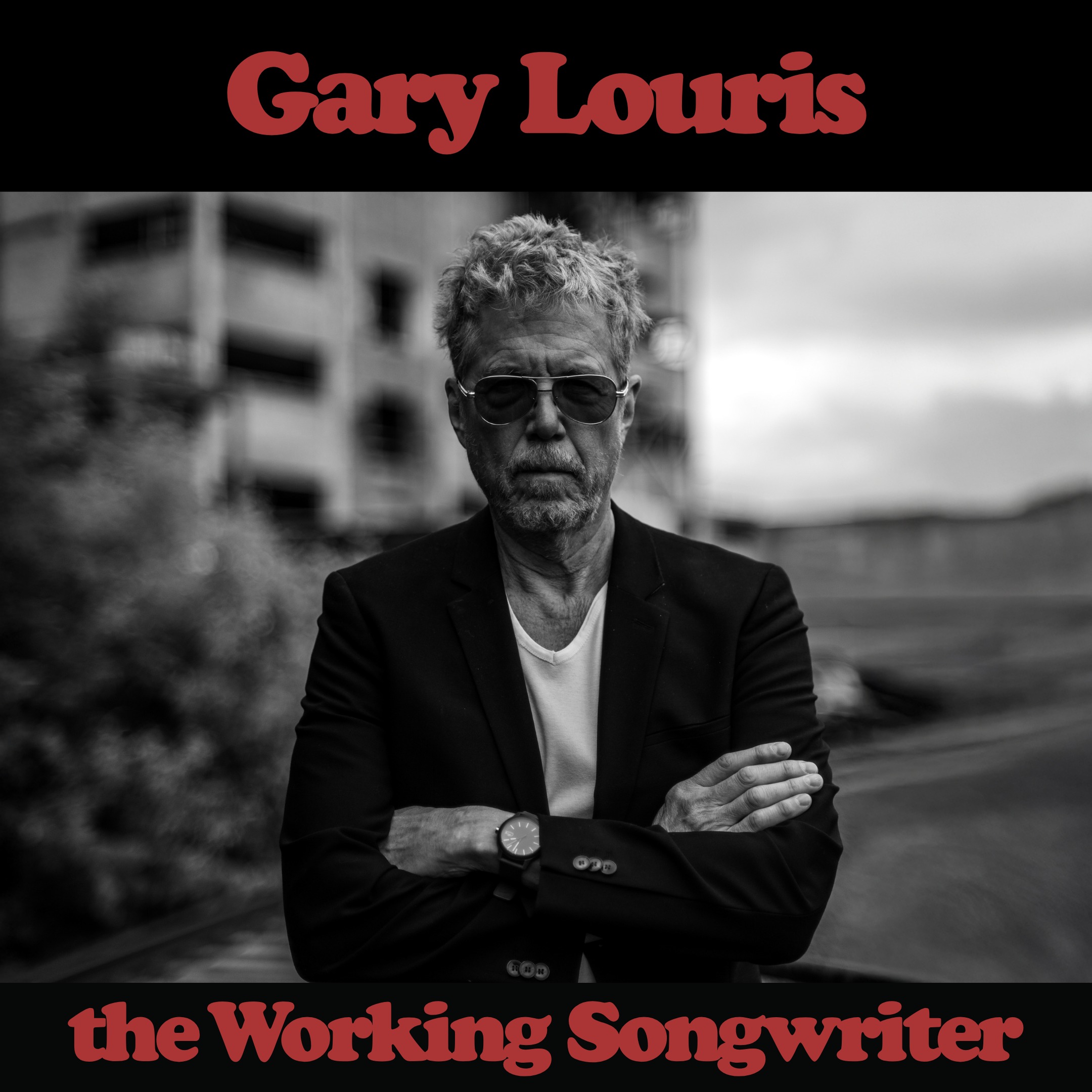
About this episode
The Working Songwriter is made possible by:
Our guest this week is one of the godfathers of modern roots and Americana music. Originally from Toledo, Ohio, Gary Louris moved to Minneapolis as a young man in the 1970s and immersed himself in a Twin Cities music scene that punched way above its weight culturally. His group, The Jayhawks, would release a string of critically acclaimed and nationally beloved albums.
One of Louris’s main gifts is his ability to contribute to the music of a wide array of artists, including Counting Crows, John Hiatt, Lucinda Williams, Roger McGuinn, The Wallflowers, The Black Crowes, Nickel Creek and a host of others. As a member of the Jayhawks he’s appeared on The Late Show with David Letterman and Late Night With Conan O'Brien. He’s recorded for what sounds like an anthology of record labels: Twin/Tone, American Recordings, Rykodisc, Lost Highway, Thirty Tigers, Rounder, Sony and New West Records. Over the years he’s appeared at Farm Aid, Stagecoach, Hardly Strictly Bluegrass, and Wilco’s Sky Blue Sky festival.
AllMusic calls him “one of the premiere songwriters of his generation.” The Bluegrass Situation, our host network, has written about him as a “musical Swiss Army knife.” Pitchfork has written that he and Mark Olson, his musical partner in the Jayhawks, “sang like they were born joined at the throat.”
It’s an immense honor to have Gary on the show. I got a chance to catch up with him a few weeks ago to hear about his musical journey so far.
Interested in sponsoring us?
Contact BGS: https://bit.ly/sponsorBGSpods
Get every episode summarized
Each time The Working Songwriter publishes, we email you a written briefing from the transcript — the topics, who appeared, and any specific claims, with the ad reads skipped.
Email me new episodesFree for 3 shows. No card needed.
Hosts & guests

Transcript ready
683 searchable segments. Every word is indexed and playable.
Full transcript
The Working Songwriter — Gary Louris. Machine-transcribed; use the interactive transcript above to jump the player to any line.
Hi everyone, it's Tom Power. I'm back with a brand new and very special episode of Toy Heart, my podcast about bluegrass It is an exclusive conversation with none other than Billy Strings that we recorded at last year's international Bluegrass Music Association conference if you love bluegrass as much as we do and I assume you do Then this episode is certainly for you download and listen to this and all episodes of Toy Heart on the BGS podcast network Available wherever you get your podcasts You Hi and welcome to the working songwriter the show where today's best songwriters come to talk shop I'm your host Joe Pug each episode here. We host a distinguished guest and we ask them to go deep on their
Inspiration on their process on the general ups and downs of making a life in music So whether you're a grizzled veteran in litigation against Soono for illegally sampling your catalog or else a scrappy upstart Sampling the hum of a recently built data center behind your house This is your show because ultimately it is what every writer seeks most in Irinklier excuse to put off actually writing This week's show is brought to you by Banzoo Gull built by musicians and four musicians Banzoo Gull is an all-in-one platform to build a beautiful website for your music I'm old enough to remember when you had to pay somebody called a web developer to get a website made It would always be some guy named mainframe who drove an Acura from 1993 with a mint condition spoiler and who was always trying to sell you terabytes of social security numbers that he pirated from the dark web
No mainframe would charge you about a thousand bucks for a website that would be obsolete in six months But it's the future now you guys that's not how it works anymore We're allowed to have nice things now one of those nice things is Banzoo Gull for over 20 years Banzoo Gull has made it easy to build a stunning website and online store for your music now They've added a brand new EPK plan so that musicians can create a professional single-page electronic press kit in minutes Everything you need is already built in music players images text bio video embeds a gig calendar and press quotes The new EPK plan starts at just 6.95 per month and the working songwriter podcast listeners can go to banzoo Gull.com to try it for free for 30 days then use the promo code TWS EPK to get 10% off the first year of any new EPK plan subscription Finally if you enjoy this podcast if you'd like to help it remain a viable endeavor for me
Here's a couple things that you could do to help first you could become a subscriber to the vault What is the vault the vault is a private members only section of my website that hosts every single episode of the working songwriter ever recorded a Additionally the vault has every single album. I've ever recorded for streaming and for download There's also an archive of all of the enthusiast digest newsletters there go to jo pug music.com slash vault become a subscriber today It's about the price of a nice cup of coffee every month Okay, I'll end all the harassment there. I hope that you enjoy this week's episode You Our guest this week is one of the godfathers of modern roots and Americana music Originally from Toledo, Ohio Gary luris moved to Minneapolis as a young man in the 1970s and
immersed himself in a twin city's music scene that punched way above its weight culturally His group the J Hawks would release a string of critically acclaimed and nationally beloved albums One of luris's main gifts is his ability to contribute to the music of a wider ray of other artists He's contributed to the recordings of counting crows John Hyatt, Lucinda Williams, Roger McGuin, the wall flowers, the black crow's, Nickel Creek, and a host of others As a member of the J Hawks, he's appeared on the late show with David Letterman and Conan He's recorded for what sounds like an anthology of record labels twin-tone American recordings RICO disc lost highway 30 tigers rounder Sony and new west records Over the years he's appeared at far-made stage coach Hardly strictly bluegrass and will co's sky blue sky festival All music calls him one of the premier songwriters of his generation The bluegrass situation our host network has written about him as a musical Swiss Army knife
Pitchfork has written that he and his musical partner in the J Hawks Mark Olson Saying like they were born joined at the throat It's an immense honor to have him on the show today I got a chance to catch up with him a few weeks ago to hear about his musical journey so far Mr. Gary Lawrence what an honor to have you on the working songwriter podcast when we started this show Ten years ago it was It was for someone like you that we had in mind or such a legend and we thank you so much You're not any ever been She knows that I tell her every day He then mode me 50 bucks to say that at the store I followed your music for so many years I did not know until getting ready for this interview though that you're originally from Toledo, Ohio What did music look like for you in your household and in around Toledo growing up?
Yeah, I was born in Toledo and lived there until I moved to go to college to Minerva, Sima, and Soda So my first 17 years were spent in the Middle East Musical you know, it's kind of a miracle that I'm a musician because My dad had a tinier he would know he I don't remember him ever listening to music my sister you know who's five years old or Lover but she wasn't like a rock person never has been never well, but she loved things like cold porter Irving Berlin, you know thing. I love that stuff too but you know in our record collection at home we had the old high-fi and it would be like Frontier t-shirt which were two pianists there was the singing none album there was a a lot of kind of
Stereo testing records like I don't know why and just You know funny some soundtracks for the music man and things like that But my sister had three records that would be considered somewhat rock one was there was a two yeah three the chance sergeant peppers she had Chad and Jeremy and Cavages and Kings and she had The Stone's flowers and that was the only thing that was anywhere near rock and roll growing up however my mother was a lover of music and insisted Priscilla my sister and I took piano lessons so from age six to four teams. I took piano lessons and My mother loved her Andy Williams Andy baby as she called and you know crooner Snotra Pretty Combo, but she also really loved Ella Fitzgerald. So my mother had the musical year but I
Remember any of them ever really putting an album on is just listening to the radio and so but at age 14 but I was captivated by music right away and I didn't I had listened to a radio station called C. K. L. W the Motor City which was Out of Detroit Windsor and that's where I got my music from Because it was 60 so it was Detroit. There's a lot of Motown Some solo soul music. There was a lot of Beatles stones kinks. I remember vividly listening to the stones and the Beatles and the Kings and for some reason go withers on C. K. L. W the Motor City And then at age 14 my mother knowing I was a Interverted shy kid thought Maybe I should learn how to play guitar because in her mind It was a folk a folk world where I would go to parties and play folk songs and I become really popular
So it actually kind of panned out because we're gonna mean out in the legend And I had my wife I Above my pay grade So when did you realize music was gonna be something more than just You know kind of an infatuation lots of people are into music and dig it when they're young and they don't go on to end up doing it for a living It's a very strange living to make you would even go to school for Architecture and so it seems like music wasn't like the original original plan for you when did uh When did it start to look like it would be something different for you? Not until I was like 26 or so really late. I'm very much a late bloomer and I Was too shy to be in a band. I didn't play with anybody in Toledo except maybe my neighbor across the street a little bit Who was obsessed with the band yes and you know
You had a less Paul or my first band I was in which wasn't really a band little Christian trio at church And I'm a guy named Frank Was in my class he had an SG and I played a classical guitar but thought that was cool You know, I don't know I always music came really easily to me as opposed to everything else alive Which sometimes gonna be hard and it just seemed like well, I just I can learn these songs easily I love music But it was always kind of on the back burner. I fairly practical. I thought well, I want to Maybe someday I could do it. I know that's what I'd like to do, but I don't see a clear path So I'm gonna go school. I know I'm good at math and drawing and I love architecture and so I went to school in architecture but always with the You know in the back my mind
Playing music so when I was in college at the University of Minnesota Rand into some some guys in elevator carrying some albums and we became friends and found out that their his friends They were in a British rock cover band and I Joined that and it was all for fun. You know we play like three Three shows real legitimate shows. It was more like a hobby for them, but I was my first taste of being in a band and then from there It started to be You know, then I got into songwriting, but it really was only in my early 20s I did that I didn't have an electric guitar until I was probably 18 or so so not in a band till I was 26 or so and You know the J outstores 30 so So about but you know, I still continue to work as an architect especially in the historic restoration, but as I joined a band called safety last which was a rock ability band
In Minneapolis I started Going back between working as an architect and also maybe I was wadering Waiting tables was a way to kind of twirl a bit more have flexibility As a long answer but in 1991 We were the crossroads of I Was offered a scholarship to go to the Columbia University to study historic restoration get my graduate degree We were also offered a record contract with deaf American and Rick Rubin and that was kind of like I Followed my heart, you know and for better or for worse most areas. I think I made the right choice, but that's That's the story I guess Long winded is it what is You know, I think well long winded is what podcast or fourth? That is that is the format that we're in that's what we're after here Yeah, I want to get some part. I want to do my own podcast. I want to I want to in
There's nothing to it She's the funniest person I know There's nothing to it and it would be a great one. I Think anytime that someone moved to Minneapolis could be in auspicious time to move there musically because there's always just such great music Coming out of Minneapolis. It's such an underrated Like under the radar wonderful music town But it was particularly auspicious when you move there in the 80s It seems like there was a lot of different music coming out of there that would become very Influential can you kind of speak to that what you were seeing on the ground? I'm sure there were several different scenes of music coming out of there What do you remember the most in that sense culturally? Yeah, I mean when I moved there in the 70s I had to go to school. I wasn't in the band at first I went to a lot of shows. There was a great club called the Longhorn Where I'd see local bands where I got to see the boom counter ads and and the bus cocks and
Stranglers and the clash who were at a bus cocks show In a little club and because that was a big English punk rock band So before I ever any never before ever knew at a banjo as I was all about brith Pop and British rock and and punk rock and art rock. We really would I cut my teeth on? So there was a great club and I go see some bands There's a band called the suicide commandos who were kind of a little before The when the scene got really known in the 80s the late Steve almost thinking of him but Then you know by the early 80s there was definitely It seemed like everybody was in a band, you know, and there was definitely a scene there was a There was the Rock scene and there's a lot of rock music there was a kind of a folk scene roots bluegrass kind of scene
That was on an area in an area called the West Bank in Minneapolis, which is On the other side of the river part of the University of Minnesota and that we were the first band to kind of bridge between Iraq scene and the Folk scene we went over to the West Bank and we're kind of just kind of rebellious. We're kind of Crossing into sacred territory But at the time everybody's in a band Especially by the mid 80s when we can't you know became a band Oh my god everybody was in a band of course there were the replacements and who screwed you the solar tile and baged until I land and us and a million other bands and a lot of them that were really cool that people may never know a run West You run was like the cool stooge's Door stooge's band that Craig Johnson came out of who played with us and plays in the Golden Smot and And there was also Prince in the time and all that all going at the same time
So it was it was kind of like a lucky break that I ended up moving to a place I moved to Minneapolis because it was a big I had gone to 12 years of Catholic school all-male school I was gonna go to Notre Dame and I Pulled the plug on the at last. I mean I said I want to go to a big school Architecture I sister lived there and her husband so I just happened to stumble upon the right place at the right time in the 80s When you were in the middle of that I mean you just named a murderers row of other bands in your cohort They're at the time. Did you realize something special was going on? Or was it only in retrospect you could look back and be like man? That was that was a great group that we were a part of No, we knew there was I mean there was even a Co-head. I think there was a cover story In newsweek about Minneapolis in 85 or 86 it was pretty There was something in the area, you know and Also had a great club
Which was called first Avenue seventh Street entry and had all the Elements that create a scene, you know like you say why were there some great bands from Minneapolis? But maybe not that many from Pittsburgh or another story. I mean I love Pittsburgh And a lot of it is just I had a cool little record company called twin twin-tone And it had a cool right some cool radio stations and had cool clubs and a cool record store I call one called or folk jocopus Which was where you know the replacements would hang out and It's like a clubhouse and you'd go there to get all the cool records all those things contributed To creating a scene and everybody knew each other, you know That is wild. You know, I've heard you talk so far about you know the British rock that influenced you and and all that But you are very identified now as one of the people that brought kind of roots and Americana music to the forefront
There wasn't really a word for it when you began doing it in you know the mid 80s When did what we would now call roots music when did that start to enter your musical lexicon? It is ironic that I'd become known as this roots Americana Godfather in a way, but I really grew up and still my sweet spot is is British Yeah, whether it's the jam the clash or it's the kinks and the stones or all those pretty things and Oh zombies and I love Anything and everything British. I mean at our house bbc is always on whether on tv or radio we kind of almost Make it feel like we're living in England. So yeah if we could we probably live in England, but I've found in when I was playing with that British rock cover band Schnauser is the name of the band we
We intentionally picked the weirdest stupidest name because we were really very serious about being a household man, but My friend Jay was lead singer came down one day I've been vividly see because we practice in his parents basement and Came down the stairs with this record in his hand Shaking go you got to hear this and I'll never forget that visual and it was Elvis's son sessions And I came obsessed with Elvis and that record and that record was kind of the gateway to me learning about Classic country and Western swing and fats waller and Bill Monroe and And getting to a soul music and Al green and James car and all those beautiful genres and bluegrass country I already said that blues and
folk all these things that I hadn't really listened to I hadn't really been a Dylan fan up to that point or a Neil Young fan It was all brittle all the time so that kind of Came later for me. So that's why I feel like the foundation of my songwriting and a lot of Jay hox music is almost British Pop rock music as far as far as but then it has I added mixed into it around top of it is all this what I found was the soulful element that sometimes was missing from pop music from soul and I know the deeper stacks and and storytelling So it kind of all mixed together but it started with british and then oh in my 20s. I kind of discovered American music and you know for me it was good because I was never gonna be able to I
I loved to a strumber in the clash but I was never gonna be that guy on stage. I could Right, but I could identify with singing with an American accent and softer A deeper kind of music on that deeper but Yeah You mentioned in your own words kind of Coming late to to being in a band kind of a late bloom or there, you know, 26 late 20s That must also mean that you came late to a certain degree to To songwriting. What was it like beginning to compose your own stuff for you? Did you take to it like a duck to water immediately or whether things you had to learn to to get up to speed? No, it came pretty quickly. I remember when I first started recording myself. I had like a Philips reel to reel in Minneapolis late 70s And I heard my voice recorded first time and I really I was I liked that I like my voice and I was like I had a roommate in John Oltville, like John Oliver who was not really a musician but
He was creative and smart guy And he was my roommate for a while we started writing some songs together Because he knew this band called safety last and they were looking for some songs so you know I dabbled And it you know And then I kind of splintered off on my own as John Oltville wrote a few songs but It seemed uh It came to me pretty naturally and I didn't do a lot studying of it. I don't have a A composition degree or anything but it you know just from listening and You know my first songs were very much copying other people's songs and Changing them you know like you do to learn how to write Did when you first began was it a very intense period where you just composed and composed and composed a bunch or did it? Did it slowly ramp up over time? I think it was uh I once I got the bug and I have my little
uh recording studio Pretty humble Wasn't Pro Tools I was bouncing tracks, you know, so to make like the Beatles used to when you only had four tracks Bounce them down to one track freeing three tracks so you could make more room And of course when you know I still I just posted an old song of mine. I have some of them in fact Along with my band cam. I would give a plug while I'm thinking of that. I have a please do patreon.com slash Gary Morris and that's where I share uh some Archival things new things songs. I'm working on old photos What I'm doing And yeah, so patreon pattrio and calm slash Gary was but like I just posted something when my old songs Along with our new song American Midnight. I just I did a version of that which came out today I think is going to be available on screaming services
So uh Yeah, we I have a collection of these things and they're really low five But they're you know like and really sloppy Because I wasn't playing to a click and I But it was it has a certain charm even though it's really not And doesn't really sound like j-hawk songs there's definitely more Power pop kind of songs You Though he's originally from Toledo and has made his home in Canada for many years I think it's fair to consider Gary's music a cultural Export of the Twin Cities at least in part and one of my favorite poets was for a time the poet laureate of Minnesota Robert bli his poems can be dark and detailed and evocative
Not unlike many of Gary's and the j-hawks songs A work of his that epitomizes that tone is entitled Awakening We are approaching sleep The chestnut blossoms in the mind mingle with thoughts of pain and the long roots of barley bitterness as of the oak roots staining the waters dark in Louisiana The wet streets soaked with rain and sodden blossoms Out of this we have come a tunnel softly hurtling into darkness The storm is coming The small farmhouse in Minnesota is hardly strong enough for the wind Darkness Darkness in grass darkness in trees Even the water in wells trembles bodies give off darkness And chrysanthemums are dark and horses who are bearing great loads of hay to the deep barns where the dark air is moving from corners
Lincoln statue and the traffic From the long past into the long present a bird forgotten in these troubles warbling As the great wheel turns around grinding the living in water Washing continual washing in water now stained with blossoms and rotting logs cries half muffled from beneath the earth the living awakened at last like the dead Take me to that moment that you referenced Earlier that that crossroads as you described at either graduate school or or take a record deal What did it feel like for you? You know, it's it's 1991. I think George Tricullius Herd you guys and offers you this this deal, you know, a major labeled deal
What did that ride feel like when you make the decision to not go to graduate school and step on The show business train What did that feel like? I feel as I remember it Feeling Pretty confident about the choice I made Now, you know when you're sitting in the back of a van one day and I think what if I never would have been my wife. I wouldn't have this life that I love but um I don't remember going really having to ring my hands that much I mean, I knew I Know that music came more naturally to me than Visually, you know, just as an architect Architecture was something I could do, but I didn't feel like um I was gifted in that area as I was in music so I followed my heart and and it was exciting because we had been a band for six years and um
I felt like I could always go back to school somehow If I really needed to but how many times to get a Major label record deal Yeah, well, and that's just it, you know You guys you were talking about that scene and however everyone knew each other and you have twin tone there in the cities But it's not twin tone that you're with with this This major label was there um talk a little bit about the difference between the work that you had done up to that point And then you know, it sounds to me like you've been playing triple A ball and you got called up to the big leagues Was that a big difference at that point? Huge difference. I mean up until then As much as I loved twin tone it was you know, it was a you can only go so far and We were actually almost broke up a couple times um And uh I I was the only one who really had done some touring before the J-locks We saved the last and then
As we toured Blue Earth I was determined and not Just get on the road and play a lot when you didn't have a record to promote. I'm over that um So that was a really you know, it was a funny time blue earth was a record That was a bunch of demos that we made for other record companies because we we came under the scene and pretty quickly We uh and they 85 86 we created we had an audience and There was a bit of a buzz and then there was a few record companies that were kind of sniffing around us like IRS Atlantic and There are a few different ones and Before even deaf American came on But they always we know they couldn't quicken a handle on what our music was because it was different There weren't a lot of bands doing what we were doing definitely didn't have a name to it And so we'd always have somebody
uh Somebody in the at the record company was a fan but they were usually kind of an underling and they'd be like I got to talk to my boss again And but they kept the labels would give us different money and we they said well we need to hear more So can you do some demos eventually Nothing will really happen. So twin-tone agreed to put out Blue Earth, which was our demos But we did overdubbs on them. I didn't know we took them to another level and made it a record And then nothing really happened 87 88 88 89 90 we kind of wanted the Willerness of bed playing but we all had jobs until You know George heard Blue Earth playing in the background as he was talking to Dave Ayers who At the time was working at twin-tone but had known George because well George and
They had worked at a and M together so they stayed in touch so you know his mid or whatever The George heard it over the phone and immediately was struck by it. I think he was looking for his His version of the birds you know they had the Definitely American had their stones with with black crow's and we were going to be like the birds I guess or the eagles or whatever they thought we could be and so He flew to Minneapolis and saw his play and immediately He we were We were pretty taken by Kenymaker's George is an incredibly charismatic and charming and funny and interesting character and to have this guy come in after being kind of Left in the desert to all of a sudden have this guy was a big was excited and I'm going to take you to LA We're going to make records and you know it's pretty
Heart-resist I'm bad. Well, and it's even in the name of the record that would come out of that Hollywood town hall Yeah, I think part of it was in at Packardurm which is Where you would expect the Minneapolis band to record an album But you guys went out to Los Angeles to do it. Can you kind of just speak to the heading nature of you know All the sudden you're in Los Angeles recording a record There's a lot of pressure. I mean I remember the local paper came out and they had somebody covering the story because kind of a big deal and Yeah, we did uh at all in Hollywood except for some overdubs and some b-sides that were done after the fact in at Packardurm and Cannon Falls Yeah, I mean also we drove our stuff out there. Oh wow Aiden you know was uh in a van We stayed uh and we shared rooms
being an Olson and Perlman and and Kenny Callahan and we uh It was terrifying, you know, it was like there's a big chance and uh so they put us in the uh this studio that wasn't really you know, it wasn't uh It wasn't the fanciest studio. It's seen better days, but it was a great at one time pretty famous studio It's called Hollywood Sound, but before that was called a Wally Heider 4 Which is where they did some bird stuff. They did Grand Parsons records. Oh nice. And the big room was uh Was where we did the basics and then around the corner was the smaller room which we did overdubsing and uh You know we uh It was tough because We are under the gun and our drummer Kenny Callahan got thrown under the bus a bit looking back
Because George was a con- very Particularly about tempos and and things like that and you know, whereas the rest of us can always overdub and fixed things You know Kenny was the one who had to lay down the basics and uh George After a number of I don't know how long we had to Tell Kenny he wasn't playing on the record uh, which was Really hard for us. It was hard for Kenny And to this day it says it's not our proudest moment, but At the time we couldn't really say screw you George, you know, he was our A&R guy and our producer And Kenny took it as a gentleman and I ended up was vindicated because he ended up playing on The over some of the overdubs and B-sides and ended up playing And Joe Henry's next record Uh, Chartman's room and did a great job and Kenny's to adjust fine. I stay in touch with him
So then we had to bring in uh, audition drummers and we brought in Bill Bateman from the blasters. We brought in uh, Bill uh, Jim Keltner famous Jim Keltner player. Wow. I did Um, a guy named Dad Spencer who was our old drummer of back in Minneapolis who has also had a music house and Out in LA who had left and abandoned to pursue his business and uh, Charlie Drake and Charlie Drake and his guy who played You know, there were Steve Jordan and Charlie Drake and they both played in the expensive winehouse with Keith Richards and uh, they kind of switch off sometimes Charlie would play drums and Sometimes Steve would play drums and Charlie would play bass. Anyway, Charlie's a great drummer And he came in and he was the winner. He was great and he was sush
And uh, played great and that was what uh That's where George wanted to go. So you know, we being polite midwesterners who had not had a record deal and didn't see it. We kind of followed what George said and It was probably the best thing for the record. It tried to play great, but it was tough for us as a band Um, like I said Kenny was vindicated in the long run. It was a great drummer and ended up continuing playing with us and uh So that worked out but at the time it was tough and then the rest of the record was uh I would say what was interesting about is that it sounds We were really hard to make it sound live, but it was mostly overdubbed And no matter what we did we were never going to sound Super tight. We're just kind of you know, that's probably the charm I guess, but What were some what were some of the things that you learned um
What were some of the tools or maybe even tricks that you learned from working with two or just Prokulius in the studio on that Well, I think um To uh Take uh take it be able to take it he um He was kind of brutal in a way and but in a funny way. It's hard to explain George was uh Before I go to do a guitar take it'd be very typical for cherish to say don't embarrass me or something for you, you know Uh things like that just kind of things that I found I used Yeah later in life when I was producing It kind of would get me pissed and I'm going to go well. I'm not going to be the guy that fucks up and it kind of uh That and if you're going to have a solo crank it up, you know We blew a bunch of speakers in the control room when I'd be doing my fuzz solos Because he's like let's get excited less
A lot of people when they record it's like oh you don't want to hurt your ears Gotta listen to it in a low level too. So you're really judging it correctly because when you let turn it loud Everything sounds good, but George was like crank it up. We're getting excited and Uh to this day I I learned I thought that was a valuable lesson to learn I love that. I want to before we get to your uh your latest record here I have one aspect of your career that uh, I'm just personally very interested in because I love the band so much I was hoping you could speak a little bit to your time uh working producing the sadies who who were just a band that I love So much uh, how did you meet those guys and uh, what was your working relationship uh with them like I glad you brought them up because they're one of my favorite people and bands They uh just from touring somehow they ended up on a building with us and then they toured with us uh and uh
fell along with them. I mean they were everything You'd want in the bad that I obviously like I could play Pink Floyd early Pink Floyd Kind of a piper that the gates of dawn kind of stuff and then they'd switch into More acony spaghetti western things into crazy psychedelic stuff and the bird stuff and uh yeah, and uh So I completely admired them and we hit it off and over time we stayed in touch and when it came time to Uh, they were making a record they asked me to To produce it so I did there were two records. I can a little mixed up which one happened first one in Toronto and another one in Spain But uh Yeah, it was a tough one to work with them. I'll tell you why a couple reasons. I didn't want to mess with them Yeah, they were like uh They were showman. They were so exciting and fun
But they wanted to work harder on their vocals. They wanted to be more serious about uh songwriting and I didn't want to take away What's exciting about the sades which is they were crazy fun Yeah, but They would what if they could get for me is maybe honing the harmonies working on their their vocals and helping with the songwriting And so it was a funny as fire. I was a Type rope to walk a bit figure out how to keep what they do And but also have them grow a bit So but we did it. I think I in Spain I co-produced it with my friend Poco Locoh and both records I think I heard that they turned out great and uh it was uh So devastating when Dallas passed away it was shocking and Every year that anniversary comes up. I think it's in February. It's just So sad. I know there's a new thing he did with Richard Paret. I forget the guy's name from arcade fire
Oh, I didn't know but they did a record together that came at the same time But they're still talk just a once-while I talked to I stayed contact with With Travis. Travis. It's like my good friend. What's his name? And uh now there's been talk about doing another record together but um Yeah, but it hasn't happened yet But I'm so proud of him that they have continued on and uh And I've gotten up and played with them a few times and played uh Dallas's gear is set up and it was so honored here. It's uh Yeah, it's been up for one of their songs I think they they did find that mark though that one of the things I've always loved about them as a band I love the songwriting thousand cities damned tunes like that But then you go see what I think it's called a thousand cities damn And around an earth where a person's life is worth how many people in a restaurant yeah that one and
But then also like you mentioned they were above being showman when you would go to a saty show There were like almost set pieces that they would come to a different parts of the show That would just bring down the house and I I miss that from from bands these days to a certain degree I love the showmanship aspect that they would bring to bear Yeah, they do that old country trick where one of them would get behind the other and And do their fingering of the guitar while the other one And that kind of just showman kind of stuff kind of old kind of old traditional country because they're You know the dad and their uncles were part of the good brothers and so they have a musical Education growing up, but I think there's a song called um As you what is it called? Um Let's save you song I do Hmm Teller teller teller what I said or teller Yeah, and that's a good example of
What I saw from the satis which was unlike anything I've ever seen with any other band was their writing process because They didn't Yes, I'm sure they did at some point dollars, but in general they would Sit down and they'd have this musical vocabulary that Was without even talking and they would write kind of instead of having The melody and the words sometimes they would just have The music that would kind of come together and they keep building it most people write it Have melody and a working lyric and and they start playing around with the chords They kind of did it at the opposite at least when I saw um Sometimes Dallas would say what do you think of the song? I'm like I don't know what it is I it doesn't have a melody or words yet. I don't know um, but teller what I said is like One of my favorite songs of all time by anybody and they wrote it were very collaborative with each other
But that Dallas especially Travis was kind of mad picker and traditional you know a little bit more I don't want to pin I don't want to take cast them because they both did both things but Dallas was the heavier Yeah, kind of super Like carrying the weight of work the world on his shoulders and Very deep at a thought and knew a lot about gear and knew more than I did about You know tubes and and echoing units and and everything mixing boards and He was just a big heavy thinker and uh Yeah, it was between the two of them they were brilliant, but I I know they're still making great music They are they are indeed well before I let you go I do want to talk to you about this most recent record of years dark country We've gone through and talked about all these different people actually the newest record is sanctuary park Which is the one that's coming out
Please I love talking about that too, but I know you'd be remiss if we didn't talk about the album coming out indeed Please talk to me about sanctuary park then because dark country which I was just listening to earlier this week was a was a very It was a solo affair pretty much. I mean you had right Eleanor Whitmer was on it and a couple other people, but How does it how does it contrast to this latest one that's coming out? Well, I mean, it's a level Both in a way love letters to my wife, but dark country was definitely uh Very personal love letter to my wife and a new life that I'd found and and loved uh, it started off Just me and a guitar and I thought about I'm getting a little combo and going to a studio and as I waited around trying to figure out how he's gonna do that um, I just started playing the songs in my home studio and and I found I That
Sending was appropriate for the songs so uh Just kind of over a course of time. I have you know some nice gear here and I just made it at home and uh Even the cover was done by my wife and I and she's on the cover and In our house and you know like we can just kind of a very homegrown kind of record So uh, but this sanctuary park Uh, which just comes out August 28 Although this there's two singles out now um It was a true studio affair, you know There's a full band and uh with a real producer and not that I wasn't a real producer, but Bob Ezron is a legend and uh In a in a real legitimate studio with paint machines and I mean, does it feel good after you know, uh, self-producing something like dark country? Does it feel
Like a weight off your shoulders to to hand over the producer mantle to someone else someone else commission damn decisions Yes It's so nice to not have to to run the show because the last couple you know the last record I so exo and some of our other ones I was basically the producer and uh, it's it's hard because you You know like on this record I could just concentrate on the songwriting and the performing Not about because when you're a producer, it's not just twiddling knobs and placing mics It's all about time management. How we what do we got to get done? What what's uh Where are we at? I will what's how many more days do we have left? And it's like running it. It's like running a business project You know it and also it's about Keeping the other players players Up and involved and knowing how to speak to them
To encourage them or to criticize them There's a lot of fill uh psychology involved and to have somebody not only To take the reins, but some of you trust is is uh vital so It was such a joy for me to be able to because we can still contribute of course sure But um just to have somebody the go-to person you can help me sift through the songs pick the right songs pick the right takes um tempos keys sounds And then to take it and knowing it was in the hands of somebody who loved the project and would do the best for it was was uh was so comforting and thrilling at the same time Well i'm glad it found Good hands and uh congrats on the impending release we're so thankful for your time
Thank you so much for coming on the working songwriter and and let me know when you want to get that other podcast off the ground I'll I'll be happy to be a sounding board for that for you. Okay. Yeah. We'll be uh We already have a name okay theme uh now we just have to Get it get it go have nice mics and i have nice uh uh gear so i think uh i think uh Once we get settled in our new place may we'll start something there's nothing to it I'll uh oh Get in contact now there's there's nothing to it you'll you'll be fine uh thank you so much for coming on the show I appreciate it Okay, thank you, Joe you This week's show is brought to you by bansugal built by musicians and for musicians Bansugal is an all in one platform to build a beautiful website for your music
Use promo code at tws the initials of our podcast tws to get 15% off the first year for any new subscription Gary lurs is latest album is entitled dark country available everywhere music is sold or streamed If before we meet again you sit down to write please remember an expensive drug habit is not a song A compelling Instagram account is not a song and most importantly reverb is not a song So let all that take care of itself and for you just keep your eye on the song
More episodes


