About this episode
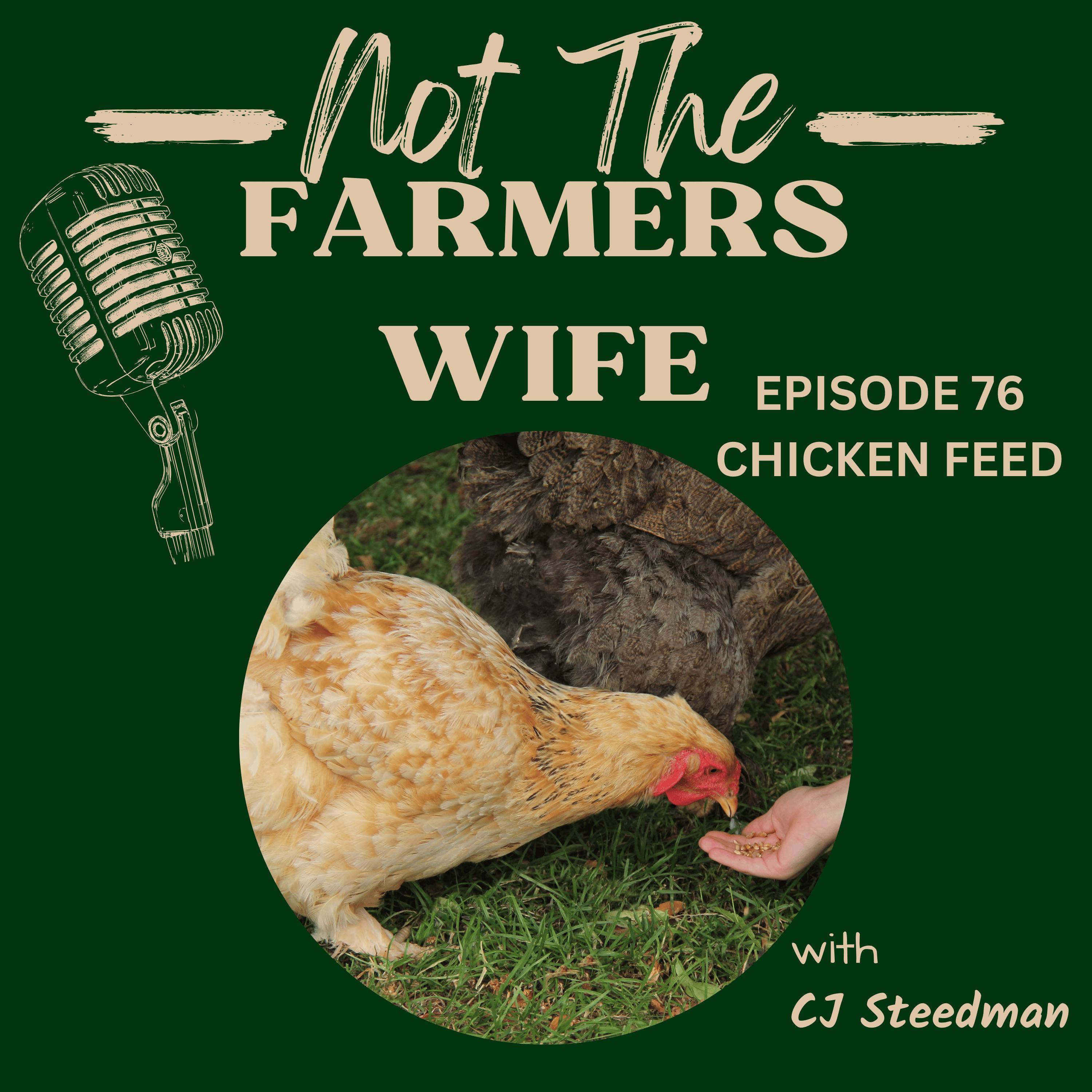
Chicken Feed E76
Waitlist www.mojohomestead.net/waitlist
Are you interested in a meat bird course? Let me know
The best diet for backyard or pasture-raised chickens should be well-balanced and nutritionally complete to ensure optimal health, egg production, and overall well-being. Here are the key components of an ideal diet:
High-Quality Commercial Feed
- Starter Feed: Provide a high-protein starter feed for chicks up to 6 weeks old (18-20% protein).
- Grower Feed: For pullets (young hens) from 6 to 20 weeks, switch to a grower feed with slightly lower protein (16-18%).
- Layer Feed: For hens that are laying eggs, use a layer feed with 16-18% protein and added calcium to support eggshell formation.
Free-Range Foraging
- Greens: Allow chickens to forage for grasses, weeds, and leafy greens, which provide vitamins and minerals.
- Insects and Worms: Chickens naturally eat insects and worms, which are excellent protein sources and help reduce feed costs.
- Grains and Seeds: Scattered grains and seeds (e.g., wheat, oats, barley) can supplement their diet and encourage natural foraging behaviour.
Supplements and Treats
- Calcium: Provide oyster shells or crushed eggshells for calcium to support strong eggshells.
- Grit: Offer grit (small stones) to aid digestion, as chickens need it to grind food in their gizzards.
- Vegetable Scraps: Offer kitchen scraps like vegetable peels and fruit, but avoid toxic foods like avocado, green potato skins, and chocolate. Do your research and make your own decisions about what you want to feed your chickens. There is a lot of conflicting information.
Fresh Water
- Ensure constant access to clean, fresh water. Hydration is crucial for digestion, egg production, and overall health.
Balanced Nutrition
- Proteins: Necessary for growth, egg production, and feather health. Protein can be found in commercial feed, insects, and legumes.
- Carbohydrates: Provide energy, found in grains and seeds.
- Fats: Important for energy and nutrient absorption, found in commercial feed and certain seeds.
- Vitamins and Minerals: Crucial for overall health, provided through a varied diet of commercial feed, greens, and supplements.
Seasonal Adjustments
- Winter: Increase energy-rich foods like grains and consider adding more protein to help maintain body heat.
- Summer: Ensure plenty of fresh water and provide shade to prevent overheating. Offer watery treats like cucumber and watermelon.
Ensuring a well-balanced diet with these components helps maintain the health and productivity of backyard or pasture-raised chickens. Regular monitoring and adjustments based on the specific needs of your flock and environmental conditions are also important.
Get every episode summarized
Each time Ditch The Store publishes, we email you a written briefing from the transcript — the topics, who appeared, and any specific claims, with the ad reads skipped.
Email me new episodesFree for 3 shows. No card needed.
Hosts & guests
No transcript yet
This episode has not been transcribed. Request it and it moves to the front of the queue.
More episodes
More from Ditch The Store

Episode 178 - Why Most People Never Start
Ditch The Store

Episode 177 - Eggs Without Cartons The Book
Ditch The Store

Episode 176 - Your Spring Ditch The Store Plan
Ditch The Store

Episode 175 - The Best $25 You'll Spend in Your Garden
Ditch The Store