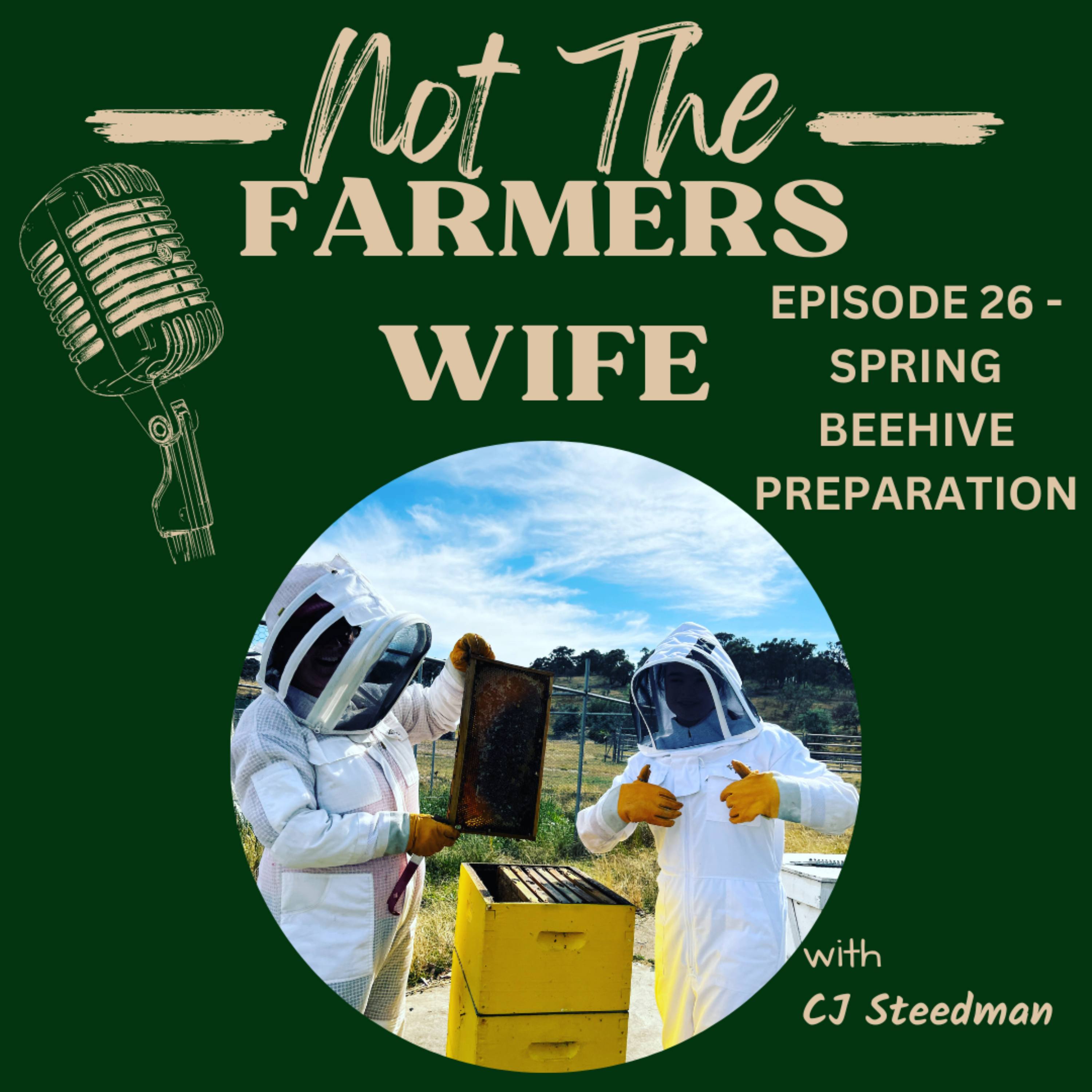
About this episode
Spring Bee Preparation
Cleaning and Inspecting Beehives and Equipment
- Thoroughly clean beehives and equipment from the previous season.
- Remove any debris, dead bees, and mold.
- Inspect frames, foundation, and boxes for damage or wear.
- Ensure hive components are in good condition.
Ordering New Bees or Queen Bees
- Assess the strength and health of existing colonies.
- Determine if any colonies need replacement or supplementation.
- Order new package bees or queen bees from reputable sources if needed.
- Coordinate delivery dates and prepare equipment for new arrivals.
Providing Supplemental Feeding
- Check stored honey reserves in hives to gauge food availability.
- If food supplies are low, provide supplemental feeding with sugar syrup or fondant.
- Monitor feed consumption and adjust as necessary.
Setting Up or Repairing Bee Yard Infrastructure
- Repair or build new hive stands, platforms, and shelters as needed.
- Ensure proper spacing between hives to prevent overcrowding and improve airflow.
- Ensure hives are positioned to receive optimal sunlight and protection from wind.
Planning for Swarm Prevention and Management
- Inspect hives for signs of overcrowding and swarm preparations.
- Perform early-season hive manipulations to reduce swarming tendencies.
- Provide adequate space for colony expansion by adding supers.
- Monitor hive population and queen performance closely.
Reviewing and Updating Beekeeping Records
- Update hive inspection records with observations, treatments, and actions taken.
- Record any changes in hive health, behavior, or productivity.
- Review previous years' records to identify trends and make informed decisions.
Researching Local Regulations and Permits
- Review local zoning laws and regulations related to beekeeping.
- Check if permits are required for beekeeping in your area.
- Ensure compliance with any beekeeping ordinances or restrictions.
Additional Spring Considerations
- Attend local beekeeping workshops or meetings to stay informed about best practices.
- Monitor for signs of diseases and pests, and take appropriate measures if needed.
- Prepare for potential fluctuations in weather conditions and nectar flows.
- Assemble necessary tools and materials for the upcoming season, such as protective gear, beekeeping tools, and medications.
Remember, beekeeping practices can vary based on regional differences, climate, and individual beekeeping goals. It's important to adapt these tasks to your specific situation and consult with local beekeeping experts if needed.
Get every episode summarized
Each time Ditch The Store publishes, we email you a written briefing from the transcript — the topics, who appeared, and any specific claims, with the ad reads skipped.
Email me new episodesFree for 3 shows. No card needed.
Hosts & guests
No transcript yet
This episode has not been transcribed. Request it and it moves to the front of the queue.
More episodes
More from Ditch The Store

Episode 178 - Why Most People Never Start
Ditch The Store

Episode 177 - Eggs Without Cartons The Book
Ditch The Store

Episode 176 - Your Spring Ditch The Store Plan
Ditch The Store

Episode 175 - The Best $25 You'll Spend in Your Garden
Ditch The Store