About this episode
Looking for protein an turning to eggs? How many eggs is too many? Cardiologist and epidemiologist Dr. Christopher Labos explains why there is not a magic number.
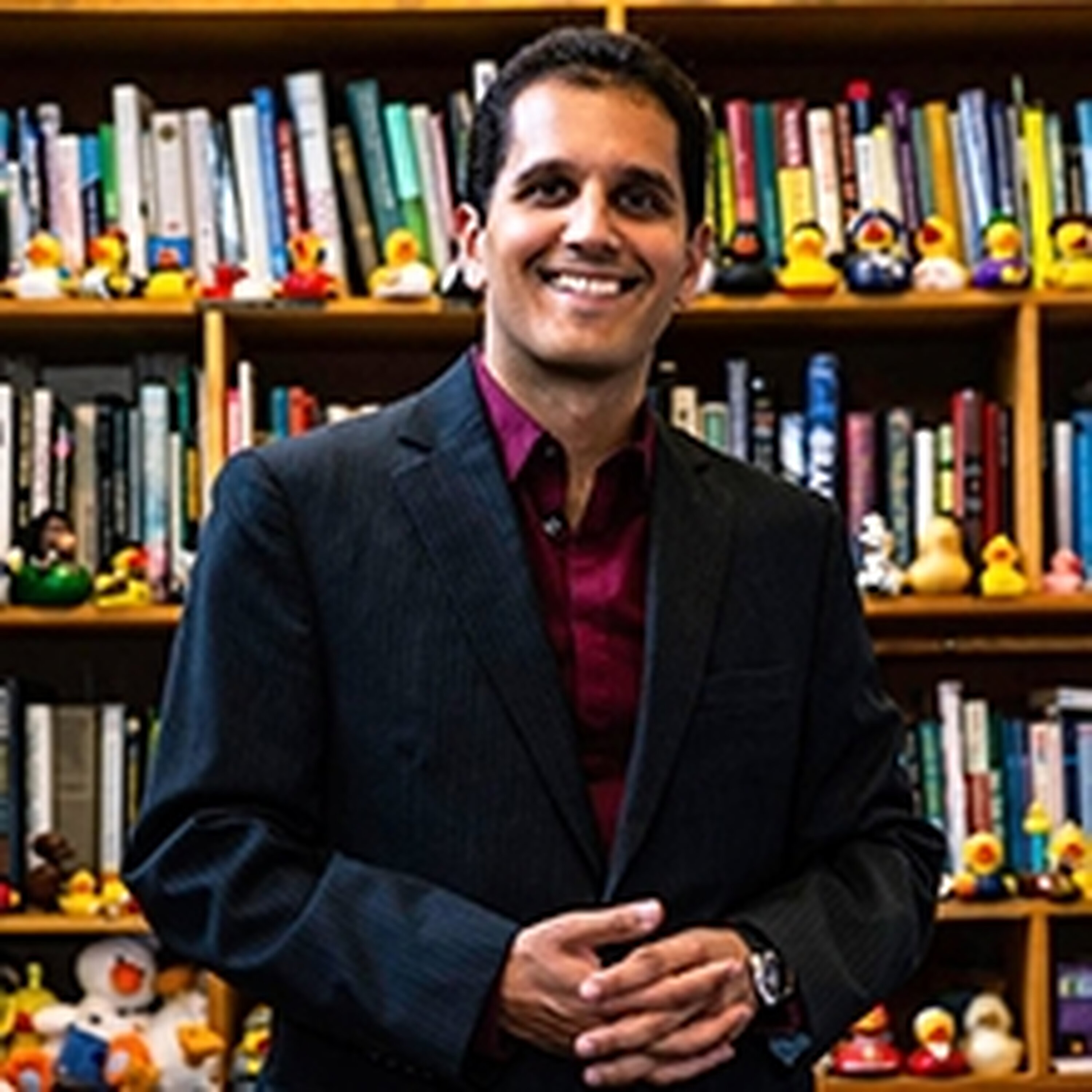
Dr. Chris Labos, cardiologist with a degree in epidemiology and a regular contributor on CJAD 800. You can hear him every Sunday on Weekends with Joanne Vrakas at 7:20 a.m.
Get every episode summarized
Each time Weekends with Joanne Vrakas publishes, we email you a written briefing from the transcript — the topics, who appeared, and any specific claims, with the ad reads skipped.
Email me new episodesFree for 3 shows. No card needed.
Hosts & guests
Transcript ready
133 searchable segments. Every word is indexed and playable.
Full transcript
Weekends with Joanne Vrakas — Dr. Labos: Is it possible to eat too many eggs?. Machine-transcribed; use the interactive transcript above to jump the player to any line.
When life gets unpredictable, preparation matters. In medicine, it's all about staying alert. Ready for whatever comes through the door. On the road, it's no different. That's why Volvo designs vehicles to help anticipate risk, reduce harm and protect lives. The Volvo XC90's advanced safety systems inspire confident decisions wherever the road takes you. The Volvo XC90 for life. Proud sponsor of the Pit Podcast. Learn more at VolvoCars.ca-safety. Well, if you're anything like me, you've been looking to get a bit more protein in your diet. So what do you do? Many of us think, well, I'll turn to eggs. They're plenty full. They're not as expensive as they once were. But are they bad for you? I'm old enough to remember a bit of a smear campaign against eggs. People saying that they were not good for you. That they were chock full of problems. How many eggs is too many eggs? Dr. Christopher Labos joins us as he does every Sunday on weekends. With some of the answers to those questions, Dr. Labos, good morning.
Good morning, good morning. Okay, so you've written about this extensively. You know about this. I'm not, I didn't imagine this. There was a smear campaign against eggs at some point. Yeah, I mean, there was a time when there were very, very strong recommendations to avoid eggs. I have a friend of mine who basically never ate eggs as a child because her father, a cardiologist, ironically, didn't want to give his kids cholesterol and never let them eat eggs as children. And she only started eating eggs as an adult, once sort of the science on this issue shifted. So the issue would be good and good source of protein, but the problem was the cholesterol factor. Can you explain what they thought versus what we know now? Yeah, so to understand this, you really have to remember the context of the 1980s, where over the second half of the 20th century, people were seeing this rather dramatic rise in heart disease. And people were trying to figure out a reason or trying to figure out a way to do something about it. Now in retrospect, I think there's a better understanding
that the reason why heart disease rates went up was because life expectancy went up. The minute you have antibiotics, which really only came into widespread use immediately after World War II, people stopped dying of pneumonia, people stopped dying of infectious diseases. So because people were now able, were no longer dying of acute conditions, they were now dying of chronic conditions, meaning that they were living long enough to actually have heart attacks. Right, that makes sense. So basically, people looked to the one thing that they could really have some degree of control over, which was cholesterol, because, you know, there was a vague understanding that cholesterol was involved in heart disease, people looked around at what people were eating, and basically they said, okay, well, let's tell people to eat fewer eggs. They'll consume fewer cholesterol. That will probably have some impact on heart disease rates. So it was really, that was sort of the origin of where this whole thing about eggs and cholesterol and heart attacks came from. Okay, so they were looking to, I guess, diet in this case linked to cholesterol. And what do we know now about egg consumption?
First of all, is it a great source of protein? Yeah, I mean, it's, you know, reasonable enough. I mean, here's the thing about protein though, even though everybody's talking about protein now, nobody in North America is protein deficient. Right? So nobody listening to us right now has to go out and eat more protein. We all, most of us already eat more than the recommended amount of protein as it is. So is it a good source of protein? Yes. Is it something you need to worry about? No. I think what's really shifted in our understanding is that, yes, eggs are a source of cholesterol, that is true. Most of us get, get the majority of our cholesterol from meat, not from eggs. That's actually a higher source of cholesterol for most people, but eggs are a source of cholesterol, obviously. What's happened though, is I think there's an understanding that for most people, dietary cholesterol is maybe less important than the cholesterol that is synthesized inside of your body. Okay. So what matters more is the cholesterol level in your blood, not the cholesterol in your diet. And so that's plus the advent of the newer cholesterol medications
that have been developed over the past 20 years, well, 30 years at this point. There's a much more sort of nuance understanding of cholesterol and much more that we can do about it. So telling people to eat fewer eggs, yes, it will reduce your dietary cholesterol, but it probably won't have that much of an impact on your serum cholesterol, the cholesterol in your blood, because we can impact that in much more substantial ways with the medications that we have. So there is no magic number per se of how many eggs you should eat per day or per week, or is there, am I wrong? No, there really isn't. I mean, if you want to eat eggs you can. If you don't want to eat eggs, you don't have to. It's not going to make a big difference in your diet overall. You know, certainly if you start taking things to extremes, that's probably an issue. I don't know that I would have a 4-A conflict for breakfast every morning. But you know, it's not, we don't have to worry about it as much as we previously did, because now we can measure cholesterol in a much more nuanced way. We can measure particle numbers. There's a lot of different forms of cholesterol beyond simply the good and bad times,
but it's much more relevant than the number of the amount in your blood. And that is obviously you're only going to be able to check that with blood tests. It's not a counting calories, counting eggs, type of thing in your diet. And it's so interesting because you just mentioned the protein part of it that nobody is protein deficient, which I think is going to be the topic of our next chat, because everyone's talking about protein everywhere I go. Dr. Christopher Labos cardiologist, epidemiologist, also author of the book Does Coffee Cause Cancer? It doesn't. But there's also, he talks about all sorts of other great health myths. He's a mythbuster. Dr. Labos, thank you so much for taking the time. My pleasure, you take care. Hello Canada. This is Brian Adams Radio. Hosted by Brian Adams himself. We'll play a few of mine, a ton of my favorites, and some must hear behind-the-scenes stories from the world of rock and roll. I'm coming to get you! One thing I'm about to do rock and roll so long is you end up meeting a lot of the people that you admire. Sometimes you even get to work with them.
Brian Adams Radio. Now available on the Free Eye Heart Radio app. Everybody, how are you tonight? Sounds great!
More episodes
More from Weekends with Joanne Vrakas

How did the White House Correspondents' Dinner shooter breach security?
Weekends with Joanne Vrakas

From spaghetti fries to cheesecake bites: Here are the hottest Montreal restaura...
Weekends with Joanne Vrakas

Dr. Labos: Are injectable peptides just a cash grab?
Weekends with Joanne Vrakas

Carney has called Canada's trade relationship with U.S. a 'weakness.' How could...
Weekends with Joanne Vrakas