Loading...
educationJun 26, 202621:05pending
Course 37 - Building Web Apps with Ruby On Rails | Episode 13: From Initial Setup to Advanced UI Interaction
About this episode
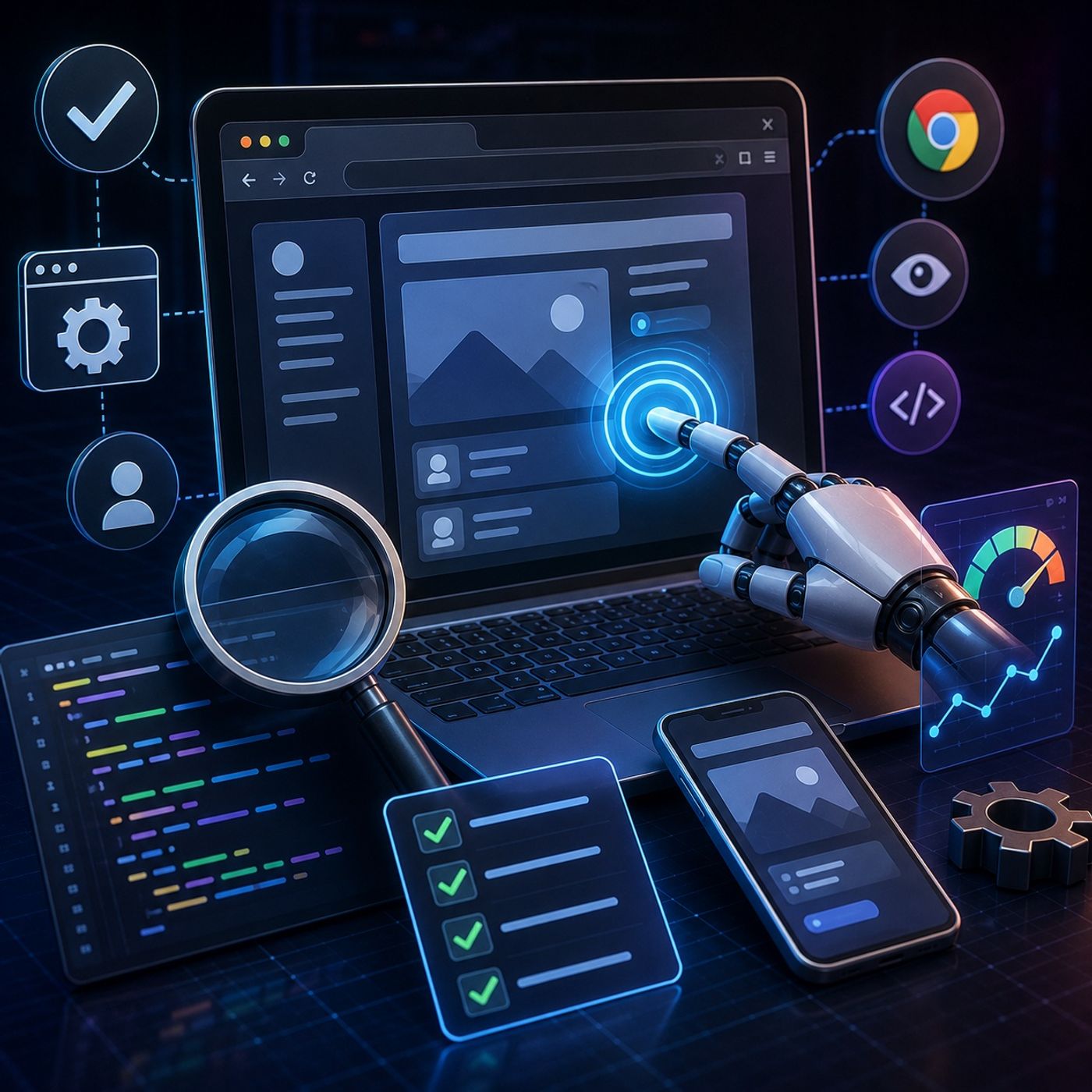
In this lesson, you’ll learn about: system (end-to-end) testing in Ruby on Rails, simulating real browser interactions and validating full user experience1. What Is System (End-to-End) Testing?Using Ruby on Rails:🔹 Definition:
System tests replicate real user behavior, including clicks and form inputs2. Testing Infrastructure Setup🔹 Core tools:
System testing requires a real browser automation stack3. Simulating User Behavior🔹 Common actions:
Tests should mimic real user actions step by step4. Locators vs CSS Selectors🔹 Locators:
Scoped interactions prevent targeting the wrong elements5. Testing Dynamic UI Features🔹 Examples:
Use generic selectors to keep tests maintainable6. Handling Asynchronous Behavior🔹 Problem:
Waiting ensures tests don’t fail بسبب timing issues7. Debugging Tools🔹 Techniques:
Visual debugging is critical in system testing8. Testing Responsive Design🔹 Approach:
System tests should reflect real device experiences9. Performance & Workflow Optimization🔹 Tools:
Efficient data handling speeds up large test suites10. Building a Future-Proof Test Suite🔹 Principles:
Maintainability is as important as test coverageKey Takeaways
👉 Detect UI and interaction bugs
👉 Ensure frontend and backend work seamlesslyMental ModelLaunch browser → simulate user actions → interact with UI → wait for responses → verify results → debug visually → optimize tests
You can listen and download our episodes for free on more than 10 different platforms:
https://linktr.ee/cybercode_academy
- Tests the application through a real browser
- Unit → single component
- Integration → backend flow
- System → full user experience (UI + backend)
System tests replicate real user behavior, including clicks and form inputs2. Testing Infrastructure Setup🔹 Core tools:
- Capybara
- Selenium
- Chrome WebDriver
- Install browser driver
- Configure system test environment
System testing requires a real browser automation stack3. Simulating User Behavior🔹 Common actions:
- click_on → simulate clicks
- fill_in → fill forms
Tests should mimic real user actions step by step4. Locators vs CSS Selectors🔹 Locators:
- Based on labels or text
- Target elements by class or structure
Scoped interactions prevent targeting the wrong elements5. Testing Dynamic UI Features🔹 Examples:
- Swipe cards
- Profile updates
- Interactive components
- Avoid tight coupling to frameworks like Vue.js
Use generic selectors to keep tests maintainable6. Handling Asynchronous Behavior🔹 Problem:
- JavaScript loads asynchronously
- Use wait mechanisms
Waiting ensures tests don’t fail بسبب timing issues7. Debugging Tools🔹 Techniques:
- Take screenshots on failure
- Inspect rendered HTML
- Adjust timing
- Easier root-cause analysis
Visual debugging is critical in system testing8. Testing Responsive Design🔹 Approach:
- Change browser resolution
- Validate mobile-first layouts
System tests should reflect real device experiences9. Performance & Workflow Optimization🔹 Tools:
- Fixtures (static data)
- Factories (dynamic data)
- Parallel testing
Efficient data handling speeds up large test suites10. Building a Future-Proof Test Suite🔹 Principles:
- Decouple from frontend frameworks
- Use reusable test patterns
- Cover full workflows
Maintainability is as important as test coverageKey Takeaways
- System tests simulate real browser interactions
- Capybara and Selenium power UI testing
- Use scoped selectors for accuracy
- Handle async behavior with waits
- Keep tests flexible and framework-independent
👉 Detect UI and interaction bugs
👉 Ensure frontend and backend work seamlesslyMental ModelLaunch browser → simulate user actions → interact with UI → wait for responses → verify results → debug visually → optimize tests
You can listen and download our episodes for free on more than 10 different platforms:
https://linktr.ee/cybercode_academy
Hosts & guests
No transcript yet
This episode has not been transcribed. Request it and it moves to the front of the queue.
More episodes


