About this episode
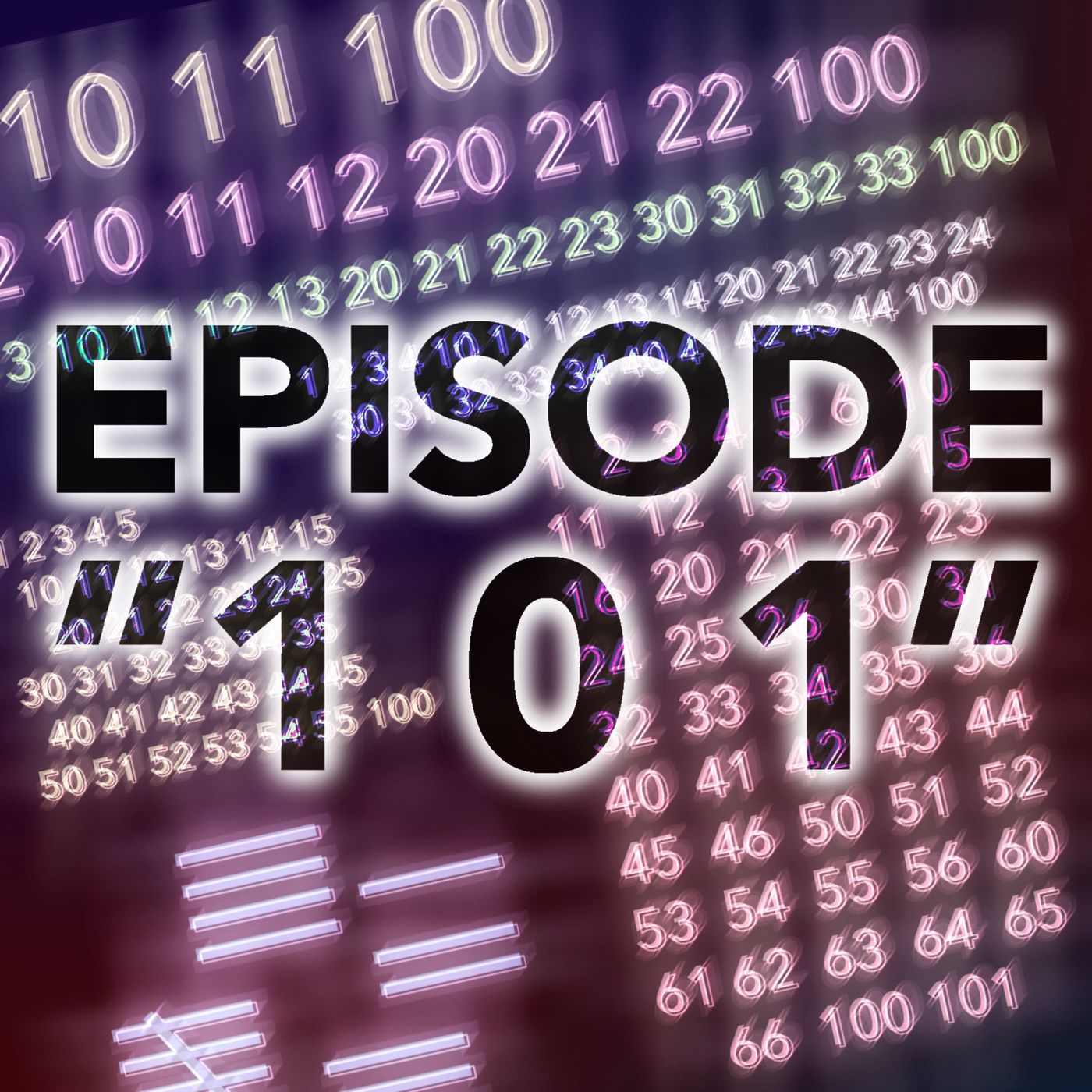
Numbering was originally done with tally marks: the number of tally marks indicated the number of items being counted, and they were grouped together by fives. A little later, people wrote numbers down by chunking the number in a similar way into larger numbers: there were symbols for ten, ten times that, and so forth, for example, in ancient Egypt; and we are all familiar with the Is, Vs, Xs, Ls, Cs, and Ds, at least, of Roman numerals. However, over time, several peoples, including the Inuit, Indians, Sumerians, and Mayans, had figured out how to chunk numbers indefinitely, and make numbers to count seemingly uncountable quantities using the mind, and write them down in a few easily mastered motions. These are known as place-value systems, and the study of bases has its root in them: talking about bases helps us talk about what is happening when we use these magical symbols.
Get every episode summarized
Each time Breaking Math Podcast publishes, we email you a written briefing from the transcript — the topics, who appeared, and any specific claims, with the ad reads skipped.
Email me new episodesFree for 3 shows. No card needed.
Hosts & guests
No transcript yet
This episode has not been transcribed. Request it and it moves to the front of the queue.
More episodes
More from Breaking Math Podcast

How Ransomware Became a Global Industry with Anja Shortland on Dark Screens
Breaking Math Podcast
Explaining Huge Numbers with Richard Elwes
Breaking Math Podcast
AI Isn’t Replacing You—It’s Changing the Rules with Sheamus McGovern
Breaking Math Podcast

Math and Magic with Matt Baker
Breaking Math Podcast