About this episode
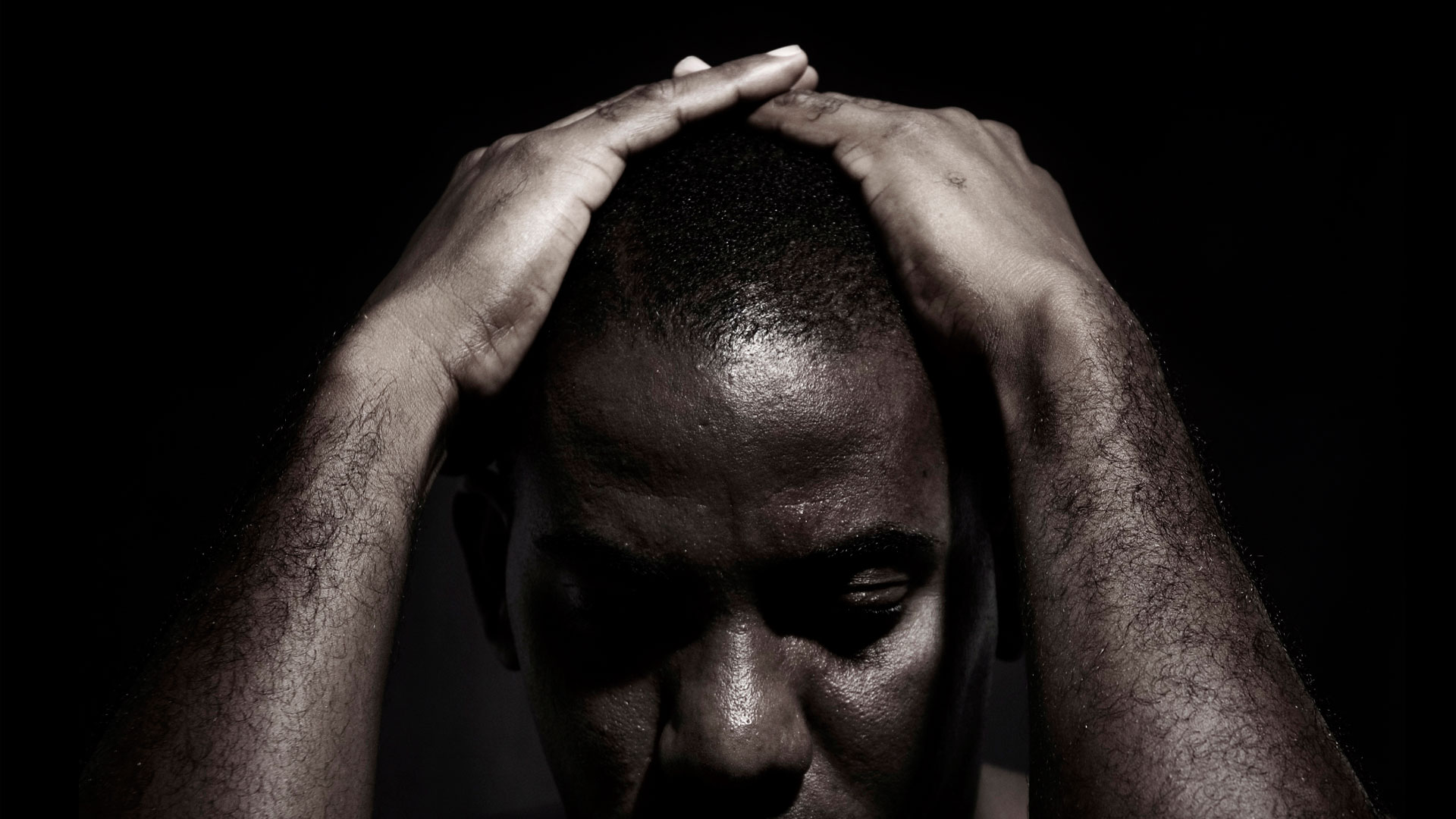
If God is so good and powerful, why is there so much evil in our world? Although you might retort, "It's because humanity fell into sin and we are all suffering the consequences." Such an answer merely pushes the question back one step, since God is the one who determined just how fallen our world would become once sin entered the picture. Why doesn't he allow more suffering or less? What are his aims in having the world be how it actually is? Why doesn't he intervene more to stop harm? Brandon Duke has wrestled with this question extensively and today he'll provide a lay of the land to help you think through the issue. He breaks up the problem into three categories (1) human evil, (2) natural suffering, and (3) God's hiddenness. Today he'll cover a number of presuppositions about God's knowledge that play into how we approach evil as well as what God's objectives are that he ultimately will bring to pass.
Here is the full John Hick quote that Duke paraphrased in this episode:
"We can imagine a paradise in which no one can ever come to any harm. Instead of having its own fixed structure, the world would be plastic to human wishes. Or perhaps the world would have a fixed structure, and hence the possibility of damage and pain, but a structure that is whenever necessary suspended or adjusted by special divine action to avoid human pain. Thus, for example, in such a miraculously pain-free world, one who falls accidentally from a high building would presumably float unharmed to the ground; bullets would become insubstantial when fired at a human body; poison would cease to be poison; water to drown, and so on. We can at least begin to imagine such a world, but... a world in which there can be no pain or suffering would also be one without moral choices and hence no possibility of moral growth and development. For in a situation in which no one can ever suffer injury or be liable to pain or suffering, no distinction would exist between right and wrong action. No action would be morally wrong, because no actions could ever have harmful consequences; likewise, no action would be morally right in contrast to wrong. Whatever the values of such a world, its structure would not serve the purpose of allowing its inhabitants to develop from self regarding animality to self giving love."
—— Books——
- God and the Problem of Evil: Five Views by Chad Meister, James Dew Jr.
- Divine Foreknowledge: Four Views by Gregory Boyd, David Hunt, William Craig, Paul Helm
- The Triumph of God over Evil by William Hasker
- Four Views on Divine Providence by Paul Helseth, William Craig, Ron Highfield, Gregory Boyd
- Divine Hiddenness: New Essays by Daniel Howard-Snyder, Paul Moser
—— Links ——
- Get in touch with Brandon Duke on his website: TruthBorn
- Check out Duke's videos at the Unitarian Christian Alliance YouTube Channel
- Watch Duke's Trinity debate
- Also check out this six part series on various theories of divine foreknowledge, including Calvinism, Arminianism, and Open Theism.
- More episodes and posts about the problem of evil and suffering
- If you’d like to support Restitutio, you can donate here.
- Intro music: Good V
Get every episode summarized
Each time Restitutio publishes, we email you a written briefing from the transcript — the topics, who appeared, and any specific claims, with the ad reads skipped.
Email me new episodesFree for 3 shows. No card needed.
Hosts & guests
No transcript yet
This episode has not been transcribed. Request it and it moves to the front of the queue.
More episodes
More from Restitutio
668. How I Got Clean from Heroin and Found God (Jody Rodriguez)
Restitutio
667. How God Healed Me from the Shame of Prostitution (Mina Hacker)
Restitutio
666. I Quit Weed and Video Games to Serve God (Jeremy Martin)
Restitutio
665. Why I’m Starting a Church in Texas (Alex Ticer)
Restitutio